
 E-Paper



MCG charts April 2026 deadline for comprehensive sewerage overhaul in Gurugram
Commissioner Dahiya directed all engineering officials to ensure that both short-term relief measures and long-term solutions are carried out.


The Municipal Corporation of Gurugram (MCG) has unveiled a comprehensive action plan to permanently fix sewage-related issues across the city by April 2026. The decision was taken during a high-level review meeting of the Sewerage Monitoring Cell chaired by MCG Commissioner Pradeep Dahiya on Thursday, said officials familiar with the matter.
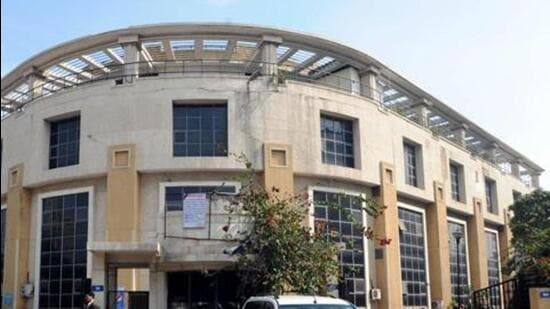
The meeting involved a detailed assessment of sewerage infrastructure across more than 40 locations within the MCG limits. Commissioner Dahiya directed all engineering officials to ensure that both short-term relief measures and long-term solutions are carried out. “Until permanent solutions are in place, no lapses will be tolerated in providing temporary relief to residents,” asserted Dahiya.
Focus on core urban areas and peripheral villages
Special emphasis is being laid on the villages within MCG jurisdiction that have faced chronic sewerage failures. These include Basai, Naharpur Rupa, Khandsa, Kadi Pur, Jharsa, Tigra, Ghata, Chakkarpur, Kanhai, Mohammadpur Jharsa, Narsinghpur, Begumpur Khatola, and Bandhwari.
Additionally, several urban and resettlement colonies like Rajendra Park, Om Nagar, Shanti Nagar, Heera Nagar, Shivji Park, Laxmi Garden, Jacobpura, Sushant Lok C Block, Indira Colony, Sector 57 (G Block), sectors 42, 43, 40, Mohiyal Colony, Sector 10, Saraswati Enclave, Shakti Park, and the Kadi Pur industrial zone were identified for urgent interventions.
Dahiya instructed field engineers to ensure that sewer lines in all these areas are desilted and functional. In locations where existing infrastructure has collapsed or is inadequate, engineers have been directed to prepare estimates for laying new pipelines and initiate the tender process without delay.
“The goal is to eliminate incidents of sewage overflow, waterlogging, and pipeline backflow by the end of the next financial year,” said Dahiya.
Crackdown on illegal sewer connections
A week-long special drive has also been announced to identify and remove unauthorised sewer connections, particularly from commercial and industrial units. The drive will start on Monday. After the campaign, designated engineers must submit written certification confirming that no illegal connections remain in their respective zones.
To ensure progress and accountability, the MCG has decided to hold review meetings of the Sewerage Monitoring Cell every 15 days. “Officers found delaying projects or showing negligence in sewerage-related tasks will face disciplinary action,” said Dahiya.
Sewerage network to be digitally mapped
Commissioner Dahiya also ordered that all assistant and junior engineers undertake (Geographic Information System) GIS-based digital mapping of the sewer and drainage networks in their areas. These maps will include key information such as connection points to master lines, pipeline material, capacity, and disposal sites. Ground verification of this data is to be done personally by the engineers.
The move is part of MCG’s broader goal to improve core urban infrastructure and deliver efficient civic services in one of India’s fastest-growing cities.


