E-Paper



Odisha withdraws bill that exempts land acquisition from social impact assessment
The bill would have waived off the necessity of doing social impact assessment studies and public hearing for projects vital to national security or defence of the country, infrastructure projects

 Prefer HTon Google


Odisha chief minister Naveen Patnaik-led state government on Friday withdrew the bill to amend the Right to Fair Compensation and Transparency in Land Acquisition, Rehabilitation and Resettlement Act 2013, nine days after tabling it.
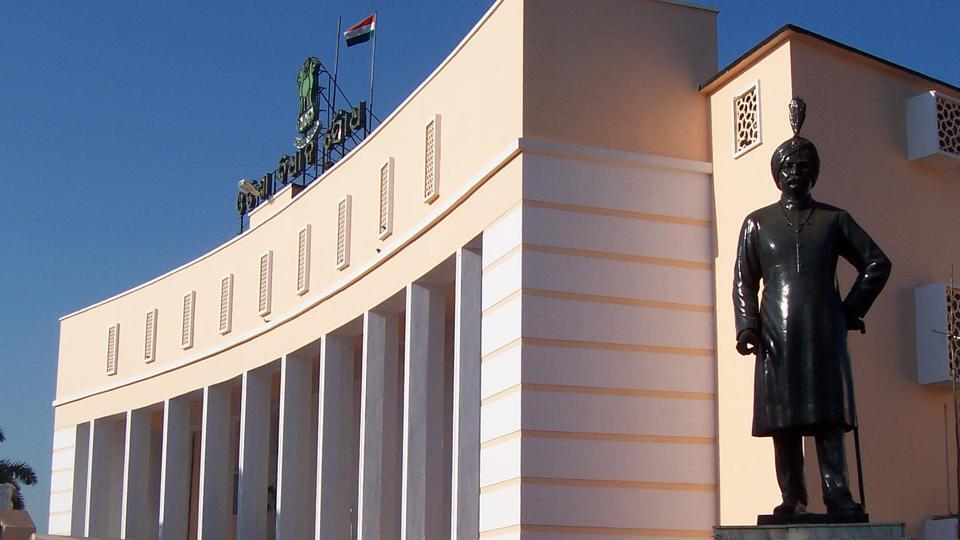
The bill would have waived off the necessity of doing social impact assessment studies and public hearing for projects vital to national security or defence of the country, infrastructure projects including educational institutions, health infrastructure, government offices, electrification, irrigation projects, housing and drinking water projects.
Revenue minister Pramila Mallick, who had tabled the bill on March 22, said it has been withdrawn but she did not give any reasons behind the decision.
Also Read: Odisha bill seeks to exempt land acquisition from social impact assessment
The bill placed in the state assembly had sought to waive off social impact assessment, one of the key provisions of the central act.
The government had earlier said the amendment was necessary as providing land to the project proponent in a hassle-free way is one of the basic requirements for industrial and infrastructure developments in the state.
The social impact assessment, a key provision of the central act reveals whether the project serves public purpose, the extent of land required is the bare minimum and the present location has been identified after due consideration of alternative sites and the effect of the cumulative cost of mitigating adverse social impacts on the total project cost compared to the benefits of the project.
After the study is conducted, a public hearing is organised to share the draft SIA report and Social Impact mitigation plan in the gram sabha of affected villages. The views of the affected families are then incorporated in the final report.
Apart from doing away with social impact assessment studies, the amendment waived off the earlier bar in acquiring irrigated multi-cropped land for projects vital to national security or defence of the country, infrastructure projects including educational institutions, health infrastructure, government offices, electrification, irrigation projects and industrial corridors set up by the state government.
In 2016, Gujarat brought in the amendment, followed by Andhra Pradesh and Telangana in 2017, Maharashtra and Jharkhand in 2018.
Apart from this bill, the state government also withdrew the Odisha Apartment (Ownership & Management) Bill, 2023 that would have made the state compliant to Real Estate Regulatory Authority Act 2016.
Had the amendment been passed, Odisha would have been the first state in the country to bring an Apartment Ownership Act in compliance with the norms of the Real Estate (Regulation and Development) Act, 2016.
The amendment had the provision that every builder is supposed to handover all original documents related to the project, lease certificate, approved plans, as-is building plans, statutory compliance certificates, insurance documents, encumbrance documents, completed diagram of wiring, complete plumbing layout, equipment purchase documents, annual maintenance charge documents and any other documents related to the project to the association of allottees within 30 days of issue of occupancy certificate.
It also had the provision that a builder had to rectify any structural defect or any other defect in workmanship, quality or provision of services or any other obligations without further charge, within a period of 5 years from handing over of the possession to the allottee.
The government had earlier told the Orissa high court that it was bringing an amendment to the act.
The government also withdrew the Odisha State Commission For Backward Classes (Amendment) Bill, 2023 for inclusion of 22 castes in the state list of Other Backward Classes (OBCs).
The state government had proposed amendment in Section 9 of the act to include caste name in the socially and educationally backward classes (SEBC) list. There are 22 castes and communities along with their synonyms, which have already been included in the list of OBCs for Odisha through various notifications of Centre from time to time, but the same caste and communities have not yet been included in the SEBC list of the state.
For enabling all social welfare measures and benefits to the people belonging to these backward classes in Odisha, an amendment was necessary in Odisha State Commission of Backward Classes Act 1993. These castes include Badhei, Bindhani, Baraji, Baroi, Sankhua Tanti, Gandhamali, Haladia Teli and Kalandi.
The withdrawal of the bill comes amid the state government decision to begin OBC census from April 1.