E-Paper



Odisha to hand over unused govt buildings, ponds to women self-help groups
Incidentally, the announcement has come about a week before the bypolls to the crucial Pipili assembly seat.


In more sops to the women self-help groups in Odisha, the Naveen Patnaik government on Thursday directed the district administrations to hand over unutilised government properties such as government building, shops, ponds to them so that they can use them.
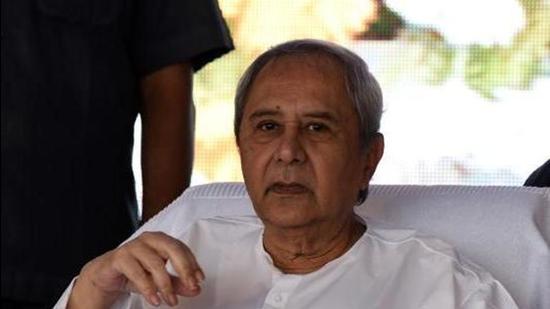
“All such unused government property in the block, panchayat and district levels should be handed over to the local Mission Shakti SHGs within two months. Once these assets are under the control of women SHGs, these groups will manage the unused property for the betterment of the locals and society,” said chief minister Naveen Patnaik.
Incidentally, the announcement has come about a week before the bypolls to the crucial Pipili assembly seat. Though the Biju Janata Dal (BJD) held the seat, the party is facing a tough fight from the Bharatiya Janata Party (BJP).
“The move to give more work to the SHGs would definitely add to their confidence and provide more money in their hands. It’s a concrete step towards women empowerment and in line with chief minister Naveen Patnaik’s faith in women of Odisha carving a separate niche in the society,” said Pratap Deb, BJD spokesman.
Though the women SHGs existed in Odisha in the 90s, they got a separate identity when the BJD, under chief minister Naveen Patnaik, rode to power in 2000. A year after becoming the CM, Patnaik started the Mission Shakti programme and began the formation of these SHGs. The self-help groups were started to organise women into groups for holistic empowerment and targeted livelihood activities. Today, there are a little over 6 lakh SHGs in Odisha under Mission Shakti with 70 lakh members.
These SHGs take loans from banks and provide small non-agricultural loans to their members at a high interest rate, make packaged ready-to-eat fortified power food for children in anganwadi centres and look after the mid-day meal schemes of state’s schools.
In 2020-21, at least 2 lakh SHGs were given credit linkages worth ₹3,411 crore. For SHG groups that take loans up to ₹3 lakh from banks and repay on time, the state government takes care of the interest payment. The government now plans to give interest-free loans, up to ₹5 lakh each, to these women SHGs instead of the current ₹3 lakh. The government is also planning to provide ₹50 lakh to each SHG federation in a block for the construction of special mission Shakti Griha.
Also Read: Negative RT-PCR report compulsory for people coming to Odisha
Apart from providing small loans to the members, these SHGs are also engaged in a variety of works, including the collection of power tariff from consumers. A little more than a year ago, the government tied up with e-commerce platforms Amazon and Flipkart to help the SHG members gain access to a bigger market. An exclusive Mission Shakti e-commerce portal is also being developed in collaboration with the Tata Trusts to market women SHGs products online. In May 2019, the Naveen Patnaik government approved the provisioning of services and goods for different government departments through Mission Shakti, which would provide direct business worth ₹1,000 crore to the SHGs every year.
The growth of SHGs in Odisha over the last 20 years is also matched by the rising participation of women in elections. In 2000, when Naveen Patnaik was first elected as the CM, only 55.6% of the women electorate cast their votes as against 63.8% of men voters. In 2019 polls, close to 75% of the women electorate exercised their franchise as opposed 71% men. Over the last several assembly polls, the BJD, backed by the women voters, has done well.
Last year during the Covid-19 pandemic, SHG groups in urban areas were engaged as implementing partners under the Urban Wage Employment Initiative. Apart from this, around 400 SHGs manufactured over 3.3 million masks for distribution among people last year. During the Covid-19 lockdown, when dry ration and vegetable shops were shut in rural Odisha, these groups distributed more than 9 million cooked meals through the free kitchen centres managed by them in Odisha’s gram panchayats.