
 E-Paper



Ozone pollution no longer just a summer phenomenon, says CSE study
The primary emission sources of ozone include those from vehicles, power plants, factories, and other combustion sources. These undergo cyclic reactions in the presence of sunlight to generate ground level ozone.

 Prefer HTon Google


Ozone pollution that was previously thought to be a summer phenomenon is becoming more widespread in Delhi and NCR cities such as Ghaziabad, Gurugram, Noida, Greater Noida, Faridabad and Meerut, a study by Centre for Science and Environment (CSE) said on Saturday. Ozone is a highly reactive gas and harmful for those suffering from respiratory conditions.
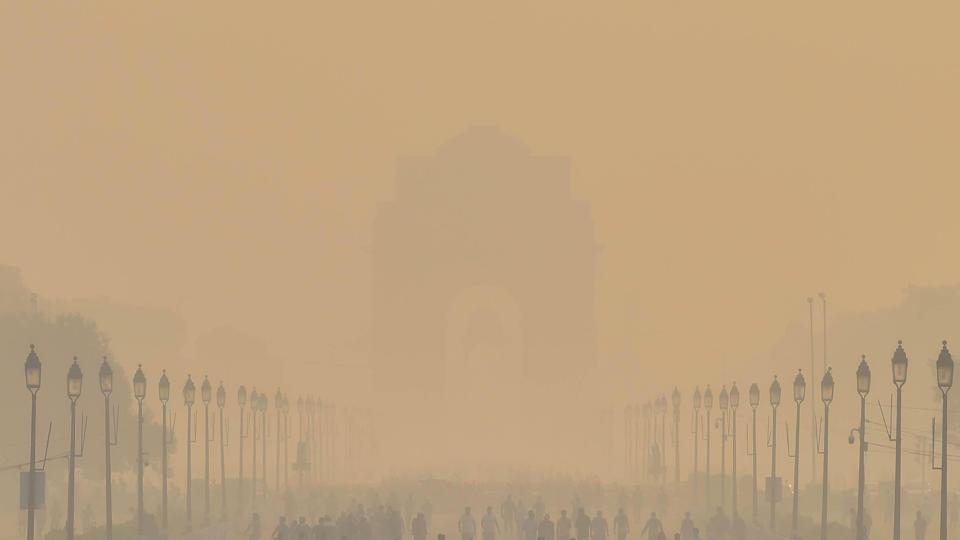
The study assessed trends during different seasons – summer (March-June), winter (October-February) and monsoon (July-September), between 2018 and 2021 (up to July 18). The analysis is based on the real-time (15-minute averages) data sourced from the Central Pollution Control Board (CPCB).
The primary emission sources of ozone include those from vehicles, power plants, factories, and other combustion sources. These undergo cyclic reactions in the presence of sunlight to generate ground level ozone.
According to the report, the trends were calculated in terms of number of days when the daily level exceeded the 8-hour standard. The national ambient air quality standard for ozone (8-hourly) is 100 µg/m3.
The report said the top 10 high-ozone locations include stations from south Delhi, where stations such as Dr KS Shooting Range (233 days), Siri Fort (150 days), Nehru Nagar (174 days), and Sri Aurobindo Marg (126 days) make up four of the top five most polluted spots in Delhi.
The study also points out that even during the lockdowns imposed during 2020-21, when the concentration of particulate matter in the air reduced, the ozone levels remained the same.
CSE executive director Anumita Roychowdhury said so far the focus has only been on mitigating particulate matter pollution, but ozone is now a round-the-year problem
Avikal Somvanshi from CSE said ozone levels have begun to rise even during winter, making the winter smog more toxic.


