
 E-Paper



PNN to use Gambusia fish to control mosquito breeding
The Nagar Nigam officials said preparations were being carried out to release 5 lakh Gambusia fish in ponds, drains and other water bodies in areas under jurisdiction of Nagar Nigam


Prayagraj Nagar Nigam (PNN) will release Gambusia fish in drains and other stagnant water bodies in the city to control mosquito larvae. Gambusia fish are known to eat mosquito larvae and control their breeding. The Nagar Nigam officials said that the fish will be brought from West Bengal and Budaun for the task.
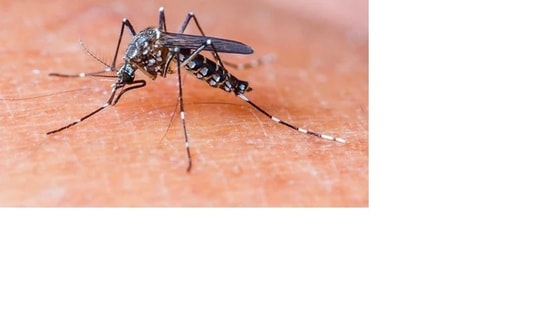
The Nagar Nigam is already using fogging and sprinkling of anti-larvae solution in the city to control breeding of mosquitoes.
The Nagar Nigam officials said preparations were being carried out to release 5 lakh Gambusia fish in ponds, drains and other water bodies in areas under jurisdiction of Nagar Nigam. Initially, the fish will be released in over three dozen ponds before starting of rains.
A list of such ponds and water bodies has been prepared.
Additional municipal commissioner Deependra Yadav said mosquitoes in large numbers are found at places with water bodies or at places affected with water logging problems. The fish will eat larvae and control their breeding.
Officials said that last year this fish was released in ponds at Phaphamau, Shantipuram, Morahu, Naini, Jhunsi, Khuldabad, Bamrauli, Mundera, Myor Road, Talab Naval Rai, Nagar Nigam headquarters, Chhetpur, Andawa, Katuhla, Gauspur and other places.
Gambusia fish are known to survive by eating mosquitoes and its larvae. The fish which is only few inches in size has a larger mouth which helps it in swallowing larvae back to back. It breeds at a faster rate and gives birth to 80 to 120 fry at a time. It can eat larvae 40 times of its own weight.


