
 E-Paper



Police book 23 for poaching birds at Nuh’s Kotla reservoir
The Kotla reservoir, though not a formally protected wildlife sanctuary, supports hundreds of migratory birds each year, including common teals, northern pintails, Eurasian coots, and wood sandpipers. Conservationists say these birds are vital to maintaining the health of local wetlands and ecosystems

 Prefer HTon Google


Gurugram: The Haryana government has cracked down on the illegal hunting of migratory birds at the Kotla reservoir in Nuh, with the state police registering a case against 23 people based on complaints filed by the wildlife department, officers said on Thursday.
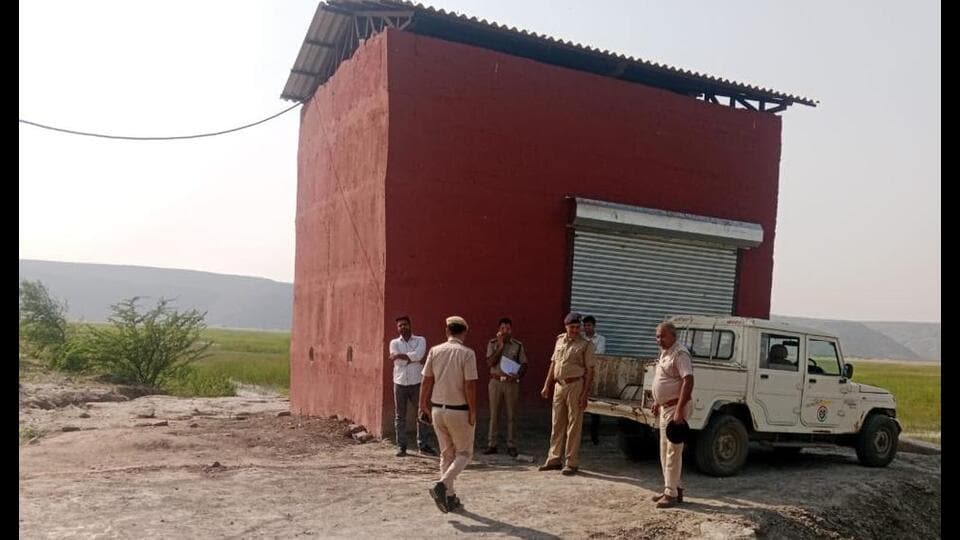
While no arrests have been made so far, officers said all accused are under surveillance and will be apprehended soon.
The Kotla reservoir, though not a formally protected wildlife sanctuary, supports hundreds of migratory birds each year, including common teals, northern pintails, Eurasian coots, and wood sandpipers. Conservationists say these birds are vital to maintaining the health of local wetlands and ecosystems.
The alarming extent of poaching in the area came to light after a local wildlife enthusiast alerted the Nuh district administration about suspicious activity around Kotla, as well as the Akera lake area. Acting swiftly, forest officials visited the site and discovered nets and signs of mass trapping operations, prompting them to lodge a police complaint.
Gurugram division divisional forest officer (DFO) RK Jangra said his team submitted a detailed report to police after confirming the presence of nets and identifying those involved. “We have deployed forest guards and outsourced staff for patrolling. Anyone found attempting to trap or harm birds will face strict legal action. We are treating this as a top-priority enforcement area,” he said.
HT on March 22 had reported about the alarming scale of bird poaching at Kotla, exposing how the reservoir has turned into a hunting ground for poachers. The report also looked at the growing black market trade of birds — where a single migratory bird can fetch anywhere between ₹500 to ₹900 — and highlighted the staff shortages in the forest department and a lack of enforcement.
On Wednesday, the Akera police registered a case against 23 people under sections 2, 9, 39, and 51 of the Wildlife (Protection) Act, 1972. Officers said many of the accused are repeat offenders who have been on their radar for several months, but admitted that they are yet to be caught due to the region’s challenging terrain and lack of surveillance infrastructure.
Wildlife inspector Rajendra Kumar, the complainant in the case, said, “Several bird species travel thousands of kilometres to reach Kotla and Akera wetlands for their seasonal migration. Unfortunately, this time coincides with the arrival of hunters who set up nets to trap them. Many of these birds are caught and sold in local markets.”
Haryana forest and wildlife minister Rao Narbir Singh said immediate measures are being taken to protect the migratory birds. “We are deploying additional range officers and planning more surprise inspections. Regular patrolling, strict enforcement, and local awareness will be the pillars of our protection strategy this season,” Singh told HT.
Police have also appealed to the public to report any suspicious activity involving wildlife or bird trapping. “This is a serious environmental crime. If anyone has information, they should contact us or the forest department immediately,” said Nuh superintendent of police Vijay Pratap Singh.
However, conservationists warn that poaching in Nuh is well-organised and deeply entrenched.
“This is not a one-off problem. Poaching has turned into a seasonal economy for many families, including minors. The entire community network needs to be engaged in order to curb it effectively,” said wildlife expert Anil Gandas, who has been tasked by the forest department with visiting Kotla twice a week.


