E-Paper



Revamp of state BJP imminent, strategy to be aligned with electoral challenges
While state presidents changed repeatedly over the past several years, faces in key organisational posts remained the same since 2010.

 Prefer HTon Google


After the much-awaited expansion of the Yogi Adityanath ministry 2.0, the state executive of the Bharatiya Janata Party (BJP) is headed for a revamp in the next few days.

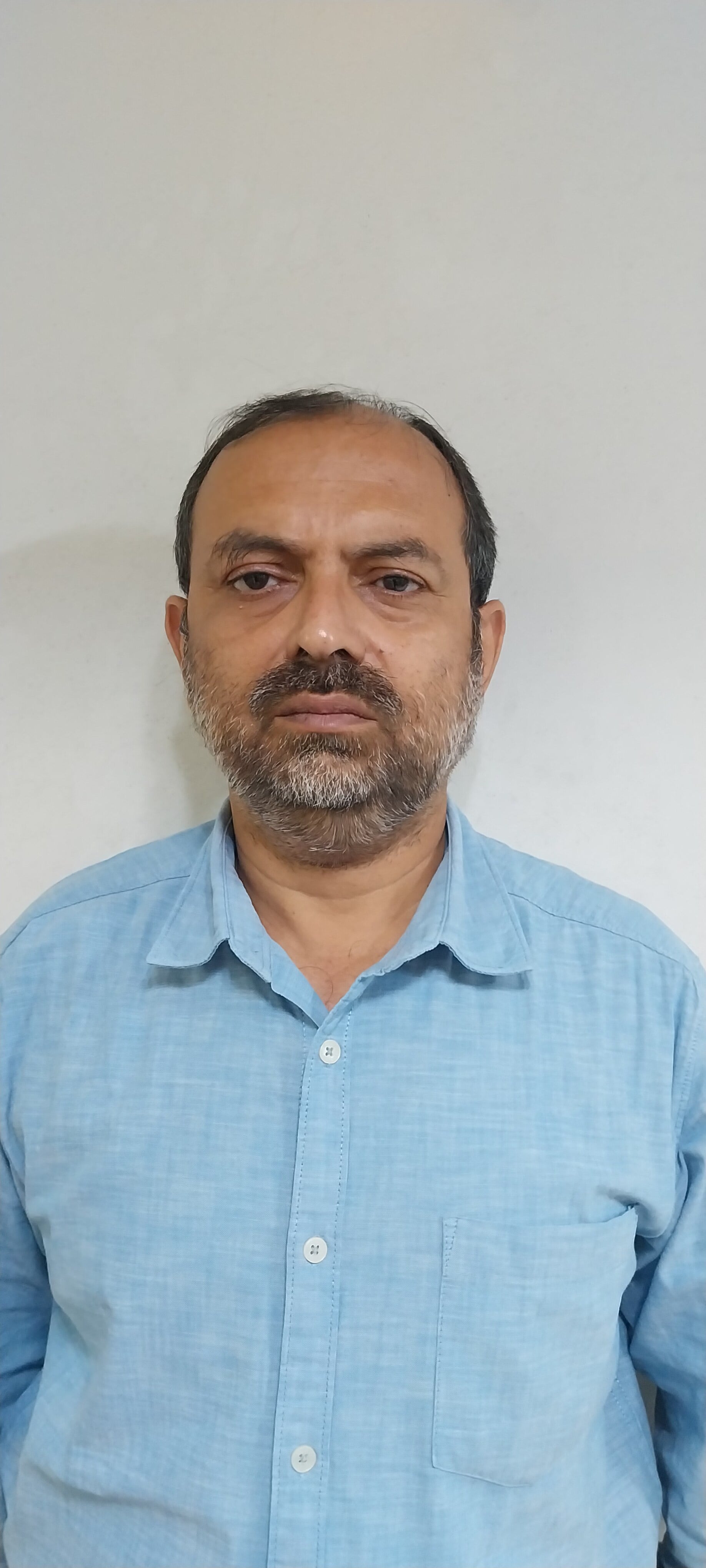
The fate of the current office bearers, along with those slated for prominent organisational roles, is understood to have been decided and state BJP president Pankaj Chaudhary has forwarded the proposed changes to the central leadership of the party for approval, according to BJP leaders.
Party insiders say Chaudhary is keen to shape his own team quickly to align organisational strategy with upcoming electoral challenges.
While state presidents changed repeatedly over the past several years, faces in key organisational posts remained the same since 2010..
The much-awaited expansion of the state cabinet and roll out of Chaudhary’s new team got delayed due to assembly polls in five states which concluded with the results on May 4.
While revamping the party’s state unit, the BJP will try to maintain regional balance and give more space to areas that lacked representation.
“Caste is another factor which has been given prominence in the new list of the party’s state organisation,” said a senior BJP leader.
Leaders indicated that those who have held positions for extended periods may be moved to other responsibilities, while new faces could be inducted to inject energy into the organisation.
According to sources, there is also a strong possibility that all six of the organisation’s regional presidents—representing the Kashi, Goraksh, Awadh, West, Braj, and Kanpur-Bundelkhand zones—will be replaced.
“The upcoming changes will not be cosmetic. These changes are aimed at strengthening the party’s grassroots presence,” a senior BJP leader said.
The BJP is seeking to consolidate its support among non-Yadav Other Backward Classes (OBCs), particularly in eastern Uttar Pradesh, where the party’s performance dipped in the 2024 Lok Sabha elections.
Party insiders acknowledge that a shift in support among Kurmis—considered the second most influential OBC group after Yadavs—affected outcomes in several constituencies. The community, which forms an estimated 7-8% of the state’s population, has a significant presence in eastern UP.
As one leader put it, “The next elections will be fought as much on organisational strength as on political narrative—and the party wants no gaps on that front.”
Several leaders have remained in organisational roles since the tenures of successive state presidents, including Surya Pratap Shahi, Laxmikant Bajpai, Keshav Prasad Maurya, Mahendra Nath Pandey and Swatantra Dev Singh.
Some have even become MLAs or MLCs but have retained organisational roles such as general secretary, vice-president, secretary or spokesperson.
Similarly, several office-bearers who were later elected to the Rajya Sabha, legislative assembly or legislative council have continued to hold key organisational posts.
“In some cases, old faces were recycled for important posts. This trend has affected the regional and social equilibrium within the party structure,” a senior BJP leader said.
Sources said districts such as Kanpur, Varanasi, Gorakhpur, and Sant Kabir Nagar have enjoyed disproportionately high representation within the organisation, while other regions have faced continued neglect.
However, several districts across the Kanpur-Bundelkhand, Braj, and Western Uttar Pradesh regions as well as parts of the Kashi and Awadh regions have failed to secure adequate representation.