
 E-Paper



Curtain Call: Introduce children to theatre early on!
Apart from inculcating a good culture early on, theatre also helps as a team activity, letting go of inhibitions and awkwardness and in certain cases theatre can also be used as therapy

 Prefer HTon Google


A friend called me sometime back and asked my review about the school I was in. He was asking as he wanted to admit his son to the school. I truly have some unforgettable memories of the place I was in for 12 years – both good and bad. I am sure everybody does of their school. But one thing that I realised while talking to him was that our school did not have an active theatre group back then. Of course, I do not know what the current situation is, and that is exactly what I told my friend too. But that got me thinking – it is so important to introduce children to theatre early on!
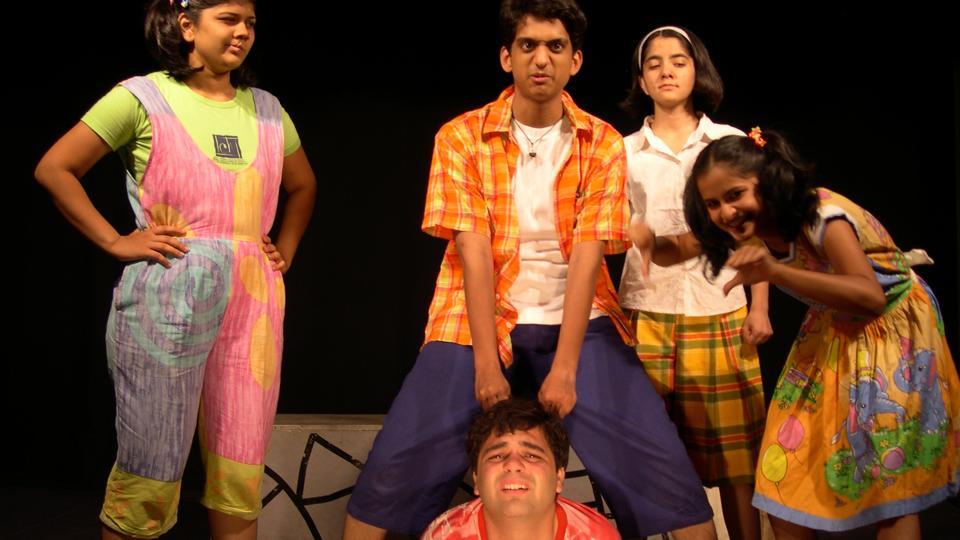
Apart from inculcating a good culture early on, theatre also helps as a team activity, letting go of inhibitions and awkwardness and in certain cases theatre can also be used as therapy. The only theatre activities I was introduced to early on were the plays for children or popularly known as “Baal Natya”. I remember that newspapers would be full of advertisements of such plays during the summer holidays! They seemed attractive. Some would even offer a free ice-cream with every ticket, making the prospect even more attractive!
But looking back, one thing that I realise is that none of those plays were memorable. Not because of the content, but maybe because of its intent. The plays did entertain, sure. But that’s all that they offered. And that too was solely dependent on the performers. The music, set design, lights and costumes were not something worth mentioning. Nor did they make any comment on the society or offer an insight about the lives we are living. I understand that not every play needs to make such a statement, but unfortunately, the plays did not go beyond farcical comedy.
Once I had passed out from school and started doing inter-collegiate plays from college, I was introduced to various amateur theatre groups in Pune. I had the good fortune of being a part of most of them. One such activity that I got involved in was the Grips theatre movement in Pune. Originally started in Germany by Volker Ludwig in the 60s and brought to India by Dr Mohan Agashe in the 80s, Grips theatre is for children and young adults, and deal with their lives and their problems, but presented in a humourous and musical format. Maharashtra Cultural Centre in Pune primarily produces these plays with Shrirang Godbole and Vibhawari Deshpande now spearheading the movement.
While most of the actors in the aforementioned “Baal Naatya” were children, a main point of difference in plays by Grips is that adults play children! I watched a performance when I was in college called “Pan aamhala khelaychay! (But we just want to play!)”. Set against the backdrop of communal riots, it tells the story of a group of children who discover each other’s religion and realise that they don’t care and they just want to play. I thoroughly enjoyed myself watching the play and watching adults performing children so well. It is a tougher job than it appears to be! Also, the audience is primarily children and it is not easy to please them and hold their attention for two hours.
The thing that I felt the most that evening though, was regret. Or also known as FOMO (fear of missing out) in today’s lingo! I had missed out on these plays for nearly sixteen years of my life. But not wanting to be left behind, I watched all the plays that were being performed and even ended up performing in one of them a year later! This was nearly 15 years ago.
The activity has changed gears during the past few years. Earlier, the plays used to be official adaptations of original German plays. Now Vibhawari and Shrirang write original plays in collaboration with German playwrights too. Marathi plays often visit the iconic Grips Theatre at Hansaplatz in Berlin and perform for German audiences.
Theatre for children is a largely overlooked area in contemporary Marathi theatre. Not only do they help in development of children and make them more social and empathetic, they also create a good audience. And usually, a good audience are good citizens! Good citizens are not those that just do as they are told. They question the system whenever necessary and help shape a just society!
Nipun Dharmadhikari is a storyteller and looks forward to telling them on stage, in front of the camera or in person.


