
 E-Paper



Dead fish in Pashan lake expose civic lapses; 4 PMC officials suspended
The action followed an on-site inspection by Ram on Friday, April 10, which revealed that a STP in the Pashan Lake area was non-operational

 Prefer HTon Google


Pune municipal commissioner Naval Kishore Ram on Friday suspended four civic staffers, including an executive engineer, a junior engineer, and two sanitary inspectors, a day after hundreds of dead fish were found floating in Pashan Lake, citing gross environmental negligence.
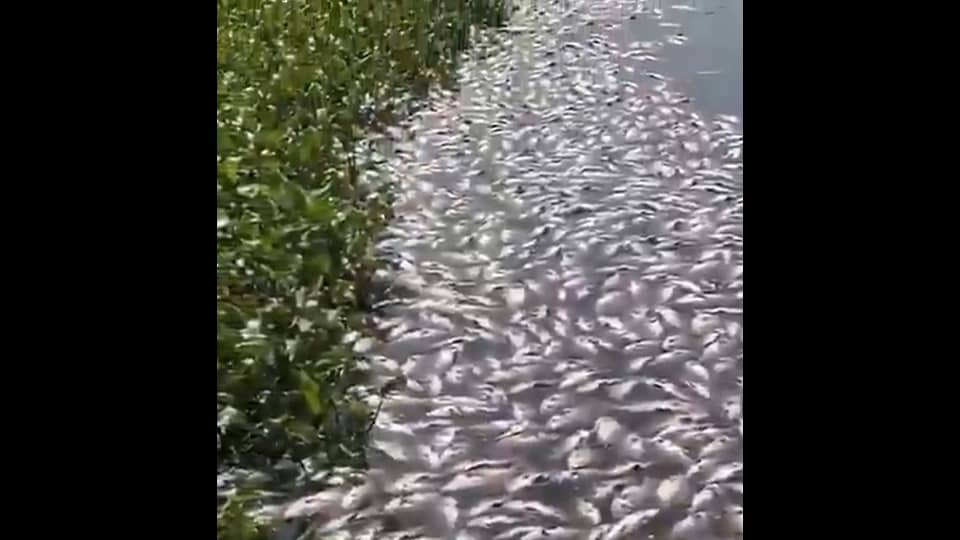
The action followed an on-site inspection by Ram on Friday, April 10, which revealed that a sewage treatment plant (STP) in the Pashan Lake area was non-operational, leading to the direct discharge of untreated wastewater into the reservoir. Officials said the untreated inflow severely contaminated the lake, resulting in foul odour and a sudden, large-scale fish kill.
Those suspended include executive engineer Ajaykumar Vayase and junior engineer Atul Kumar Kadu from the drainage maintenance and repair department, along with sanitary inspector Vinayak Chopde and divisional sanitary inspector Vijay Bhoir from the health department. While Vayase and Kadu were suspended by additional municipal commissioner (estate) Prajit Nayar, the two sanitary officials were suspended by deputy municipal commissioner (Zone 2) Santosh Warule.
In addition, chief engineer Jagdish Khanore of the drainage maintenance and repair department has been issued a show-cause notice by additional commissioner Pavneet Kaur, seeking an explanation for lapses that allowed untreated sewage to enter the lake.
The incident came to light after local residents reported hundreds of dead fish floating along the lake’s edges, prompting immediate attention and an inspection by senior civic officials.
“On Friday, I, along with other PMC officials, visited the lake and found that the STP was not functioning. However, it also emerged that bills were being regularly cleared by the agency responsible for its operation. There are clear lapses, and action has been taken as protection of the environment and public health is our priority,” Ram said.
Officials further said preliminary findings indicate that, apart from the defunct STP, polluted discharge from a few industrial units in the vicinity may also have contributed to the deterioration of water quality. The civic administration has initiated parallel checks into these units.
“Additional commissioner Pavneet Kaur has been directed to conduct a detailed inquiry into the STP operations. A notice has also been issued to the consultant responsible for sewage treatment,” Ram added.
Kaur confirmed that a show-cause notice has been served to Khanore, asking why action should not be taken against him for the lapses that led to sewage entering the lake and causing the death of fish and other aquatic life.
The Pune Municipal Corporation (PMC) has also sought a report from the Maharashtra Pollution Control Board (MPCB) on the functioning of effluent treatment plants (ETPs) of factories located around the lake. Civic officials said further action will be based on the findings of the MPCB report and the internal inquiry.
Environmentalists have repeatedly flagged concerns over untreated sewage inflow and declining water quality in Pashan Lake, warning that poor maintenance of treatment infrastructure could trigger ecological damage. Friday’s incident has once again brought the spotlight to monitoring failures and accountability within civic systems
About the lake
Pashan Lake is a man-made lake built during the British era on the Ramnadi River on the western edge of the city. Spread over nearly 40 hectares, it has long served as an important urban biodiversity spot, attracting migratory birds and supporting aquatic life.
Over the years, however, rapid urbanisation in surrounding areas such as Pashan and Bavdhan has led to increased sewage inflow, encroachments and pollution, severely impacting the lake’s ecological balance. Civic efforts, including desilting, fencing and installation of sewage treatment systems, have been undertaken intermittently, but experts say consistent maintenance and strict regulation of inflows remain key to restoring the lake’s health.


