
 E-Paper



Dengue, chikungunya on the rise in Pune during hot, humid Nov
Pune has reported 72 confirmed cases of dengue and 27 confirmed cases of chikungunya till November 18 with figure same as October


Pune: With the city yet to see its normal mid-November winter temperature, hot and humid climate with unseasonal rains has led to a rise in dengue and chikungunya cases. The city has reported 72 confirmed cases of dengue and 27 confirmed cases of chikungunya till November 18 with figure same as October. Experts say that until the temperature drops, the number of dengue and chikungunya cases will not come down.
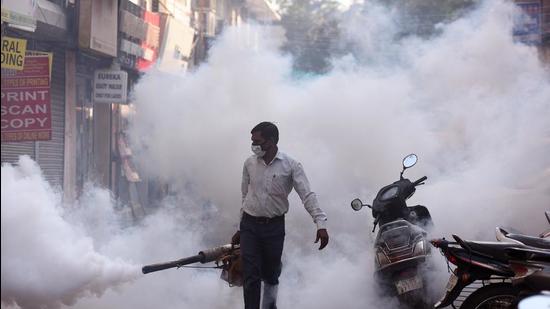
As per the Pune Municipal Corporation’s (PMC) health department data, the city reported 228 suspected and 72 positive dengue cases and 27 confirmed cases of chikungunya in the past 18 days in November which is almost as much as the number that the city reported in October, considered as the ideal period for mosquito breeding and spread of these infections. In October, Pune city reported 408 suspected cases of dengue and 168 confirmed cases, and 38 confirmed cases of chikungunya.
As of November 18, Pune city has reported a total of 2,697 suspected and 635 confirmed cases of dengue and a total of 245 confirmed cases of chikungunya. The civic body has issued a total of 2,488 notices and collected Rs1,56,950 in administrative fees as penalty after clearing breeding spots.
As per the weather department officials, November is considered to be the beginning of winter in the city, but temperature fluctuations have been reported in the month with difference between the minimum and maximum temperatures touching at least 10 degrees Centigrade with strong rain spells. Rains add to water accumulation with the climate supporting the breeding of infection spreading mosquitoes.
Dr Sanjeev Wavare, assistant health officer at PMC, said, “The hot and humid climate in October along with the October heat and the retreating monsoon all add to the ideal conditions of mosquito breeding. As the temperatures have not gone down in November, this also might aid the spread of dengue and chikungunya. Unless the temperature drops, it is unlikely that the number of cases might go down.”


