
 E-Paper



Empress Botanical Garden in Pune home to over 130 insect species: Survey
During the survey, the team documented around 60 species of butterflies and moths (Lepidoptera); 30 species of dragonflies and damselflies (Odonata); and more than 45 species of other orders of insects including bugs, flies, beetles, ants, wasps, hornets and others

 Prefer HTon Google


The first-ever insect survey conducted by the Rupa Rahul Bajaj Centre for Environment and Art (RRBCEA) located inside the Empress Botanical Garden premises has highlighted that this garden is home to over 130 insect species including butterflies and moths, dragonflies and damselflies, bugs, flies, beetles, ants, wasps and hornets among others. The survey was carried out between October 1, 2023 and September 20, 2024 and after the data compilation and technical report, the RRBCEA on March 28 published a booklet providing detailed information on the insects in the garden to raise awareness among the people.
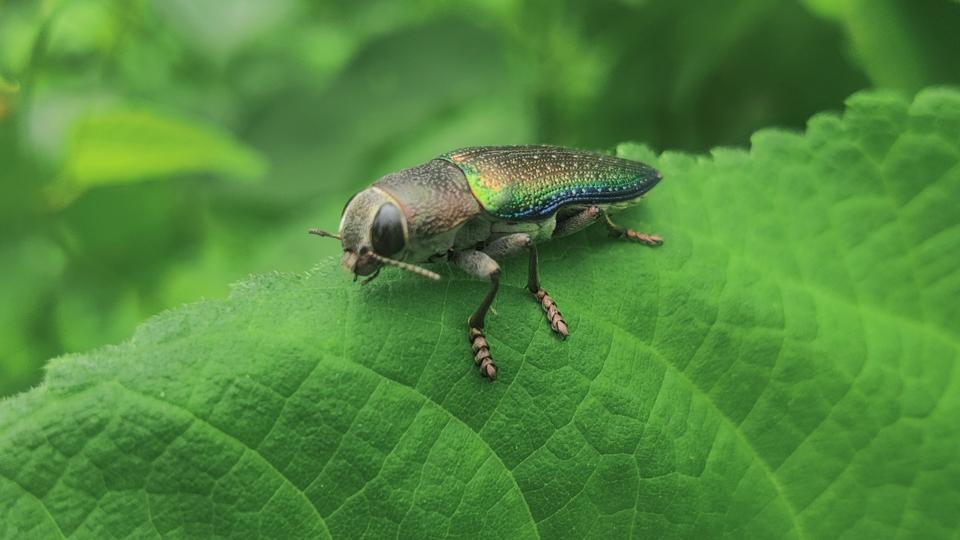
The survey was designed and conducted in collaboration with insect experts from Mitrakida Foundation Dr Rahul Marathe and Nutan Karnik. The on-ground team included Shreyas Pattanshetty, Swara Bakshi, Shradhha Jadhav, Aishwarya Hiranwale and Natansh Agrawal whereas the photo and video documentation of insects during the survey was carried out by Srushtee Deshpande. Twice a week throughout the period of the survey, the team would search specific representative habitats found within Empress Botanical Garden and document the species of insects found there. This way, the team covered all seasons and representative habitats for insects in the garden active in the day time.
During the survey, the team documented around 60 species of butterflies and moths (Lepidoptera); 30 species of dragonflies and damselflies (Odonata); and more than 45 species of other orders of insects including bugs, flies, beetles, ants, wasps, hornets and others. The team also recorded many interesting behaviours of insects and their interactions with plants. For example, it documented a swarm of (hundreds of) dragonflies called ‘wandering gliders’ that undertake annual multigenerational migration of around 18000 kilometres between India and Africa. “To see these migratory dragonflies in such huge numbers in the garden was very interesting,” said Swara Bakshi, a team member who participated in the ground survey.
The team also saw tortoise beetle completing its life cycle on a medicinal vine called ‘Nishotter’ (Operculina Turpethum) which has not been reported earlier. The team documented the frenzied feeding of a large number of cotton-stainer bugs on wild almond seeds in the garden. There were paper wasps building their chambered papery nest and stingless bees pollinating flowers as well. Every season had interesting insights to offer about these fascinating insects, a team member said.
About the significance of the study, Dhanashree Paranjpe, who heads RRBCEA, said, “There is a good diversity of insects in the Empress Botanical Garden even if we don’t count insects that are active at night. Such a comprehensive survey for documenting insect diversity has not been conducted in Empress Botanical Garden earlier. Hence, the study provides significant insights into the insect presence in the garden.”
“There are a lot of misconceptions and aversion toward insects in our minds. Not all of them are harmful or pests or living forms that we need to immediately kill. There are many beautiful, interesting, useful insects around us. You will get to see many such species and their behaviours right here in the garden if you visit anytime during the year. Insects are a very important part of food webs; many birds and reptiles depend on them for food. Many of our food crops are pollinated by insects such as bees and butterflies. So, one should start looking at insects in a more friendly manner,” said Paranjpe.
About further plans, Paranjpe said, “One of the main objectives of RRBCEA is connecting people with Nature. So, we design and conduct public awareness and education programmes on themes related to Nature based on the data we collect. Hence, apart from publishing a technical report or a paper in a scientific journal, we have come out with a small, user-friendly booklet on ‘Insects of Empress Botanical Garden’ which is available at RRBCEA for anyone interested in exploring insects in this garden. We have also planned fun, experience-based sessions to familiarise people with insects in the coming year.”
RRBCEA has been actively engaged in connecting people with Nature and art for the past five years. As part of its ongoing efforts taken to document the biodiversity of 39 acres of Empress Botanical Garden, the centre had conducted a bird survey in 2022-23. During the year-long bird survey, the team found that almost 50% of the over 85 bird species recorded in the garden were insectivorous. This prompted the team to take up documentation of insect diversity in the following year in 2023-24.


