
 E-Paper



Experts to study assistive technology usage, and barriers in Pune
Health experts in Pune will conduct a year-long study to estimate the prevalence of needs for Assistive Technology (AT) and barriers to access, under the guidance of ICMR.

 Prefer HTon Google


Health experts and researchers in Pune will start a year-long population-based study to estimate the prevalence of needs, met and unmet needs for Assistive technology (AT), and barriers to accessing AT. The study will be conducted from next month under the guidance and support of the Indian Council of Medical Research (ICMR), the officials said.
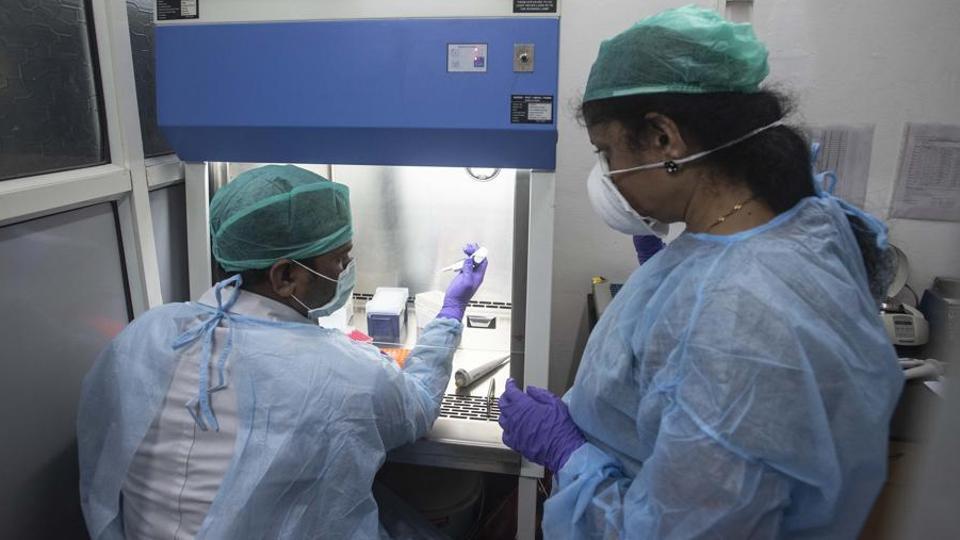
Pune district has been selected as the representative district from Maharashtra. The study, “Assessment of unmet needs and barriers to access assistive technologies among the general population using the Rapid Assistive Technology Assessment (rATA) tool cross-sectional study in India” will be conducted using the World Health Organization (WHO) rATA tool.
Dr Muralidhar Tambe, deputy dean and head of the community medicine department at BJ Medical College and Sassoon General Hospital (SGH) will be the principal investigator for Maharashtra.
“Only about 5 to 15% of the world’s population in need has access to assistive products. So, a community-based epidemiological study will be undertaken to assess the demand for AT in the general population with functional impairments, as well as to estimate the gaps in the usage of AT,” Dr Tambe said.
The United Nations (UN) Convention on the Rights of Persons with Disabilities (PwDs) has mandated access to quality and affordable assistive products for persons with disabilities. Access to AT is a component of universal health coverage and needs to be integrated into efforts to attain sustainable development goals target. AT enables better health, well-being, and equitable participation in society.
Globally, the need for AT is growing rapidly alongside the rise in non-communicable diseases (NCDs), mental illnesses, burns, injuries, trauma, and an ageing population.
Another senior official, on condition of anonymity, said, “The rATA is an interviewer-administered population-based survey tool divided into seven sections designed to gather sic information on factors such as demographics; needs; demand and supply; user satisfaction; and recommendations. The same tool rATA will be used during the study.”
Dr Tambe, said, AT refers to the systems and services of those whose primary purpose is to maintain or improve an individual’s functioning and independence to facilitate participation and enhance overall well-being such as eyeglasses, hearing aids, wheelchairs, pill organisers, augmentative communication devices, and incontinence products.
“The idea is to enable people to live healthy, productive, independent, and dignified lives and to perform everyday activities, occupational and educational performance, and social inclusion. Besides, the use of AT reduces the need for formal health and support services, long-term care, and the work of caregivers,” Dr Tambe added.


