
 E-Paper



Govt to mandate ADAS features in CVs by 2027: ARAI head
The five key systems proposed for mandatory implementation include autonomous emergency braking (AEB), driver drowsiness detection, blind-spot detection, lane departure warning and moving object detection.

 Prefer HTon Google


Pune: Advanced driver-assistance systems (ADAS) will be made mandatory for commercial vehicles (CV) in phases starting 2027, said Reji Mathai, director, Automotive Research Association of India (ARAI).
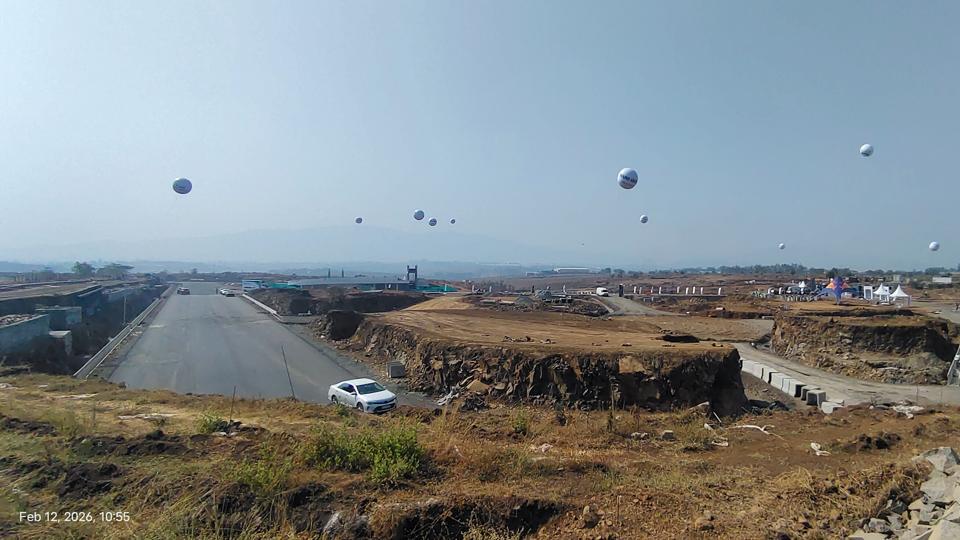
Speaking at the ADAS show 2026, where ARAI unveiled the operational readiness of its 20-acre ADAS Test City at Takwe near Talegaon in Pune, on Thursday, Mathai said, “Draft standards have already been published. It is a major step towards reducing accidents involving heavy vehicles.”
The five key systems proposed for mandatory implementation include autonomous emergency braking (AEB), driver drowsiness detection, blind-spot detection, lane departure warning and moving object detection.
The Takwe facility is described as India’s first dedicated on-road ADAS validation ecosystem designed to replicate Indian traffic and road conditions in a safe, controlled and repeatable environment.
“Until now, most ADAS-equipped vehicles in India were validated using global, largely European, protocols on general proving grounds or selected road corridors. We did not have a dedicated ecosystem that reflects the complexity and unpredictability of Indian roads. A controlled facility like this ensures identical test conditions for calibration and validation,” Mathai said.
ARAI has been collecting real-world driving data from across the country using instrumented vehicles equipped with cameras, radar and GPS. These vehicles have been deployed along the national highway quadrilateral, selected state and national highways and certain city sections, capturing data in varied lighting and weather conditions including rain, fog, night-time and high glare. The captured scenarios are then recreated on the test track for repeated validation.
“Indian roads present unique situations, two-wheelers carrying multiple riders, three-wheelers, pedestrians, stray animals, frequent cut-ins and inconsistent lane discipline. Existing test dummies and artifacts are largely based on European conditions. We are therefore working to develop India-specific targets and scenarios so that ADAS systems are evaluated against the realities our drivers face every day,” he said.
Senior government officials, global OEMs, Tier-1 suppliers and technology companies attended the ADAS show 2026.


