
 E-Paper



JM Road tops ITDP survey, Magarpatta Mundhwa Road worst in Pune
The report sheds light on the gaps in the city’s streets and helps identify the areas in need of urgent improvements, especially in safety, accessibility and usability


On the occasion of Pedestrians Day on December 11, the Institute for Transportation and Development Policy (ITDP) in collaboration with Pune Municipal Corporation (PMC) released the ‘Pune’s walk and cycle analysis’ survey. The report sheds light on the gaps in the city’s streets and helps identify the areas in need of urgent improvements, especially in safety, accessibility and usability. Several assessments of 11 major roads in the city were done in this report and accordingly, recommendations were given on the basis of design, observation and perception noticed in the survey.
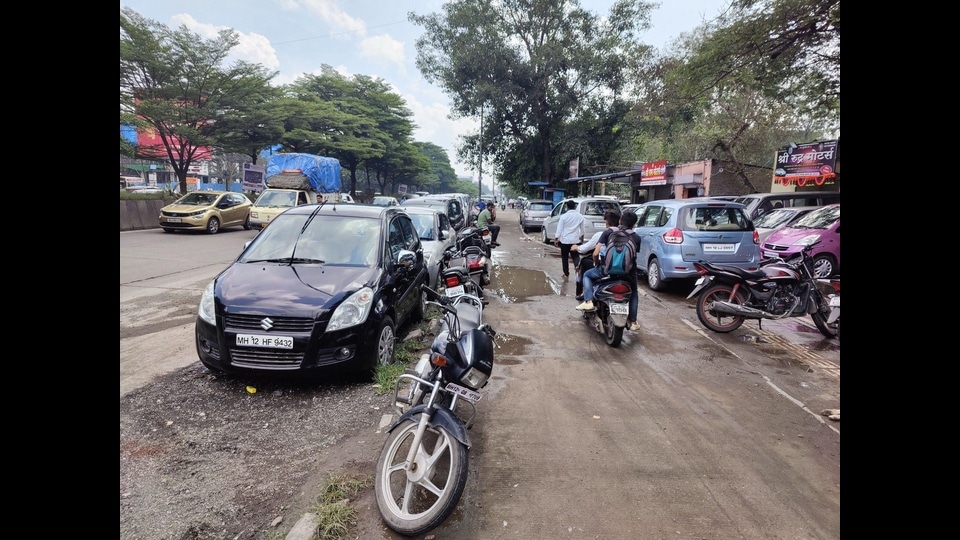
As per the information given by the ITDP, a total of 30 km of streets were analysed against a set of indicators. While a total of 2,300 people were surveyed on 11 different major roads in the city. All surveys were conducted between October and November 2022, during both morning (9 am to 11 am) and evening (5 pm to 7 pm) peak hours. Out of the 2,300 people surveyed, 65 per cent were male, and 35 per cent were female. Out of the commuters, 32 per cent were pedestrians and 40 per cent were public transport users.
“Citizens involved in various activities like sitting, exercising, studying, socialising, hanging out with kids etc are great indicators for liveable streets. Out of the streets selected for the assessment, JM road topped the charts followed by Rajbhavan road and Satara Road. On the other hand, Magarpatta-Mundhwa Road, Vishrantwadi Road and Shankarsheth Road have scored lowest,” said Pranjal Kulkarni, ITDP manager.
During the release of this survey report, PMC commissioner Vikram Kumar stated, “Pedestrian day is to celebrate our city’s pedestrians and bring to light their struggles. This report will aid in understanding the current state of our pedestrian and cycling infrastructure, as well as the needs, users, and gaps in our streets.”
Dinkar Gojare, executive engineer with PMC said, “The report’s scoring will allow us to take immediate action on low-scoring streets and make budgetary provisions for retrofitting and creating new walking and cycling infrastructure. Prioritising our pedestrians is key to us.”
Giving the details of the key findings of the survey report, Kulkarni informed, “Although most of the selected streets had some provision of footpaths and cycle tracks, a large percentage of the people were forced to walk off-the-footpaths. In poorly faring streets, the number was as high as 80 per cent. The major deterring factors while using the footpath were obstructions, inadequate width, poor condition, security concerns and lack of enforcement resulting in parked and plying vehicles.”
“On average, each selected street has 6 to 7 schools within 5 minutes of walking distance and 34 per cent of the surveyed people highlighted that they would definitely take up cycling if the safer infrastructure is provided. Also, of the 675 caregivers interviewed, only 14 per cent of people have responded to feeling safe to let their kids walk to school unsupervised,” he added.
Young pedestrians and cyclists frequently face the threat of speeding vehicles. To make matters worse, there are no safe crossing points at mid-blocks and intersections, resulting in numerous accidents. Two junctions, Vaiduwadi chowk and Kharadi Bypass junction, have been identified as severe accident-prone blackspots by the traffic police.


