
 E-Paper



Maharashtra reports 18 cases of Omicron subvariant XBB in 15 days
According to the whole genome sequencing report, which was released by Indian SARS-CoV-2 Genomic Consortia labs, thirteen of these cases are from Pune, two each from Nagpur and Thane and one from Akola


Maharashtra reported 18 cases of XBB sub-variant of Omicron in the first fortnight of October, the health department said on Wednesday.
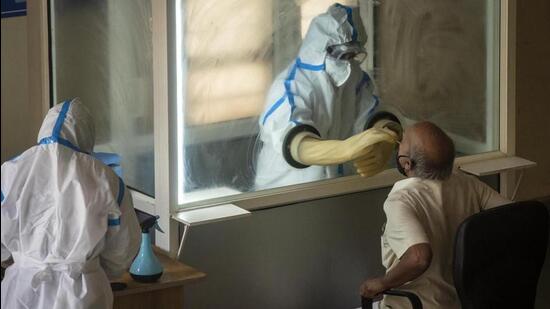
According to the whole genome sequencing report, which was released by Indian SARS-CoV-2 Genomic Consortia (INSACOG) labs, thirteen of these cases are from Pune, two each from Nagpur and Thane and one from Akola.
XBB, a recombinant lineage between two Omicron sublineages has emerged as one of the prominent strains in Singapore, where this is being monitored very closely by the government.
Apart from the XBB cases, the report of INSACOG, which was set up under the Ministry of Health and Family Welfare by the Government of India in December 2020, to study and monitor genome sequencing and virus variation of circulating strains of Covid-19 in India, also found one case each of BQ.1 and BA.2.3.20.
“All the XBB variant cases found in Maharashtra so far are mild. These cases were reported from September 24 to October 11. BQ.1 case of Pune is also mild and has a history of travel to the USA,” said Dr Pradip Awate, epidemiologist and state surveillance officer.
According to experts, BQ.1 is a subvariant of Omicron and is a descent of BA.5. The BQ.1 was detected during the latest genome sampling in October. The BQ.1 case along with another BA.2.3.20 case detected are from the samples processed during the period of 24th September to 11 October 22.
“Epidemiological information of all these cases is being collected and as per the primary information, all these cases are mild,” according to Awate.


