
 E-Paper



Monday Musings: With fuel prices touching new highs, low bus fares can be a game changer
The highlight of special air-conditioned bus service is that, the PMC-controlled public transport body, the PMPML, will charge only ₹10 for a ticket that will be valid for the entire day and a commuter can travel the central parts of the city


Rising fuel prices perhaps overshadowed an important local story last week, when the Pune Municipal Corporation (PMC) started its special air-conditioned bus service running through some of the most congested parts of Pune central.
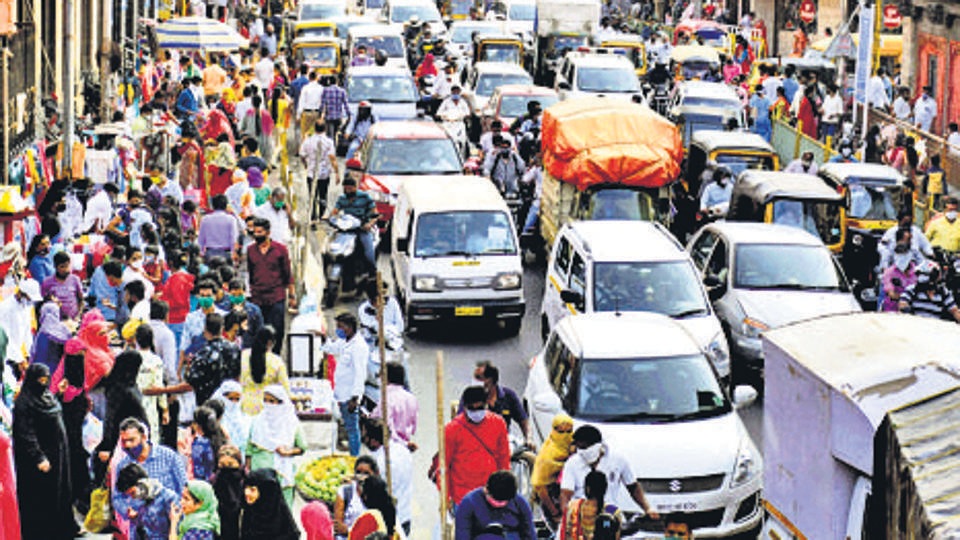
The highlight of this new bus transport service is that, the PMC-controlled public transport body, the PMPML, will charge only ₹10 for a ticket that will be valid for the entire day and a commuter can travel the central parts of the city.
The decision is likely to increase transit ridership as petrol has reached ₹105 per litre, and diesel, ₹96 per litre.
The service, if operated smoothly with increased frequency, can also provide a strong alternative to private transport that often leaves central parts of Pune congested, heavily polluted, and a nuisance for pedestrians.
The PMC had earlier started the ATAL service through the PMPML, in which commuters can travel 5 km for Rs5. While the service was a hit among commuters, frequent restrictions and closure of schools and colleges, put the breaks on it.
Keeping in mind the proposed no-parking policy that PMC is waiting to implement, the new service designed for congested areas like the peths, where the PMC will later go in for a pay-and-park service, will discourage citizens from driving private vehicles on congested roads.
These central parts house various businesses, including cloth markets on Bajirao road, Laxmi road and Kumthekar road. A large number of students also throng the nearby wholesale market for books at Appa Balwant chowk, stationary items in Raviwar peth, electrical and electronics in Budhwar peth, automobile parts in Rasta peth, the hardware and timber market on Shankarsheth road, the utensils market in Ghorpade and Shukarwar peth.
For women, the famous Tulsibaug market and Mahatma Phule vegetable market are a favourite.
The central part of the city also has various religious places including the famous Shreemant Dagdusheth Ganesh temple and the Kasba ganesh temple.
It has historical monuments such as Shaniwarwada, Vishrambaug wada and Lal Mahal.
The PMC’s decision to engage only CNG buses on the nine routes in the central part of the city with ₹10 as the fare will reduce air pollution, lower traffic congestion and free footpaths.
Once successful, the PMC plans to expand the service to other parts of Pune, which has 3.9 million private vehicles, almost equivalent to its population.
On one hand, when PMC has lowered bus fares, the rising fuel prices are unlikely to reduce anytime soon. The increased prices have hit the poor even harder as they find it difficult to buy vegetables and groceries, which have also seen a price rise in a cascading effect.
There have been demands to lower taxes – India is among the countries that levies the maximum taxes on fuel by the Centre and state. While both are unlikely to reduce the taxes given that government coffers have been emptied due to the pandemic and its impact on economy, they can further cross-subsidise the fares, making public transit even cheaper.
This will help environment, and be a sustainable solution for various cities including Pune and its citizens, beset as it is with pollution, traffic congestion and high vehicle ownership.
The second positive is that it is obviously a more environment-friendly and sustainable solution for the city and its residents, beset as it is with pollution, traffic congestion and high vehicle ownership.
A reduction of fares even to May 2017 levels will result in a drop of 25%–33% in us of private vehicles on most commutes.


