
 E-Paper



Only 8 construction sites using sewage-treated water
Due to low water levels in the dams around Pune, district collector Dr Suhas Diwase recently issued an order to stop using potable water for construction and other purposes and use water judiciously


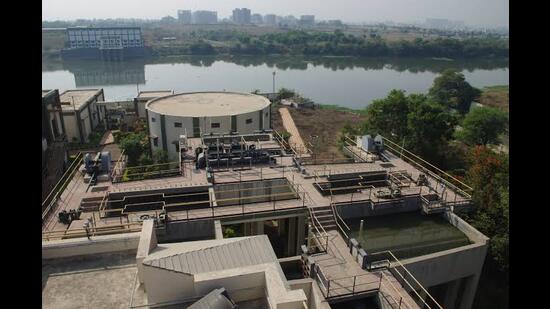
Despite instructions from the Pune Municipal Corporation (PMC), only 8 construction sites use treated sewage water, according to PMC’s survey of over 700 sites.
Due to low water levels in the dams around Pune, district collector Dr Suhas Diwase recently issued an order to stop using potable water for construction and other purposes and use water judiciously.
Therefore, PMC has again issued a notice and clarified that it is mandatory to use sewage-treated water for construction and gardening purposes.
With a growing population and scarce rainfall, the city has faced serious water shortages during summer. Starting in 2023, the civic authorities said constructions must use sewage-treated water. After this rule, most constructions in the city used sewage-treated water, about 70 to 80 tankers a day. Builders also stopped using water from the city’s STPs. Now, it turns out they’re using potable water.
So, in the past months, PMC commissioner Rajendra Bhosle instructed the water supply department to investigate if the construction sites are using treated water or potable water.
During a survey conducted by PMC in the last week of April 2024, it was revealed that only eight big construction sites are using sewage-treated water for construction purposes.
One of the officials of the Water supply department said, “Last week, we conducted a survey of 727 construction sites with the help of our staff, we have found only eight construction sites that have admitted that they are using treated water for construction. Now, we have tabled a report to the PMC commissioner. We have decided to call a meeting of builders in the coming week, and to know the problems with using treated water.”
Since May 2023, PMC has said that using treated sewage water for construction in the city is mandatory. But this water still has lots of chemicals, and developers worry it might make the structures weaker.
Pramod Unde, the executive engineer of the PMC drainage department, said, “Last year, PMC had issued a circular and instructed all contractors, garden department officials and builders to use treated sewage water for construction activities. The garden department is already using treated sewage water. The water is tested as per norms and can be used for this purpose.”
He added, “About 200 builders signed up with PMC to use treated sewage water. But only a few are using it for construction purposes. Every week, 200 to 250 tanker trips fetch treated water from Kharadi and Mundhwa STP.”
Wastewater workability
Students of Matoshri Institute of Technology, Yeola (Maharashtra) published a study report in the March-April issue of the International Journal for Multidisciplinary Research (IJFMR) journal regarding ‘Use of sewage treated water in concrete’.
Umesh Gaikwad, Charudatt Ahire, Vedant Bhad, Ajinkya Pawar, and Rushikesh Pawar mentioned in the study that the treated sewage water is found to fit in the chemical analysis conducted on it, all the impurities or say suspended matter is under the permissible limit. This treated sewage water can also be used as curing water, as it satisfies the chemical standards to be fit for the same. The treated sewage water when used in concreting or making concrete specimen cubes, the compressive strength of cubes was satisfactory, in fact, the cubes made with the treated sewage water attained more compressive strength.
This implies that the treated sewage water used in concrete works under normal conditions. The use of treated sewage water is more economical than the use of conventional water and helps conserve potable fresh water for other life-giving purposes rather than construction.


