
 E-Paper



PCMC floats ₹443 cr tender to rejuvenate Indrayani River
Civic officials said the tender, issued by PCMC’s environment department, covers a wide range of components, including pollution control, flood management, and beautification of the riverbank. Interested parties have been given time till December 18 to participate in the bidding process.


Pune: The long-awaited rejuvenation of the Indrayani River has finally gained momentum with the Pimpri-Chinchwad Municipal Corporation (PCMC) issuing a tender worth ₹443.51 crore for major works on Thursday, following approval from the state government.
Civic officials said on Friday that the tender, issued by PCMC’s environment department, covers a wide range of components, including pollution control, flood management, and beautification of the riverbank. Interested parties have been given time till December 18 to participate in the bidding process.
Under the Indrayani River Rejuvenation Project, a 20.6-km stretch - from Tathawade to Chikhali - will be covered. The northern bank of the river falls under the Pune Metropolitan Region Development Authority (PMRDA), which covers several villages, including Yelwadi, Mhalunge, Nighoje, Moi, Kuruli, Chimbali, Kelgaon, Alandi, Chikhali Khurd, and Dhanore.
As part of the development plan, two 60 MLD sewage treatment plants (STPs) are proposed at key locations to prevent untreated wastewater from entering the river. The focus of the project is to reduce pollution, flood management, and riverbank strengthening and beautification, the officials said.
Sanjay Kulkarni, city engineer and head of the environmental department, PCMC, said the civic body has finalised the project and secured approvals from the State Technical Committee and State Environment Impact Assessment Authority (SEIAA). “The cost of the entire project is ₹526 crore, which has been approved. The project has been approved under the AMRUT 2.0 scheme and the government will provide 50% financial support to us,” he said.
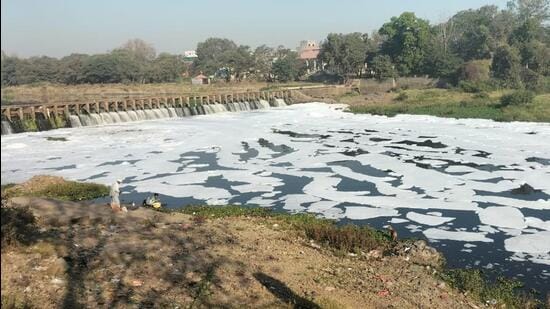
Dehu and Alandi, two major pilgrimage centres along the river, draw thousands of ‘warkaris’ (pilgrims) throughout the year for religious events, including Ashadhi Wari, Kartiki Wari, and Sant Tukaram Maharaj Beej. However, due to rising pollution levels, authorities have restricted bathing in the river.
Commenting on it, Kulkarni said, “Years of untreated sewage and industrial waste flowing directly into the Indrayani have severely degraded water quality. With pollution levels rising, the need for a sustained rejuvenation project has become an urgent need.”


