
 E-Paper



PMC mayoral race to begin with reservation lottery
In PMC, the mayor’s post was for the open category in 2017. This time, the category will be decided through the draw, which is being keenly watched by corporators across party lines


The process for electing the next mayor of Pune Municipal Corporation (PMC) will formally begin on Thursday when the state government’s urban development department (UDD) draws lots to decide the reservation category for the post. The mayoral election will mark the first major political milestone in PMC’s new term, setting the tone for governance and power-sharing in the civic body.
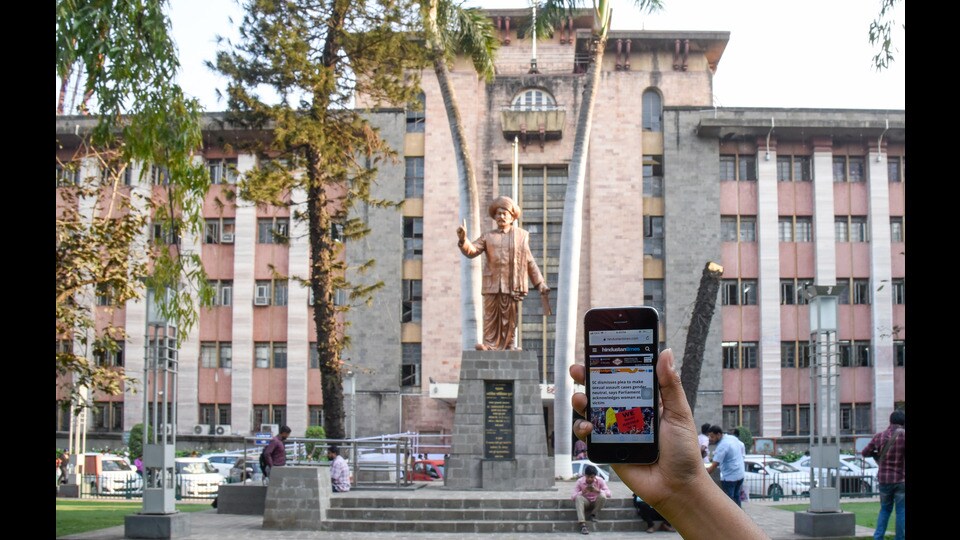
In PMC, the mayor’s post was for the open category in 2017. This time, the category will be decided through the draw, which is being keenly watched by corporators across party lines, particularly senior leaders who see the mayoral post as a key political stepping stone.
The lottery will be held in Mumbai in the presence of minister of state for urban development Madhuri Misal.
In Pune, the Bharatiya Janata Party (BJP), which has emerged with a strong majority in the PMC elections, has already begun internal discussions in anticipation of the reservation outcome. Senior corporators whose names are doing the rounds for the mayor’s post include Ganesh Bidkar, Rajesh Shilimkar, Varsha Tapkir, Dheeraj Ghate though party leaders said a final decision would be taken only after the category is officially announced. Sources said there is chance party may throw surprise name. Leaders from allied parties are also closely tracking the development to assess their options.
“All elected corporators, especially senior leaders, are waiting for the reservation lottery as their immediate political future depends on it,” a senior PMC leader said.
The announcement is expected to set off intense behind-the-scenes negotiations within parties, particularly in major civic bodies such as Pune, Pimpri-Chinchwad, Nagpur and Nashik, where the mayor’s post carries significant political weight.
The law stipulates that the mayor’s post must be reserved by rotation for Scheduled Castes, Scheduled Tribes, Other Backward Classes and Women candidates. It is only after this lottery is conducted that the statutory procedure for the mayoral election can begin.
Once the reservation category is declared, both ruling and opposition parties have to file their mayoral nominations. While multiple candidates may contest, a candidate needs a minimum of 114 votes—an absolute majority in the 227-member House—to be elected.
The mayoral election is overseen by the seniormost councillor in the house, who acts as the presiding officer. Traditionally, this officer is from the ruling alliance. After nominations are filed, candidates are given a 15-minute window to withdraw their nominations.
Unlike other elections, the mayoral poll does not involve a secret ballot. “The entire process is conducted openly,” said a former senior corporator. “All corporators publicly declare whom they are voting for, and the proceedings are videographed.”
After the votes are recorded and counted, the mayor is declared elected. The same procedure is then followed for the election of the deputy mayor.
Once the mayor is elected, the ruling party formally submits to him the names of its leader and group leader in the House while the opposition submits the name of the leader of the Opposition. In the same meeting, the names of members of the powerful standing committee are announced.
Appointments are also made to key civic committees, including those overseeing improvements, education, works and health. The chairpersons of these committees are decided based on party strength and negotiations within the ruling alliance.
Political parties with more than five corporators are entitled to a party office on PMC premises.


