
 E-Paper



Pune court discharges MLA Jitendra Awhad in 2016 Fergusson College violence case
In its findings, the court observed that the charge sheet and evidence indicated Awhad was more a victim than an assailant

 Prefer HTon Google


The additional sessions court in Pune has discharged sitting MLA Jitendra Awhad from all charges in connection with a 2016 incident of violence at Fergusson College. The order, passed by additional sessions judge (ASJ) Aniruddha Subhash Gandhi on October 13 and made available on Saturday, observed that there was insufficient evidence to frame charges against the legislator.
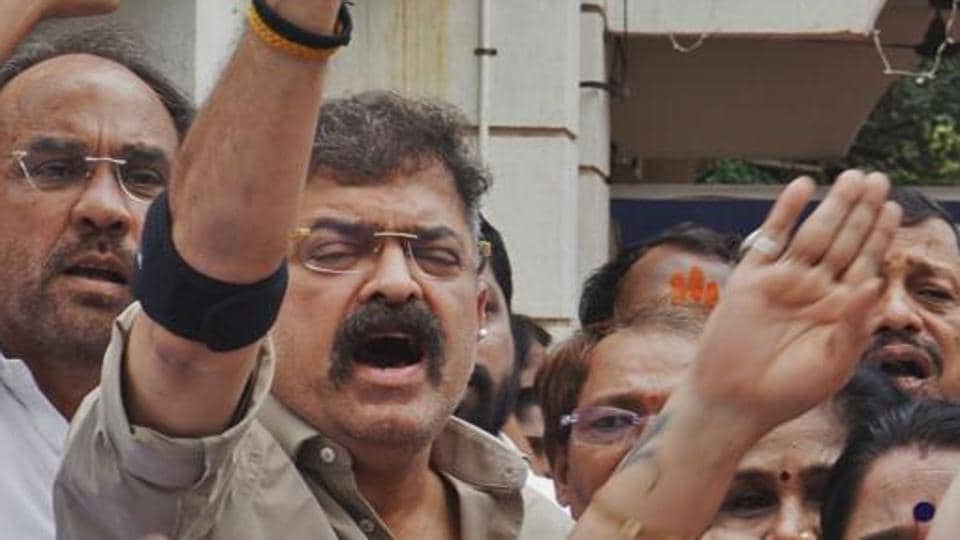
Awhad, a 61-year-old MLA of the Nationalist Congress Party (Sharadchandra Pawar) from Thane, had filed a criminal revision application challenging an earlier order of the Judicial Magistrate (First Class), Pune, which had rejected his plea for discharge on August 22, 2025.
The sessions court held that the magistrate’s order was “not legal, proper and correct,” warranting interference. Consequently, the court allowed Awhad’s revision plea, set aside the earlier order, and discharged him from the case.
The case stemmed from an incident on March 23, 2016, following the death of Rohith Vemula, when violence broke out at Fergusson College. Awhad had been accused of offences under Sections 143, 147, 149 (unlawful assembly), 323 (causing hurt), 336 (endangering life or safety), and 341 (wrongful restraint) of the Indian Penal Code, along with Section 135 of the Bombay Police Act.
Also Read: Case filed against Jitendra Awhad after NCP (SP), BJP workers clash in Maharashtra assembly
In its findings, the court observed that the charge sheet and evidence indicated Awhad was more a victim than an assailant. It concluded that there were no grounds to frame charges under any of the alleged sections.
Defence counsel Harshad Nimbalkar argued that Awhad was present at the Kimya Building near the college and not part of the mob. He submitted that the opposing group had turned aggressive, trying to corner and manhandle the MLA, while pelting stones, chappals, and water bottles at him and his vehicle. The court also noted that Awhad’s bodyguard had allegedly raised his firearm in the air during the chaos.
On the charge of unlawful assembly, the court pointed out that such an offence requires at least five persons sharing a common object. While witnesses confirmed the presence of two large groups — supporters of Prakash Ambedkar and ABVP activists — the prosecution failed to establish that Awhad had himself formed or joined any unlawful assembly.
The charge sheet didn’t mention how many persons accompanied Awhad, who had arrived with NSUI’s Shri Chaudhary and some supporters. Owing to the lack of evidence, the court ruled that Awhad could not be held liable under the cited provisions.
The judgment further noted no evidence of Awhad causing hurt under Section 323 IPC or committing any act endangering life or safety under Section 336 IPC.


