
 E-Paper



After spending over ₹10 cr, PMC takes help of citizens to identify unassessed properties
PMC has set up a “war room” and appealed to citizens to provide information through WhatsApp. The war room has been set up by the tax (collection) department to prevent the PMC from incurring losses

 Prefer HTon Google


The Pune Municipal Corporation (PMC) has been facing difficulties in identifying unassessed properties and properties that have changed their use for over a decade, despite spending over ₹10 crore from 2005 to 2016 on the project.
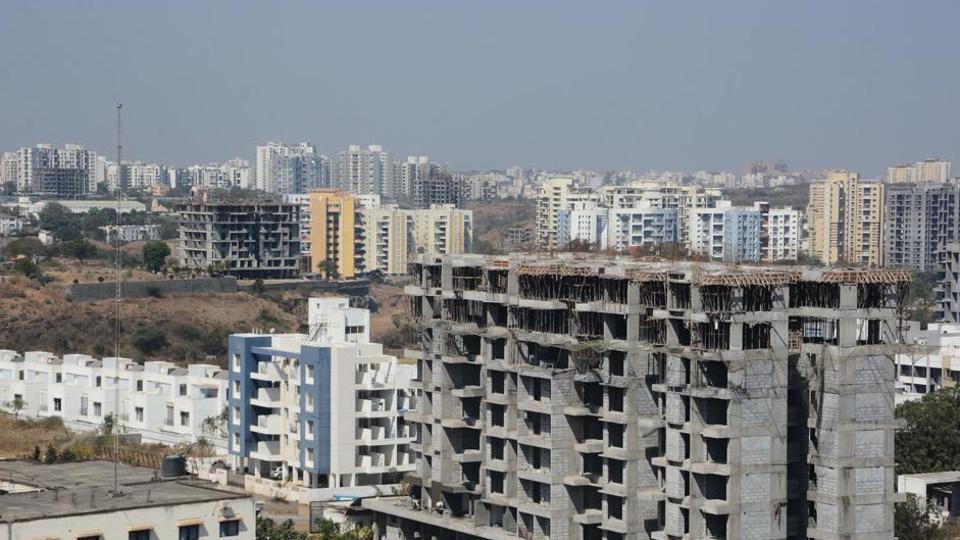
In an effort to address the issue, PMC has now appealed to citizens for their assistance in identifying such properties.
The PMC has set up a “war room” and appealed to citizens to provide information through WhatsApp. The war room has been set up by the tax (collection) department to prevent the PMC from incurring losses.
Before 2017, PMC had a certain number of properties within its limits. However, after the merger of 11 villages, the number of such properties rose to around 1,000,000. Furthermore, the merger of 23 additional villages resulted in about 1.6 lakh properties being added to the PMC’s tax jurisdiction, bringing the total number of properties under its limits to 11.6 lakhs.
In 2005, PMC spent over ₹1 crore on tagging properties to boost property tax but the work wasn’t completed till 2009. Subsequently, the property tax department withdrew the work from ‘Weikfield Nimonics Infonet Works Private Limited’.
In 2016, the PMC introduced the idea of tagging unassessed and unauthorised properties as well as properties with change in use, through GIS mapping. The project was initially scheduled to be completed in nine months but took more than two years to complete. The PMC hired ‘SAAR IT Resource Pvt Ltd’ and ‘Cyber Tech System and Software’ to carry out the GIS mapping of properties at the rate of ₹339 per property. These agencies were responsible for: verifying the floor area of the property, registering the property owner’s mobile number and email address, taking a photo of the property, and creating a QR code for each property based on the old registration number and the new GIS mapping number.
However, the private agencies completed verification of only 15% of the properties. In some cases, incorrect property status was recorded, categorising properties as rented when they were actually locked. In other cases, the information collected was incomplete which caused residential property owners to lose a 40% discount on property tax that was given to self-occupied houses. The private companies were fined a total ₹2.84 crores.
Ajeet Deshmukh, deputy municipal commissioner and in-charge of the property tax department, said that he was unaware of previous incidents involving the appointment of such companies to identify unassessed properties and properties with change in use. After appealing to citizens, PMC has registered over 30 complaints pertaining to property tax, he said.
Civic activist Vivek Velankar highlighted the failure of the agencies appointed in 2005 and 2016 and that fines were imposed on them for discrepancies in property registration and mapping. He recalled that Deshmukh had imposed the fines on these companies. He criticised PMC for paying these agencies large sums of money despite the fines, attributing the same to political pressure. Velankar suggested that PMC should reward the citizens for providing information about unassessed properties. He said it wasn’t difficult for the PMC – which is spending crores of taxpayers’ money on consultants – to do this.
In 2011-12, the PMC standing committee had approved a proposal for the recovery of taxes. According to this proposal, any individual, group, or organisation could inform the tax department about unassessed properties. On doing so, the PMC would reward the informant with 4.5% of the property tax recovered from that specific property. The identities of the informants would be kept confidential. If any commercial activity was found in a residential area, the property owner would be charged commercial tax.
Regarding the proposal, Deshmukh, said, “The scheme has been discontinued.”


