
 E-Paper



RBSK workers oppose move to shift administrative control
The workers fear that placing RBSK teams under DHO and THO control could create a dual administrative system

 Prefer HTon Google


Employees working under the Rashtriya Bal Swasthya Karyakram (RBSK) have urged the Maharashtra government to revoke the decision to shift the programme’s administrative control from civil surgeons (CS) and medical superintendents (MS) to respective district health officers (DHO) and taluka health officers (THO).
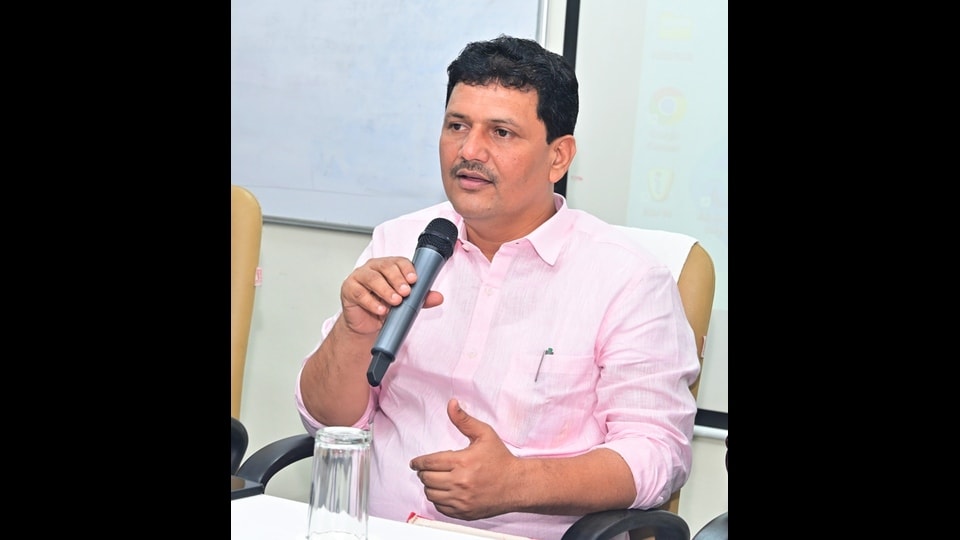
In a representation submitted on August 24, to public health minister Prakash Abitkar, the workers claimed the change could affect the referral and treatment of children requiring specialised medical and surgical care. They demanded that the existing CS/MS control be continued.
Under the RBSK programme children aged 0 to 18 years are covered. The state has 1,196 RBSK teams which screen children in schools and anganwadis for four categories of conditions — defects at birth, deficiencies, diseases and developmental delays. Children identified with health problems are referred for further evaluation, treatment and, where required, surgery.
The workers said the programme also deals with children who require specialised treatment for congenital heart disease, cleft lip and palate, cataract, club foot and neurological disorders. Such cases often require tertiary or super-speciality care, they said.
The state issued orders on August 20, 2026, changing the administrative supervision of RBSK teams. As per the revised changes the RBSK teams at the district level would work under the DHO, while teams at the taluka level would function under the THO. The order also calls for regular monitoring of team visits, school and anganwadi coverage, children screened, health conditions detected, referrals and treatment provided. It emphasizes field inspections, surprise visits and outcome-based monitoring instead of relying only on attendance and reports. The guidelines are to be implemented from September 9 this year.
According to the representation, civil surgeons can coordinate directly with district hospitals, government medical colleges and private hospitals empanelled under the Mahatma Jyotirao Phule Jan Arogya Yojana (MJPJAY) for specialised treatment and surgeries.
The workers fear that placing RBSK teams under DHO and THO control could create a dual administrative system. They said the district and taluka health offices primarily handle primary healthcare programmes and lack the same hospital and surgical infrastructure.
“This could lead to delays in referrals and treatment,” the workers said in their representation, warning that delays could be critical for children requiring urgent surgery.
They also raised concerns over the additional administrative workload on THOs. The representation points to tasks involving GPS tracking of RBSK vehicles, vehicle payments and staff honorariums. The workers fear that greater administrative responsibilities could affect the focus on treatment quality and follow-up.
They have sought immediate withdrawal of the circular that proposes the administrative change. They have also demanded that the existing school and anganwadi screening-to-tertiary-care referral system be retained and that coordination between District Early Intervention Centres (DEICs) and civil surgeons be strengthened. Besides, they have asked the government to consult RBSK doctors, specialists and employees before making changes to the programme’s administrative structure.
Abitkar was available for comment on the issue.


