
 E-Paper



Research delves into critical aspects of female criminality in India
By understanding the psychological and social dynamics at play, this study offers valuable insights that can inform effective interventions and policy-making to prevent crime before it occurs

 Prefer HTon Google


The district legal service authority unveiled pioneering research titled, “Exploring the intricacies of psychological predispositions, gender dynamics, and criminality among female inmates in India”. The study – carried out under the leadership of Mahendra K Mahajan, principal district judge and chairman, district legal service authority; and guided by Sonal Patil, secretary, district legal service authority, Pune – delves into critical aspects of female criminality, offering fresh insights into the interplay of psychological and gender-related factors. It was published yesterday.
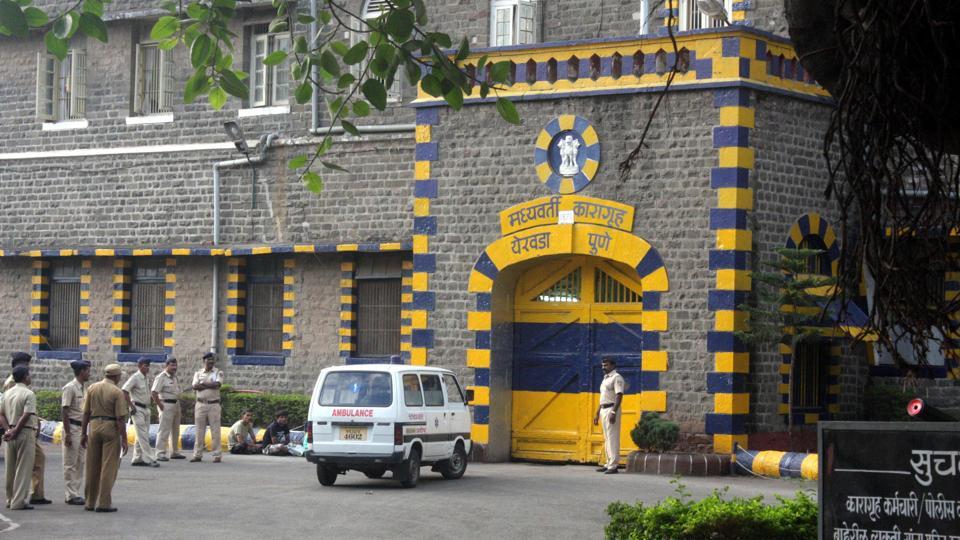
Patil said, “Over three weeks in April and May, our team, including researchers Leoum Jessica Shetty, Sherin George, and Kanishka Joshi conducted interviews with female inmates at Yerawada women’s prison to uncover the underlying factors driving women to criminal behaviour. Drawing on theories such as feminist criminology and trauma-informed care, we explored how long-term trauma including child marriage, domestic violence, and childhood abuse profoundly impacts mental health leading to behavioural changes and in some cases, a predisposition toward criminality.”
Patil also stressed the urgent need for support systems that address both mental health and economic difficulties to prevent crime and support women in vulnerable situations.
While Mahajan said, “It is imperative that we simultaneously advance our understanding of social and humanistic disciplines.” He noted that the research goes beyond mere analysis by exploring prevention strategies aimed at addressing the root causes of criminal behaviour. By understanding the psychological and social dynamics at play, this study offers valuable insights that can inform effective interventions and policy-making to prevent crime before it occurs.
The research – carried out by Leoum Jessica Shetty, Sherin George and Kanishka Joshi – is a significant contribution to the understanding of criminal behaviour among women in India; an area that has seen limited exploration. Although there has been some research on female criminality in the country, this study stands out for its comprehensive analysis of psychological predisposition and gender dynamics, particularly within the Indian context, where such research is still in its early stages.


