
 E-Paper



Rise in tick fever cases, sterilisation of infected stray canines put on hold
Veterinarians and PMC veterinary department have reported a surge in tick fever cases among dogs, pet and stray, attributed to the ongoing monsoon.

 Prefer HTon Google


Pune: Veterinarians and the veterinary department of Pune Municipal Corporation (PMC) have reported a surge in tick fever cases among dogs, pet and stray, which has been attributed to the ongoing monsoon.
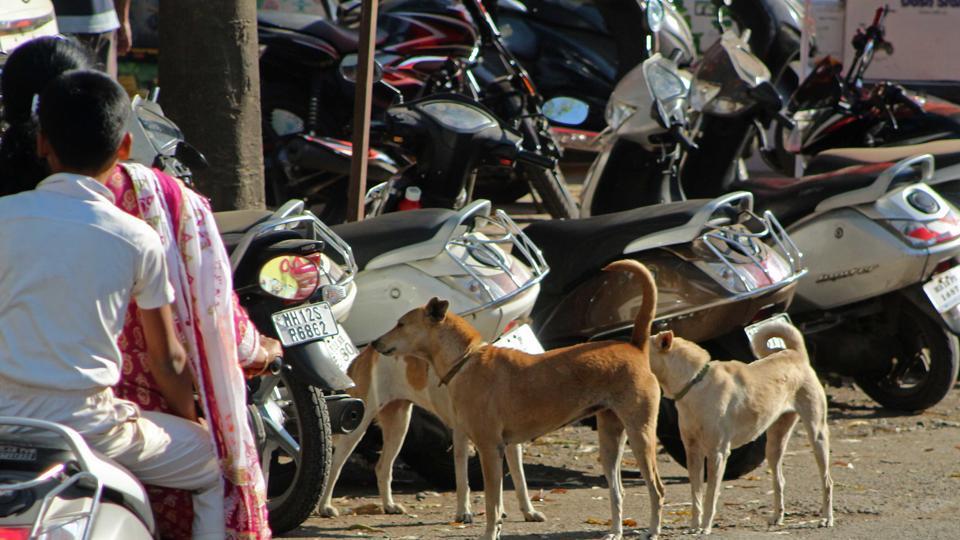
Dr Sarika Funde, veterinary superintendent, PMC, said, “The number of tick fever cases has risen significantly in pedigree and stray canines. We have asked the animal birth control (ABC) programme staff to postpone the sterilisation of stray dogs found infected with tick fever. As a precautionary measure, the civic body is carrying out disinfection activities aimed at eradicating the ticks (Ixodida).”
Also Read | Indore man kills two neighbours, injures five others after fight over their dogs
Following the recent showers in the city, the number of tick fever cases among dogs has increased. Over the past few weeks, veterinary hospitals have been daily seeing eight to 10 cases in dogs. More and more owners have been approaching hospitals with their pets suffering from tick fever. According to the vets, the owners should not take this condition lightly or underestimate the impact of ticks on their pets.
Dr Tribhuwan Katre, joint secretary, Pet Doctors Association, Pune, said that daily, they get 10 to 15 cases of dogs infected with tick fever. “The most important thing is to conduct prevention and disinfection activities to eliminate the ticks. The cases have increased in the past two to three weeks. Regular immunisation and timely treatment are good for the recovery of the canines,” he said.
Tick fever is commonly transmitted through contact with an infected tick. Ticks can pick up the infection from other animals before passing it on to dogs when they bite the latter. Tick fever-affected dogs develop fever and red spots on thin-skinned areas like the inner ear or lower abdomen. There is loss of appetite, and the dog starts looking pale. More severe conditions can lead to bleeding through the nose, vomiting and swelling of the lymph nodes.
Dr Anjali Dave, a veterinarian from NIBM Road, said that August is considered peak season for tick fever. “These parasites attach themselves to pets and transmit the disease, which is further spread to other animals. Even one or two ticks visible on your pet is a cause for concern. Any behavioural changes in your pet such as loss of appetite should not be taken lightly. Delay in diagnosis can lead to severe tick fever in pets,” she said.
Vets advice taking preventive measures such as using special collars and medicinal sprays and getting pets regularly checked to control the spread of tick fever.


