
 E-Paper



Taste of Life: Flavours and faith: Pune’s timeless Ramazan
Ramazan has been a season of generosity, fellowship, and shared urban life across the city’s diverse communities

 Prefer HTon Google


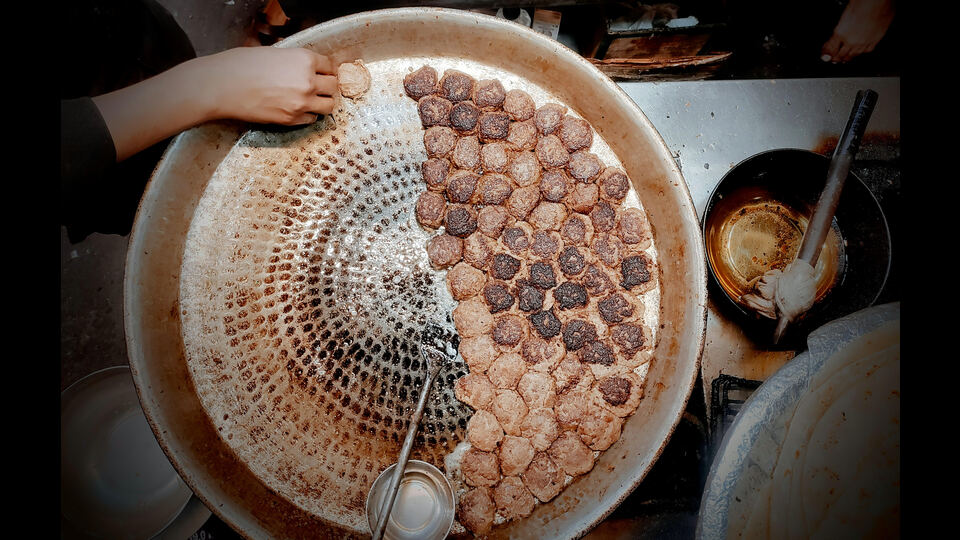
As the sun dips below the horizon during the holy month of Ramazan, Pune’s streets undergo a vibrant, aromatic transformation, most notably in the bustling culinary havens of Poona Cantonment, Kausarbagh, and Mominpura. Celebrated for their electric atmosphere and mouth-watering iftar delicacies, from smoky charcoal-grilled kebabs and rich “haleem” to sweet “malpua”, these epicenters draw massive, enthusiastic crowds every evening. More than just a religious observance, the irresistible food and festive spirit attract people of all faiths, turning these neighbourhoods into a beautiful, cross-cultural celebration of the city’s shared heritage.
The lunar month of Ramazan is an important time period for Muslims around the world. It commemorates the revelation of the Quran and has long been associated with reflection, charity, and moral renewal. As the Islamic year is lunar, Ramazan makes the round of the seasons. Its observance is certainly very punctilious and is evidently meant to constitute a severe mortification to the flesh.
Fasting during the month is one of the five pillars of Islam. The strictest fast is enjoined all through the hours of daylight, from dawn, when a white thread can be distinguished from a black one, to sunset.
Several Muslim communities settled in the city and cantonment of Poona since the beginning of British rule. Language, ethnicity, occupation, wealth, and places of origin divided Poona’s Muslims. A Bombay newspaper explained to its readers in 1908 that ‘the most essential fact to be learnt about the Mahomedan community of Bombay Presidency is that there is no such community; there are various communities in this city which profess this religion’.
The Gazetteer of Bombay for Bombay, Poona, and the districts of Gujarat indicate some variation in practices associated with cooking and commensality, especially during Ramazan. However, reports and articles published in newspapers and journals of the nineteenth century, both English and Marathi, have rarely mentioned the distinctions, indicating a strong homogenization of rituals.
In growing colonial cities, the observance of the fast created a shared rhythm of life that united a diverse Muslim population. In Poona, as elsewhere, each fasting day was framed by two important meals. “Sehri”, taken before daybreak, marked the beginning of the fast. Families rose in the early hours to eat food that would sustain them through the day before the call to prayer. The practice required careful attention to time and routine, shaping the daily life of households throughout the month. At sunset came “iftar”, the meal that ended the fast. Traditionally, the fast opened with dates and water, followed by a more substantial meal prepared in the home.
In 1864, the Marathi newspaper “Dnyanodaya” published an anonymous article describing the rituals observed during the month of Ramazan in the Bombay Presidency. It noted that in Bombay and Poona, people broke their fast with an abundant spread of dishes that included “malpua”, “kheer”, and “jalebi”. The meal also featured various kinds of meat pulaos, breads, and fruits such as fine oranges and dates from Afghanistan, along with a wide assortment of kebabs.
“Dnyanodaya” described the month of Ramazan as the “month of milk.” The reason was simple and rooted in everyday food culture. During the month and on Ramazan Id, vermicelli were cooked in milk, a dish that later became widely known as “seviyan”.
In nineteenth century Poona, the month transformed the life of the streets. Markets grew lively in the evening as vendors sold fruit, sweets, and cooked dishes for “iftar”. An article in “The Bombay Chronicle” in March 1912 noted that Persian vendors, who otherwise sold sweets like “sohan halwa” on the streets of Bombay, shifted to Poona for business.
Mosques and neighbourhood courtyards filled with people gathering for prayer and meals. “Iftar” was more than a meal; it was a moment of fellowship. Families invited relatives, neighbours and travellers to share the table, and acts of charity formed an important part of the evening.
The giving of “jakat”, the obligatory alms, and “sadqah”, voluntary charity, often increased during this month. Food and money were distributed to the poor so that they, too, could break their fast with dignity. Such practices strengthened bonds within the community and affirmed the moral ideals associated with Ramazan.
A Bombay newspaper reported on February 21, 1898, that a wealthy Muslim businessman from Bombay, who had a “fine” bungalow near Sassoon Hospital, had donated a “jakat” of ₹2,000 to open a charitable eatery for the poor near the Poona Railway Station.
Meetings of the Poona Municipality were scheduled earlier during the month of Ramazan because many members observed the fast. Reports published in the Marathi newspaper “Dnyanaprakash” after 1920 note that, for several years, these meetings were held at eight in the morning or after breaking the fast in the evening to accommodate Muslim councillors.
At the end of the Ramazan fast, that is, on the first day of Shawwal, the tenth month, came the fast-breaking festival Eid-ul-Fitr, more commonly known in the Bombay Presidency as Ramazan Eid. Men, women, and children wore new clothes and perfumed themselves. It was a day of whole-hearted rejoicing and feasting. Children were taken by their parents and relatives to the markets and stalls and presented with toys and sweetmeats known as “Idi”.
On the day of Ramazan Eid, people gathered at the Eidgah for prayers. The Eidgah on Shankarsheth Road in the Poona Cantonment drew large crowds. In the 1930s, nearly ten thousand Muslim men assembled there on the day of Eid to offer prayers. The Qazi Sahib of Pune Cantonment led the namaz and delivered the “khutba”.
Before leaving for prayers, people distributed the charity among the fakirs and the poor. Those who could afford it gave about two and a half seers of wheat or other grains. Dried dates and raisins were often included as well.
The Qazi Sahib was taken in a procession to the place of prayer. Many people joined the procession, quietly praising the greatness of God in their hearts as they walked. Once everyone gathered, the prayers were offered. After the prayers concluded, the Qazi Sahib was escorted back to his home in another procession. The rest of the day was spent feasting, exchanging gifts, and visiting one another.
Poona had several Muslim clubs. They often organised theatrical performances to raise funds for charitable causes. These plays featured humour and music. The New Light Muslim Club was especially known for the plays it staged on the day of Ramadan Eid. The club had a branch in Ahmednagar as well, where similar performances were held. These clubs also hosted community dinners during Ramazan.
At the Muslim Boarding in Pune, students gathered for prayers on Ramazan Eid and shared a communal meal. Invitations for such programmes in cities like Pune and Kolhapur were often written in Urdu but printed in the Devanagari script.
In a period of social change under British rule, the observance of Ramazan, along with the customs of “sehri”, “iftar”, “jakat”, and “sadqah”, helped sustain a strong sense of cultural identity and community among Muslims in the region.
The lively iftar gatherings of Pune today, therefore, echo a long historical tradition, reminding us that Ramazan in the city has always been about more than fasting. It has been a season of generosity, fellowship, and shared urban life across the city’s diverse communities.


