
 E-Paper



To keep heritage alive, first Baner ber walk on April 17
The walk will help people understand the importance of the Baner Ber that once put Baner on the map for the juiciest wild fruit


PUNE In a first, a Baner ber heritage walk has been organised on April 17 to help people understand the importance of the Baner Ber that once put Baner on the map for the juiciest wild fruit.
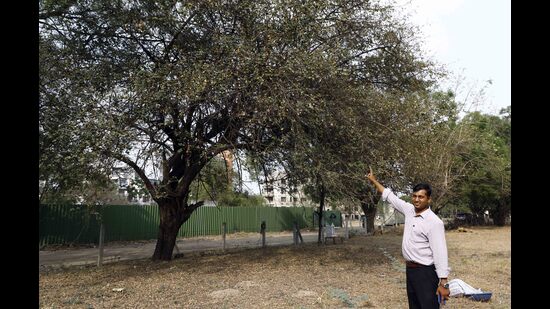
“The objective of this heritage walk is to tell the story of why this Baner ber is popular. The walk is along the trail of the ber trees, and includes meeting and talking to the native residents of Baner who remember the story of this ber and who have lived to taste it and helped keep its heritage alive,” said Pravin Thete, who works as a senior trainer of agriculture and gardening for an NGO, ‘Lend a Hand India’.
Thete has documented 54 varieties of wild berries or ber or bor in this region in terms of colour, taste, and quantity of fruits that the trees yield. He has successfully collected more than 7,000 ber this year to keep this wild native of Baner alive.
“If one looks at the geography of Baner, it is situated at the sangam of two rivers flowing through the Sahyadri mountains and has very fertile land, nutritional black soil which is very good for cultivating the Baner ber. This too will be highlighted in the walk,” said Thete.
Since 2018 when a census was conducted by Thete as part of his study on wild fruits, 51 trees existed out of which around 10 have been lost to road widening but nearly 70 to 80 saplings planted at Baner tekdi and its surrounding areas, on the banks of Ram nadi and Someshwar wadi, are growing very well. Since then, Thete has also found that the ber tree has been growing naturally from seeds dropped by birds in transit.
While in Maharashtra, 1,000 Baner ber trees are finally flowering, it will take five to eight years for them to bear actual fruit. However, it is good to know that the efforts taken to make this wild fruit tree survive are paying off. The ber, a type of Indian jujube, is a wild fruit locally known as bor or bora. Some years ago, there were one lakh ber trees but the count has dropped drastically. Thete is passionate about keeping this native wild fruit tree alive and has been religiously collecting and working on seed banks of this sweet-and-sour wild fruit also known as kharki bor, khobri bor, narali bor and nadikathchi bora.
“With urbanisation, many of the trees have been lost but we are trying to save them by using seed banks to help them grow. Since this is a wild fruit tree, its fruit-bearing is very slow and takes five to seven years, especially in case of trees planted recently. But the older trees, which are still alive, bear fruits from October to February,” said Thete, hoping to see more trees survive and bear fruit to keep the heritage of Baner ber alive.


