
 E-Paper



‘Jharkhand would recommend SC to remove 50% cap on reservation’: CM
Jharkhand is the second state after Rajasthan which would ask the Supreme Court to remove the 50 per cent cap on reservation in government jobs.

 Prefer HTon Google


The Jharkhand government would recommend the Supreme Court that the state is a votary to remove the 50 per cent cap on the reservation for the ST, SCs and OBCs in government jobs, chief minister Hemant Soren said on Friday.
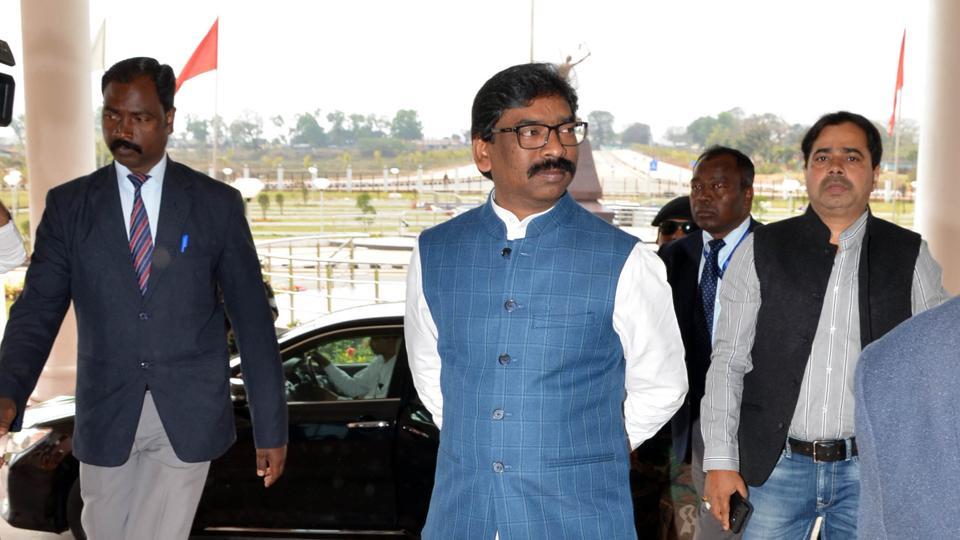
Giving his reply to the budgetary discussions in the Jharkhand assembly, chief minister Soren said the apex court has sought views of all states on the issue and they would put forth their opinion accordingly.
“Few states had crossed the barrier of 50 per cent, following which the respective high courts had quashed the decision. States have appealed in the Supreme Court. The apex court has taken cognisance and has now sought opinion over the removal of the 50 per cent cap from all the states as it’s a national issue. We have decided that we would recommend going beyond the 50 per cent cap,” said Soren.
Jharkhand is the second state after Rajasthan which would ask the Supreme Court to remove the 50 per cent cap on the reservation which was imposed in 1992 in the Indra Sawhney case that upheld the reservation to other backward classes.
Increasing reservation, especially to the other backwards classes (OBC) in the state, has been a long-standing demand. All major parties, including the BJP, the JMM, the Congress, the AJSU Party, the JVM (P), had promised to increase the OBC reservation in the state, which currently stands at 14 per cent.
The reservation to scheduled categories in Jharkhand is currently capped at 50 per cent, besides the 10 per cent quota to the EWS (Economically Weaker Section) in the general category. While the Scheduled Tribes (ST) get a 26 per cent quota, Scheduled Castes (SCs) get 10 per cent and OBCs have 14 per cent reservation.
In the run-up to the 2019 polls, the BJP promised to increase reservation to the OBC in proportion to their population and within the ambit of the constitutional provisions. Other major players, including the JMM, the Congress, the JVM (P) and the Ajsu Party, had promised to increase the OBC reservation to 27 per cent in their election manifesto.
The ruling JMM, which is the lead party in the incumbent JMM-Congress-RJD combine government, had also promised to increase reservation for STs and SCs by 2 per cent each, besides increasing the OBC quota.
In his hour-long speech in the assembly, the chief minister elaborated on the plans of his government which he said, “would give a direction to the state” and help in achieving the purpose for which the state came into existence two decades ago after a long movement.
As the CM launched a scathing attack on the BJP and the alleged ‘misadventures’ during the previous Raghubar Das regime, BJP legislators staged a walkout from the house and the CM gave most of his speech in the absence of opposition members.


