
 E-Paper



Unlock 1.0: P’kula goes beyond Centre’s guidelines to prevent Covid-19 surge
Will be testing all those coming to the district from states like Gujarat, Delhi and Mumbai, where the number of cases are high. The central government guidelines only advise 14-day self monitoring for such travellers.


With the first phase of the country’s unlocking plan kicking in, Panchkula authorities are going beyond the central government’s guidelines to ensure that the number of cases in the district don’t surge.
This includes mandatory testing of all those coming to the district from red zone states like Gujarat, Delhi and Mumbai, where the number of cases are high. The central government guidelines only advise 14-day self monitoring for such travellers.
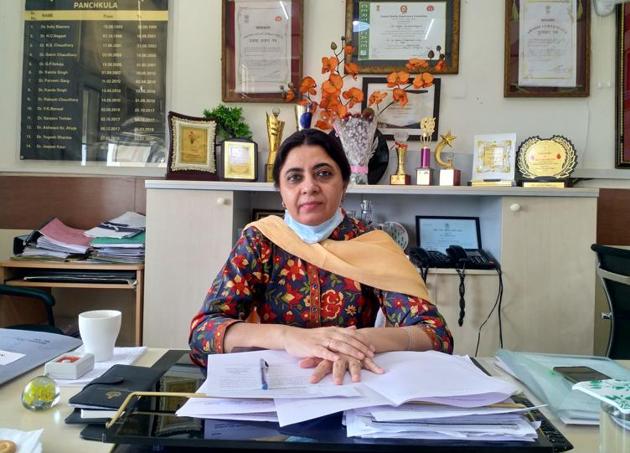
Panchkula civil surgeon Dr Jasjeet Kaur says, “With the lockdown beginning to be eased and people coming from far off places, especially those returning from abroad, we are worried there is likely to be a surge in cases. Our first experience-- 27 of the 73 US deportees who reached here were found positive-- has shown this. So now, we are gearing up to deal with the influx.”
She said that the plan is “quite streamlined”. “People are coming back through three modes-- air, rail and road. For international travellers, the system will be as per the central government’s guidelines – seven days’ facility quarantine and seven days’ home quarantine. As soon as they reach, they will be placed in four designated hotels in Panchkula, their sampling will be done and if they are negative after seven days, they will be sent for home quarantine of seven days.”
For domestic travellers coming from red zones, the district will conduct mandatory testing even though the central government guidelines don’t recommend this. “For others, it will be 14-days self-health monitoring but they all will have to download an app developed by the Panchkula administration to help in tracking,” the civil surgeon said.
Arrangements have also been made for extensive screening of passengers at Panchkula and Kalka railway stations. “We will conduct thermal scanning of every passenger exiting from the station and those with symptoms will be sent to the mobile medical unit stationed nearby. They will take a call on whether to put a person in isolation or not,” she said.
Besides, the authorities will also be reaching out to the residents’ welfare associations to help keep tabs on those coming in their personal vehicles. “The idea is not to scare them, but rather to motivate and educate them to report promptly if they develop any symptoms,” she said.
So far, with 26 positive cases and zero deaths, Panchkula has managed to fare much better than its neighbouring cities Chandigarh and Mohali.


