E-Paper



Still dirty, Delhi has just three years to clean up, meet Swachh deadline
Successive surveys, including the government’s own, ranked the national capital among India’s dirtiest cities this year.


Two years into the Swachh Bharat Abhiyan, one expected Delhi to get a little cleaner.
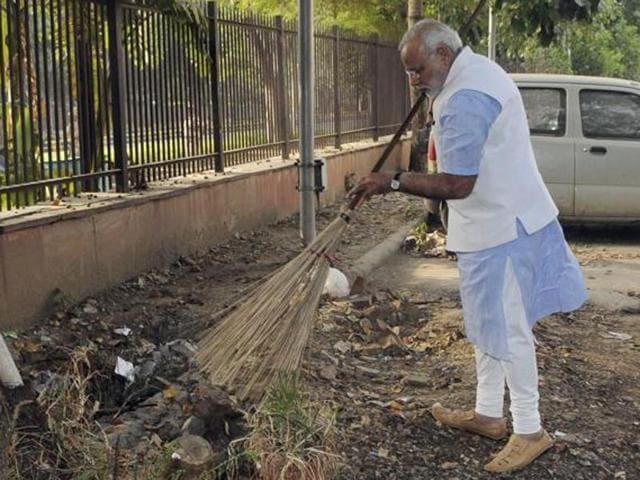
It is here that the Prime Minister launched the campaign in 2014, and cabinet ministers, government officials and sundry politicians took the cleanliness pledge. The civic agencies and the AAP government, who rarely agree on anything, came together to launch the Swachh Delhi App for citizens to upload photos and report garbage pile-ups.
But successive surveys, including the government’s own, ranked the national capital among India’s dirtiest cities this year. The New Delhi Municipal Council area, a tiny VIP enclave, ranked four. But the other three municipalities that make up 98% of Delhi ranked between 39 and 52 in the 73-cities survey.
Local Circles, a citizen engagement platform, asked people if their city showed any improvement in civic sense, availability of public toilets, if the drains and streets were regularly cleaned and measures taken to control mosquito breeding. The online poll ranked Delhi at the bottom.
Swachh Bharat could have been a wake-up call for Delhi that has long made peace with putrefying garbage, littering, spitting and peeing and defecating in the open. But it continues to be business as usual in the Capital.
Read: What Swachh Sri Lanka tells us about cleanliness
The Swachh Bharat campaign was supposed to be a break from the usual symbolism of VIPs gathering at Rajghat for morning prayers. But thanks to the politician’s love for the camera, the campaign has often been reduced to just that. A dirty neighbourhood, a dusty government office or even a clean spot dirtied on purpose is on every broom-wielding politician’s itinerary on October 2.
The government involved top celebrities for endorsements. In the past, Delhi has seen many of them picking plastic bags from the Yamuna banks, taking the Metro to promote public transport or holding placards on safe driving only to disappear the day after. The Capital needs long-term, real brand ambassadors. Who could be better than the rag-picker to drive home the point that it takes a lot more than symbolic photo-ops to clean up cities.
The government-sponsored comic book invoking the ancient Hindu tradition of cleanliness and actor Kangana Ranaut’s cameo as goddess Laxmi abandoning an unclean city hasn’t worked with the litterbug. The fines for littering remain too low and poorly enforced. The Bill to increase spot fines from R50 to R500 has been pending for years.
The Swachh Bharat was a good opportunity to have stricter laws, raise a litter police of volunteers and ensure that the sporadic week-long drives continued round the year. Two years on, Delhi is still waiting.
One could argue that population pressures, poverty and infrastructure gaps brings Delhi down on the sanitation index. To tackle that, the AAP government has promised 200,000 toilets in its five-year tenure. One year to the civic polls, the municipalities have already inaugurated a few hundred.
But building toilets has always been the easy part. Getting running water, power and maintaining cleanliness even in the existing ones is the challenge. At least 40% of Delhi’s informal settlements that need these toilets do not even have sewerage connections.
Read: What makes Sindhudurg India’s cleanest district?
Garbage disposal remains another challenge. With rising incomes, Delhiites are not only consuming more, they are also discarding more. The existing dumpsites have long run out of space and there is no space for new ones. By 2021, Delhi will need an area the size of the Luytens’ Zone to accommodate its mountain of waste.
The Clean India campaign should have come with a plan to reduce the quantity of waste going into the landfills. Recycling and composting of biodegradable garbage right in homes is the best way to do it but our civic bodies have no clear strategy yet.
To begin with, Delhi needs to set consumption reduction targets. The New York City government, for instance, is promoting living “a less disposable life”, engaging citizens to meet the target of zero landfill waste and 90% waste reduction by 2030. But our authorities are yet to make recycling mandatory for residents.
The Swachh Bharat’s mission aims to clean up India before the 150th anniversary of Mahatma Gandhi in 2019. There is still time for Delhi to catch up. But along with funds and stricter rules, it will also require a cultural shift.