


 Live Score
 Cricket Teams
 Cricket Players
Dukes no longer the lord it used to be; balls in ongoing Test series a disappointment: How is it different to Kookaburra
Many players in both teams have expressed their frustration at the quality of Duke's Ball in the ongoing Test series between England and India.

 Prefer HTon Google


There was a time when Virat Kohli and Umesh Yadav, among others, advocated the use of Duke’s balls for Test cricket in India. When Jasprit Bumrah insisted that he enjoyed bowling the most with the ball of the same make, compared to the Kookaburra used in most parts of the world or the SG Test, which is the preferred choice in India.
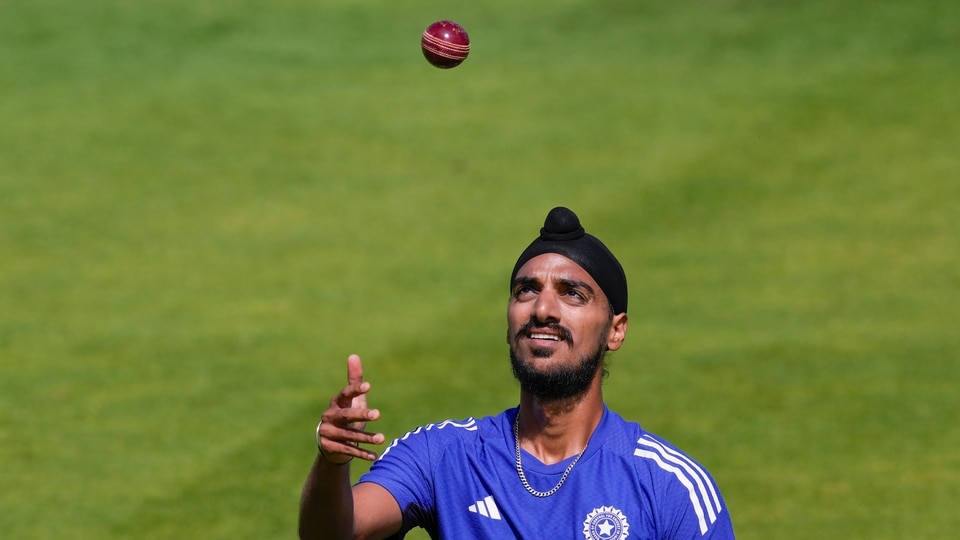
Not anymore. The Duke’s has been the object of much scrutiny and condemnation over the last three weeks. It has facilitated massive scores in both County and international cricket – at the start of the season, England discard Dom Sibley scored a triple-hundred for Surrey, who amassed more than 800 runs against Durham, while the runs have flowed in the ongoing Test series between England and India. The bowlers’ woes have been heightened by the ball going out of shape very early and often, or becoming impossible to use as an attacking choice after 30 overs once it gets softer and does nothing off the seam.
Also read: Shubman Gill poised to break 4 Don Bradman world records standing for nearly 100 years; set to beat Kohli, Gavaskar
THE CONTROVERSY
There have been numerous complaints from both India and England about the quality of the balls being used in this series. Players have constantly tried to engage the umpires in a bid to change the ball, which quickly and visibly goes out of shape but still passes the ‘hoop test’. The umpires have rings through which they try to slide the ball to see if it has retained its shape. If the ball passes through the rings, they are deemed fit to be continued to be used.
Ben Stokes, the England captain, called for Duke’s rings to be used to test the shape of the Duke’s balls while Rishabh Pant, the Indian vice-captain, said he was happy with any make so long as the rings were smaller! It’s got to a point where players saying ‘It is what it is’ and getting on with the job, realising that their cries for a more responsive ball are falling on deaf ears.
Not too long back, the Duke’s used to be a handful even past the 60-over mark. It’s hand-stitched and prominent seam assisted movement in the air and off the surface, and it was impossible for batters to feel set even if they were in their 70s or 80s. Now, batting has become fairly simple – if that is possible – after 30 overs. A similar trend was witnessed in Australia over the winter with the Kookaburra, but the pitches Down Under had a lot more for the bowlers, which made for a more even contest between bat and ball.
Here in England, with a definitive slant towards Bazball and the need for flat tracks to facilitate that brand, surfaces have been dull and lifeless. Consequently, while the batting average in the first 30 overs of an innings throughout the series is in the mid-40s, which isn’t inconsiderable, they climb to 100 between overs 31 and 80, when the second new ball is available. Because there isn’t much by way of movement, batters have been more in control in the first eight innings if this series than ever before, translating to mor than 80%. All of this combines to serve a grim picture of the efficacy of the Duke’s ball in its current avatar. Fall from grace? For sure.
Here, meanwhile, is a look at some of the differences between the Duke’s and the Kookaburra and what unique characteristic each of the cherries boasts:
THE STITCHING
The Kookaburra is largely a machine-stitched balls on the two outer rows even though the two inside halves are hand-stitched together. Its seam is embedded on the surface and therefore flattens out much more rapidly, which means it doesn’t swing as much or for as long.
The Duke’s is a hand-stitched ball in its entirety. Consequently, the thread is more pronounced and lasts longer, which translates to the ball swinging more than its Australian counterpart (or, at least, it used to).
THE SEAM
The two halves of the Kookaburra are bound together by the hand-stitched middle rows, which therefore precludes holding the ball together firmly and prevents it from retaining its shape and hardness longer.
The Duke’s has six rows of stitching to hold the two cups which form the ball together, which makes it stronger and helps it stay harder and rounder for long periods.
THE PITCH AND THE WEATHER
Clearly, these variables have a big say in how the ball behaves. The Kookaburra doesn’t reverse a great deal if the pitches aren’t abrasive enough and there are no practice pitches on the playing arena.
The Duke’s, which retains its shine for extended periods owing to the lacquer, used to be a bowler’s ally until recently, when its burgundy was visible even when the ball was 50 or 60 overs old. It tended to also move laterally when there was even a fair sprinkling of grass on the surface.


