


 Live Score
 Cricket Teams
 Cricket Players
ICC brings major World Cup format overhaul with expanded ODI path and knockout-heavy T20 Super 10 stage from 2028 onward
ICC has revamped men's ODI and T20I World Cup formats, introducing Super 7, Super 10 and eliminators while reshaping the 2028 qualification pathway.

 Prefer HTon Google


The International Cricket Council has approved major changes to the formats of the men’s ODI and T20 World Cups, introducing additional competitive stages and greater rewards for teams finishing higher in their groups.
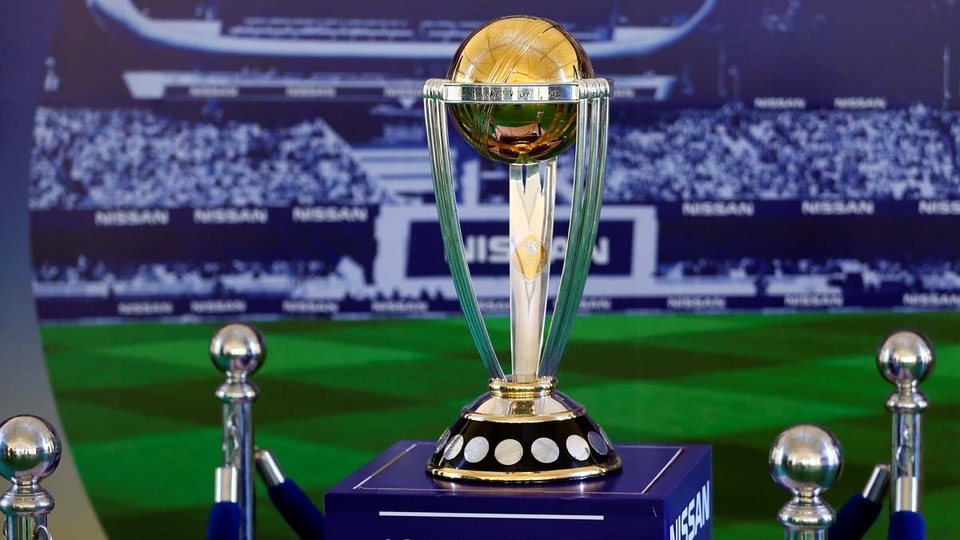
The decisions were taken at the ICC Board’s annual meetings in Edinburgh after recommendations from the Chief Executives’ Committee. The governing body said the changes were designed to create more meaningful contests, improve competitive standards and increase the consequences of matches throughout its marquee tournaments.
ODI World Cup to expand to 57 matches
The Men’s Cricket World Cup will remain a 14-team competition but will now be played across three rounds before the semi-finals and final.
Round 1 will feature the teams ranked 12th, 13th and 14th in a three-team round-robin “Super Series”. The top team from this stage will progress to Round 2.
The remaining 12 teams will then be divided into two groups of six, with 30 matches played during the second round. The top three teams from each group will qualify for the Super 7, alongside the next highest-placed team across the two groups.
The seven qualified teams will play a complete round-robin Super 7 stage consisting of 21 matches. The top four teams will advance to the semi-finals, with the first-placed side facing fourth and the second-placed team meeting third.
The revised World Cup will contain 57 matches: three in Round 1, 30 in Round 2, 21 in the Super 7, two semi-finals and the final.
Under the previous format, the 14 teams were divided into two groups of seven, producing 42 matches. The top three from each group entered a nine-match Super Six stage before the semi-finals and final, taking the tournament total to 54 matches.
T20 World Cup introduces Super 10
The 20-team Men’s T20 World Cup will retain its 55-match schedule but undergo a major structural change. Instead of four groups of five, the opening stage will feature five groups of four teams. The top two from each group will progress, reducing the first stage from 40 matches to 30.
The 10 qualified teams will then be divided into two Super 10 groups of five, producing 20 matches. The winner of each group will qualify directly for the semi-finals. Teams finishing second will face the third-placed side from the opposite group in two eliminators. The winners will complete the semi-final line-up.
New qualification pathway approved
Teams that participated in the 2026 T20 World Cup but failed to qualify automatically for the 2028 edition will enter the Global Qualifier directly. Scotland will receive direct entry into the Europe Regional Final due to exceptional circumstances surrounding its 2026 participation.
Eight additional Global Qualifier places will come through regional events: two each from Africa, Asia and Europe, and one each from the Americas and East Asia-Pacific. The highest-placed team from each region, along with the next three best teams overall, will qualify for the 2028 World Cup, subject to minimum performance criteria.
The ICC Board has also endorsed a proposed 16-team global tournament for associate nations. Final approval will follow a review by the Finance and Commercial Affairs Committee at the ICC’s November meetings.


