


 Live Score
 Cricket Teams
 Cricket Players
Only 25, Day-Night Tests have a long way to go
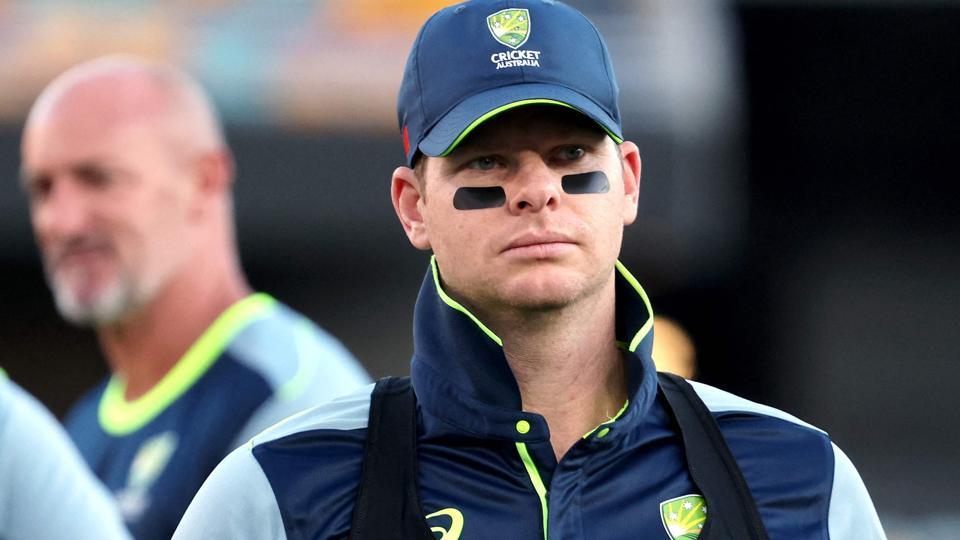
Steve Smith sports eye blacks ahead of the Ashes, highlighting Australia's dominance in day-night Tests, a format still struggling for global acceptance.


Kolkata: Steve Smith wearing ‘eye blacks’ on his cheek bones in the build-up to the second Ashes game starting at Brisbane’s Gabba on Thursday gives Test cricket a touch of American gridiron football that the ICC would have loved to cashed in on. But 10 years since it began with a lot of fanfare, day-night Test cricket is yet to cement its place in the international ecosystem.
Barring Australia though, who have hosted 13 out of the 24 pink-ball games played till date. Pit that against the three hosted by India, and one each by England and South Africa (both in 2017) and the disparity is too glaring to ignore on the eve of the 25th day-night Test.
It’s not as if the results have dissuaded the hosting of pink-ball games. Australia have won 13 of the 14 Tests they have played, the only loss coming against West Indies at the Gabba last year. India have won all three Tests, that too by huge margins — an innings and 46 runs against Bangladesh in 2019, 10 wickets against England in 2021 and 238 runs against Sri Lanka in 2022. The South Africa Test ended in two days, and England won by an innings and 209 runs against West Indies at Birmingham.
And yet, only Australia have ensured that the day-night Tests are an integral part of their cricket calendar.
The biggest reason behind that is perhaps how they have cracked the code of playing this format of Tests. Win the toss, bat first, score big — Australia have used this formula to win on all the seven times they have batted first, scoring 400-plus totals in six of those games. In the last day-night Test, India won the toss and batted first but failed to exploit the opportunity as they were dismissed for 180. In reply, Australia put up a formidable 337 before India were dismissed for 175.
“Winning the toss and batting is pretty crucial in the pink-ball Test, in my opinion,” former England fast bowler Stuart Broad said on the “For The Love of Cricket” podcast. “That’s why I think it is quite important to bat first because even if you are bowled out by tea when it’s starting to go dark, you have a brand new ball under lights. And if you bat well, you can control when you bowl in the game and in the day.”
Australia know how to bat under the lights at home, as is evident from the average of Marnus Labuschagne (83.55), Travis Head (64.57) and David Warner (54.91). More significantly, they have mastered the art of bowling with the pink ball. Ask Mitchell Starc, who is the most prolific bowler with 81 wickets at an average of 17.08. The speed picks up a few clicks with the pink ball but it’s actually the consistency of swing that he extracts which makes Starc so dangerous.
“Starc does not swing the pink ball more than the red. In fact, he swings a new red ball more than a new pink one,” wrote BBC columnist and former England pacer Steve Finn. “However, Starc keeps the pink ball swinging for longer. He gets more movement in the air in his second, third and fourth spells with a pink ball than he does with a red.”
More challenging though is the glare of the pink ball under the lights that has prompted Smith to use the anti-glare strips like former West Indies batter Shivnarine Chanderpaul. Alastair Cook in his Sunday Times column elaborated on how the glare can affect batters. “When the floodlights shine off the pink leather, it distracts from focusing on the black seam – and if you can’t see the seam as a batsman, you’re in big trouble,” he wrote.
That this was a worldwide problem for batters has been pointed out by Virat Kohli. “When the sun is out the ball doesn’t do much. But when it starts to get dark, especially during that twilight period, it gets very tricky,” Kohli had said before the Ahmedabad Test in 2021. “The light changes. It is difficult to sight the ball. Then under lights it is like playing the first session in the morning in a normal Test. The ball does tend to swing a lot. It is a reversal of roles and something you need to adjust to quite quickly as a batsman.”
Bowlers love day-night Tests, batters not so much. Australia have somehow tweaked this to their advantage at home, relying on the likes of Starc. It validates the one-sidedness of the results — they haven’t won by less than eight wickets or 120 runs since 2017— as well as the brevity of most day-night Tests.
That only Australia have been able to weaponise this format of Tests so successfully underscores their will to go to any length to make touring them so challenging. Wait a few days and Australia might have another win. But it’s unlikely to make day-night Tests a more regular affair anytime soon.


