
 E-Paper



Living on waste: 1,500 families lose livelihood as Delhi’s Ghazipur site shuts down
After two people were killed when a portion of Ghazipur’s garbage dump collapsed in east Delhi on September 1, L-G Anil Baijal banned anymore disposal of waste there


Standing at the entrance of her shanty built out of items that Delhi discards, 48-year-old Ambiya Bibi looked perplexed.
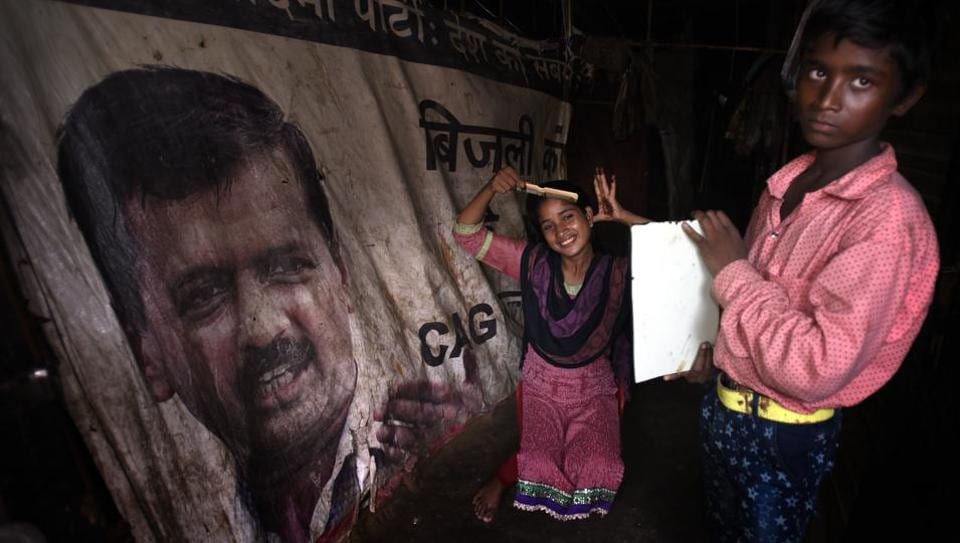
She has not just lost her only source of meagre income, but her nine-member family has also been robbed of their livelihood and now faces an uncertain future.
“We didn’t just earn by selling the waste which we collected from the Ghazipur dumping yard. It used to help us run our families and was a source of food, shelter and clothes. Now, we really don’t know where to go and what to do tomorrow. The security guards at the dumping site are not allowing us to go inside,” said Ambiya a resident of a a slum adjacent to the dumping yard.
Lieutenant-Governor Anil Baijal ordered closure of the landfill site, which till last Thursday received around 3000 metric tonnes of waste. On Friday, two people died after tonnes of waste came down like an avalanche in a collapse that triggered a fresh debate over the Delhi’s oldest garbage site.
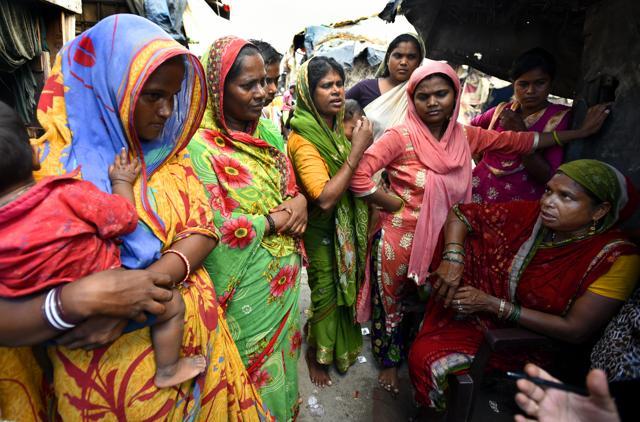
The site is now out of bound for these 1500-odd families who used to depend on the city to discard its wastes in a bid to run their own families.
“Rag pickers are an important link in the city’s recycling industry as they help to recycle and nearly 40 items from plastic bottle to metals. The Ghazipur dumping site could have been much worse had these community of rag pickers not recycled nearly 25% of the products,” said Chitra Mukherjee head of programs at Chintan, an NGO.
Locals said while plastic sheets found at the dumping site were used to make the roof of shanties, sheets of tin were used to construct the walls. Pieces of wood and logs were used as fuel for cooking. Other items such as food and clothes were also collected – not to be sold to traders in lieu of money, but to be used by the rag pickers children and family.
“We used to scavenge for food which we cannot buy. Just five days ago, I found a half-eaten chocolate in a polythene bag and my friend Parveen had an apple, half-eaten though,” said 14-year-old Shabana with her eyes glistening and big smile on her face.
The Solid Waste Management Rules 2016 talks about integration of this unorganized sector – rag pickers and waste dealers - in the formal system. The task of integration should be done by state governments and self help groups. Little has been done till date to implement this.
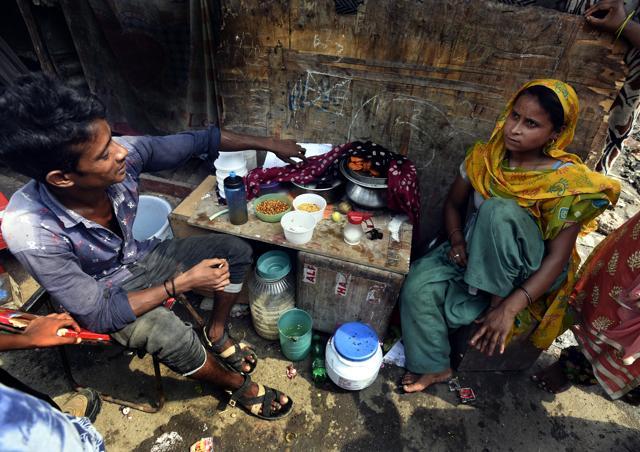
“The government has recognised them. Now they should be integrated with the formal system. The only way that this large human force could be utilised and integrated is to develop a decentralised segregation at source system. The rag pickers could be trained to become a stakeholder in this chain,” said Swati Sambyal program manager (waste management) at Centre for Science and Environment.
But more than the promise of a long-term solution, it is the fear of an uncertain tomorrow that is giving this poorest of the poor people some sleepless nights.

Stay updated with all top Cities including, Bengaluru, Delhi, Mumbai and more across India. Stay informed on the latest happenings in World News along with Delhi Election 2025 and Delhi Election Result 2025 Live, New Delhi Election Result Live, Kalkaji Election Result Live at Hindustan Times.


