E-Paper



AIIMS facility to prevent risky falls in senior patients
The hospital recently started a dedicated facility for assessing the risk of falls and providing prevention therapy to elderly persons most at risk.

 Prefer HTon Google


At least one in every five elderly persons who come to the All India Institute of Medical Sciences (AIIMS) with a hip fracture each year have fallen in the bathroom, injuring themselves mainly due to loss of balance. To address this, the hospital recently started a dedicated facility for assessing the risk of falls and providing prevention therapy to elderly persons most at risk.
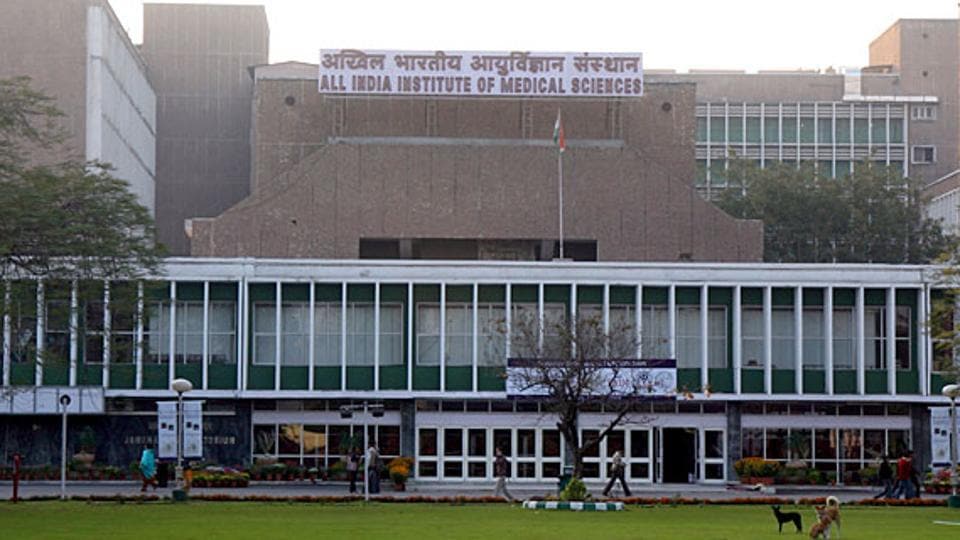
The facility — named SATHI (Save the Hip Initiative) — will be used to screen those above 65 who visit the orthopaedic and geriatric out-patient departments (OPDs). Those found to be at a higher risk of falling will be put on a specially designed rehabilitation programme.
“Imbalance leading to falls is a common old-age problem, and through this initiative, we will be training them to prevent falls so as to avoid sinister fractures. This will be a unique facility,” said Dr Rajesh Malhotra, head of orthopaedic department and chief of the Trauma Centre at AIIMS.
According to rough estimates, nearly a third of the people above the age of 65, and 50% of those aged 80 and above, will have a fall at least once a year. One out of 10 who fall will sport a fracture, making it important to put in place preventive measures.
“It’s the sixth leading cause of death among people over 65 years old. If it doesn’t kill you, then it will lead to serious health conditions needing hospitalisation. India’s aging population is increasing, so there is an added responsibility to ensure this section has a decent quality of life,” said Dr Malhotra.
There will be a dedicated physiotherapy team to run the facility. “It’s a small facility at the moment but we have adequate equipment to handle the rush. Each equipment can be used in many different ways. It will be a 6-8 week programme,” said Abha Kothari, chief physiotherapist at AIIMS.