
 E-Paper



Delhi Zoo to get white peafowl, leopard cat in largest ever animal exchange programme
The exchange programme would be one of the largest animal exchange programmes the Delhi Zoo had done in recent times, said its director.


The National Zoological Park in Delhi would be undertaking one of its largest animal exchange programmes in recent times. Nearly 200 animals, including tigers, hippopotamus, rhinoceros and various birds have been listed for the exchange.
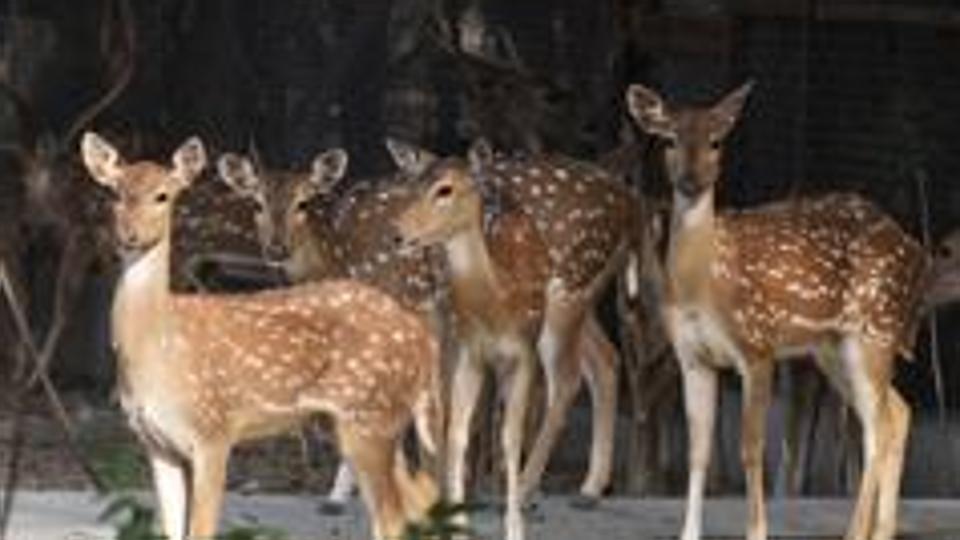
While on one hand it would help the zoo to bring in some new species such as leopard cat, fishing cat and white peafowl, it would also help the zoo authorities to clear its excess stock of deer and antelopes.
“We have got the permission from the Central Zoo Authority (CZA). It would be one of the largest animal exchange programmes the zoo has done in recent times. This would help us to bring in some new species,” said Renu Singh, director of Delhi Zoo.
The CZA, which is the apex body for all zoos in India, has a set of guidelines which all zoos in India have to follow while undertaking exchange programmes. Usually, the track record of the zoo is checked before granting such permissions.
While the Delhi zoo would be sending some of its peafowl, hog deer, civet and golden pheasants to the Sepahijala Zoo in Tripura, in exchange Delhi would get at least five leopard cats and five fishing cats among other animals.
While one female white tiger would be sent to the Lucknow Zoo, in exchange Delhi would get a male white tiger. Similarly, while one female rhino would be sent to Patna, in return Delhi would get one male rhino.
“The Delhi zoo, at present, has seven white tigers, of which five are females. This exchange with Lucknow zoo would help us to bring in some fresh genes which, in turn, will help prevent inbreeding. Same goes with rhino as we already have two female rhinos,” said Abhijit Bhawal, veterinarian of the Delhi Zoo.
The bulk of the programme would, however, include sending deer and antelope to national parks and sanctuaries.
“It is popularly known as ‘soft release’ where zoo-bred animals, which cannot survive in the wild, are kept in enclosures near national parks and sanctuaries. They are allowed to breed in these enclosures, which resemble wild habitats. The third or fourth generation is released in the wild as prey,” said Singh.
At least 60 blackbucks and around 50 chital would be sent for soft release to other states. The zoo authorities have already written to the head of the forest department of some states in this regard.
This would help dispose the excess population of deer and antelope. While the zoo presently has around 204 blackbucks and 108 chital, according to the Zoo’s master plan there should be not more than 20 blackbucks and 20 chital.
The Delhi would also be performing tubectomy and vasectomy, surgical interventions to control birth in both humans and animals, on blackbucks to control population for the first time.
“We have decided to perform tubectomy and vasectomy on blackbucks to control their population which has exceeded the limit. This is the first time that such birth control measures would be adopted in the Delhi Zoo,” said Singh.


Stay updated with all top Cities including, Bengaluru, Delhi, Mumbai and more across India. Stay informed on the latest happenings in World News along with Delhi Election 2025 and Delhi Election Result 2025 Live, New Delhi Election Result Live, Kalkaji Election Result Live at Hindustan Times.


