
 E-Paper



Delhiwale: The tea house of the poets
Founded in 1967, the Modern Tea Stall on Haveli Azam Khan street was lying shuttered since the coronavirus-triggered lockdown in March. It reopened a month ago.

 Prefer HTon Google


Old Delhi’s tea stalls make very milky and sweet chai. The venerable Modern Tea Stall with its not-so-modern wooden chairs and chipped china is different. Its tea is dark and kadak (strong). Founded in 1967, this atmospheric destination on Haveli Azam Khan street was lying shuttered since the coronavirus-triggered lockdown in March. It reopened a month ago.
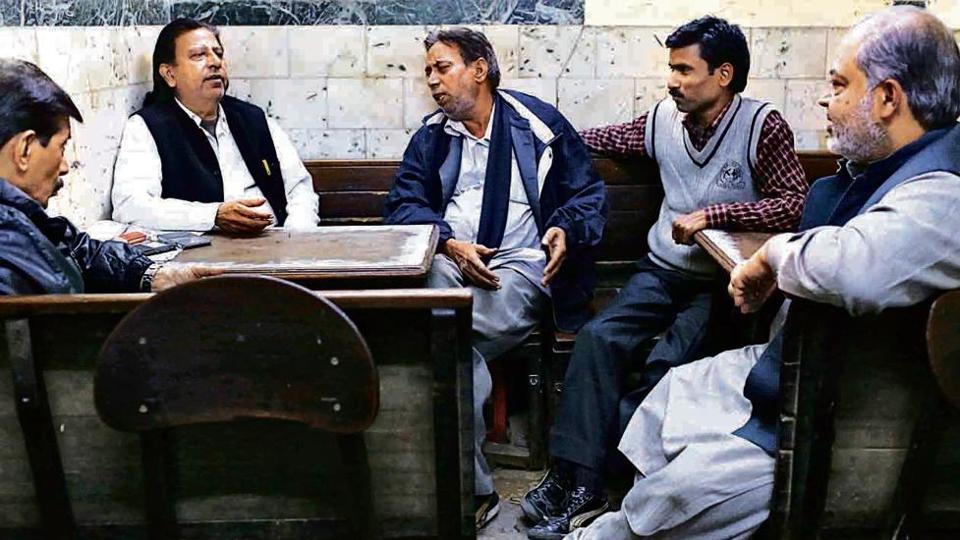
Before the pandemic changed the texture of everyday routines, some of the area’s distinguished verse writers would gather in the tea house every evening (see photo) to chat about the latest trends in contemporary Urdu poetry—as well as gossip about the private life of the poets. Indeed, the daily soirées of these faithful attendees were a most convenient gateway for an outsider to experience the Walled City’s vibrant hyperlocal literary scene. The eminences included poet and publisher Munir Hamdam of Turkman Gate Mohalla, (late) poet Rauf Raza of Chitli Qabar who made his living as an interior decorator, journalist Javed Mushiri of Ballimaran, poet Javed Niyazi of Kucha Rohilla Khan who runs a “rubber business” and poet Iqbal Firdausi of Baradari who manages a small factory of musical instruments such as “drum sets and harmonium parts.”
These days the tea house remains silent. Just like the grave man at the counter, who has an eerily quiet temperament. Dressed in white kurta, pyjama and topi, Muhammed Khaleel sits on a throne-like chair placed at the entrance, occasionally jotting on his notepad. “This is hisaab (balance sheets), not shayiri (poetry),” he clarifies.
Open by 7am, the tea house offers relaxing distractions. Those with a fascination for old objects might be mildly enchanted by an aged wall-clock. Or perhaps by the once-white tiles on the walls whose current shade resembles the yellowing pages of old musty hardbounds. Faded posters of famous Sufi shrines too draw attention. The tea house would stay open until about midnight with the aforementioned poets as its last customers. That’s how it used to be in the Before Corona, or BC, era. These days the poets don’t show up, and the place shuts by 8pm latest.


