
 E-Paper



Smog recedes, but poor air quality continues to plague northern India
An anti-cyclonic wind circulation that was depressing wind speeds has moved further south, allowing surface wind speeds to pick up over the weekend. The entry of dry cold northwesterly winds also ensured a dip in atmospheric moisture content.

 Prefer HTon Google


Pollution levels continued to remain high across the Indo-Gangetic plain, especially Delhi-NCR, although the smog showed signs of receding in most regions on Sunday.
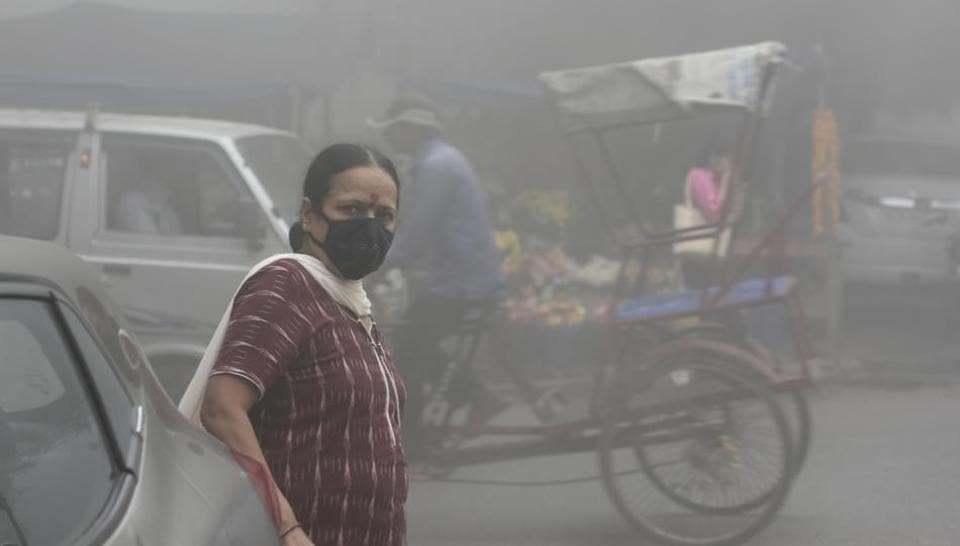
An anti-cyclonic wind circulation that was depressing wind speeds has moved further south, allowing surface wind speeds to pick up over the weekend. The entry of dry cold northwesterly winds also ensured a dip in atmospheric moisture content.
Slow wind speeds and high moisture content, combined with the presence of other pollutants, led to the formation of smog in the region over the past week.
However, air quality in the national capital is yet to reach tolerable levels. The air quality index (AQI) in Delhi hovered around 478 at 10 am, while Gurgaon stood at 456, Noida at 485 and Ghaziabad maxed out at 500.
The AQI ranges from 0 to 500, with 500 being the worst possible air quality. However, experts warn that even this does not capture the full extent of the problem.
The India Meteorology Department has predicted significant improvement in air quality next week, besides rainfall due to a western disturbance in northwest India.
“An induced cyclonic circulation is likely to form over West Rajasthan and adjoining Pakistan, with moisture incursion taking place in the region,” a release issued by the India Meteorological Department said.
Western disturbance refers to a system of low pressure that moves from the west to the east, bringing moisture from Eurasian water bodies. It is responsible for winter rain in northwestern India and snowfall in Himalayan tracts of the region.
The rainfall is expected to settle the pollutants in Punjab, Haryana and western Uttar Pradesh. Northwesterly winds blowing from inland zones will also bring cleaner air, flushing out pollutants.
Isolated pockets of Delhi-NCR are likely to receive rainfall on Tuesday evening and Wednesday. “A significant improvement in air quality is expected in Delhi from November 16,” said Mahesh Palawat, a meteorologist at the Skymet Weather Forecasting Services.
But some experts believe that while the showers will bring temporary relief from the pollution, they may do more harm than good in the long run. They say the rain will hike moisture levels, trapping pollutants and triggering fresh smog-like conditions in the following days.


