
 E-Paper



Air traffic controller ‘forgot’ it had sent aircraft for refuelling
Sources said that the Spicejet flight was ready since 6 am but due to low visibility it could not take off. Prima facie, it appears that it was the fault of the ATC but the DGCA team has asked for the transcript of the communication between the ATC and the two pilots to establish the sequence of events.


“My mistake,” shouted the air traffic controller (ATC) as the two planes of Indigo and Spicejet came to face each other on Tuesday morning at Delhi airport. The controller has been de-rostered and will not be on active duty till Directorate General of Civil Aviation (DGCA), the aviation regulator, completes the inquiry.
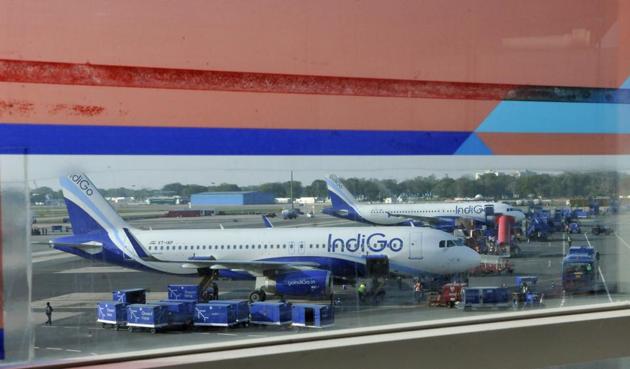
Sources said that the Spicejet flight was ready since 6 am but due to low visibility it could not take off. Prima facie, it appears that it was the fault of the ATC but the DGCA team has asked for the transcript of the communication between the ATC and the two pilots to establish the sequence of events.
“The engine was on and after 80 minutes, the pilot felt the need to refill the tank and requested the ATC for the same. The ATC allowed him to get on to the taxiway to move towards the fuel station. But, the same time, the Indigo plane had landed and was moving towards the same taxiway. The controller probably forgot that the Spicejet plane, which was stationary for 80 minutes, also started moving. This led to the confusion and they came in front of each other,” said an airport official.
Sources said the pilots saw the plane and applied the brake and an accident was averted.
According to the ATC, sometimes confusion in communication leads to such incidents. In ATC parlance, it is called the readback /hearback errors. “Sometimes the pilot is unable to get what the ATC officer is trying to say or vice versa. This can lead to airborne conflict, runway incursion, ground conflict and near midair-collision. Ideally, the flight crew should read back to the air traffic controller safety related parts of ATC clearances and instructions, which are transmitted by voice,” said an ATC official.
The ATC gives route clearances to pilots and instructions to enter, land on, take off from, hold short of, cross, taxi and backtrack on any runway should always be read back.
“We also ask ATC to listen to the readback to ascertain that the clearance on the instruction has been correctly acknowledged by the flight crew. They also need to take immediate action to correct any discrepancies revealed in the readback. This reduces incidents,” the official said.
In 2014, five instances were reported where lack of communication led to safety breach and number of incidents increases to 8 in 2015 and in 2016, till July five such cases were reported.

Stay updated with all top Cities including, Bengaluru, Delhi, Mumbai and more across India. Stay informed on the latest happenings in World News along with Delhi Election 2025 and Delhi Election Result 2025 Live, New Delhi Election Result Live, Kalkaji Election Result Live at Hindustan Times.


