
 E-Paper



Are you easily distracted? Put your phone away while studying
Uncontrolled use of digital devices can hinder exam preparations. Doctors say, parents must act mentors and help children understand their priorities to overcome online addiction.


New Delhi
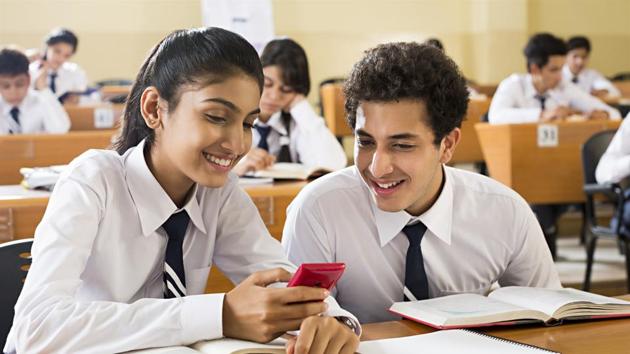
You know exams are less than two weeks away, but you can’t keep the phone down? And when you keep it away, you can’t stop yourself from checking your updates after each familiar ping? If the answer is yes, you need to a break from social media to maximise your academic output.
Is it online addiction?
Online addiction – overuse of a device, an app, website or an online game – is a form of non-chemical addiction that activates the same pleasure centres in your brain like other addictions, including nicotine and drugs.
“One can be said to be addicted when the internet takes over other priorities of life, in this case exams. Social media by itself is engaging and pleasurable and just like any other addiction, pleasure seeking results in the stimulation of the dopamine reward system, which gives a high like drugs. The more they use social media, the more stimulation they receive, the more they want to go back,” Dr Sameer Malhotra, director of mental health and behavioural sciences at Max Hospitals in Delhi.
And, children are more likely to develop the addiction. “It is easier for children to get addicted to internet and social media because their brains are not fully developed and they are vulnerable. They cannot set their priorities, they cannot keep a check on their use of social media even when they know that they really need to study for examinations,” said Dr Smita Deshpande, head of the department of psychiatry at Dr Ram Manohar Lohia hospital.
“Social media has text, photographs, videos – all of which provide stimulus to the brain making the activity addictive. But, the anonymity that sitting behind a computer offers makes the addiction easier and we will see many-fold increase in online addiction in coming years,” said Dr Nimesh Desai, director of the Institute of Human Behaviour and Allied Sciences.
Addiction to social media is likelier in children with lower self-esteem, the doctors say.
“When children are on social media, they feel a sense of belonging, like they are a part of a group of their peers. Children with low self-esteem see this as positive validation and want to keep going back to the social media websites. Children who have a compulsive streak and poor impulse control are also more likely to get addicted,” said Dr Malhotra.
Peer pressure also adds to it. “Children log into their favourite website or apps like it is their duty and one of the main drivers could be the feeling that they would miss out on what their peer are doing if they do not constantly check their WhatsApp messages or Facebook updates,” said Dr Deshpande.

What has to be done?
Parents should keep an eye on eating and sleeping habits of their children. “Lack of sleep and loss of appetite are the most common symptoms of any kind of addiction. Observe whether they are irritable and angry when you take their phone away. If you feel that your child is not his usual self, don’t wait, seek help immediately,” said Dr Deshpande.
Parents must act as mentors and help their children in understanding their priorities, scolding would not help.
“The best antidote for online addiction is real face-to-face communication. Talk to your child; encourage him to visit friends or family members. Encourage them to step out and participate in group activities like various outdoor games, dancing or singing,” said Dr Despande.
“We call this the alternate high. Playing games, especially in groups, also gives the same kick as online addiction. It is important for parents to make sure that the children experience it. Children nowadays have not experienced the joys of playing outdoors, so they don’t know how enjoyable the activity is. Also, playing in group removes the sense of isolation, which is one of the factors that drives children to reach out to social media,” said Dr Desai.
Managing the addiction during examination is essential. “If a child is addicted or is on the way to become addicted, it is difficult to just stop, instead they have to divide their time – keep time aside for checking the social media websites. But, this needs to be times,” said Dr Desai.

Stay updated with all top Cities including, Bengaluru, Delhi, Mumbai and more across India. Stay informed on the latest happenings in World News along with Delhi Election 2025 and Delhi Election Result 2025 Live, New Delhi Election Result Live, Kalkaji Election Result Live at Hindustan Times.


