
 E-Paper



For some, relocation is solution to Capital’s horrid air pollution
Alarming levels of air pollution forcing people like 45-year-old Dinesh Rawat to shift to cleaner, smaller towns though career opportunities are limited. In diplomatic circles, Delhi is seen as a tough posting by some.


When the pollution gets tough, the vulnerable get going. Out of Delhi, that is.
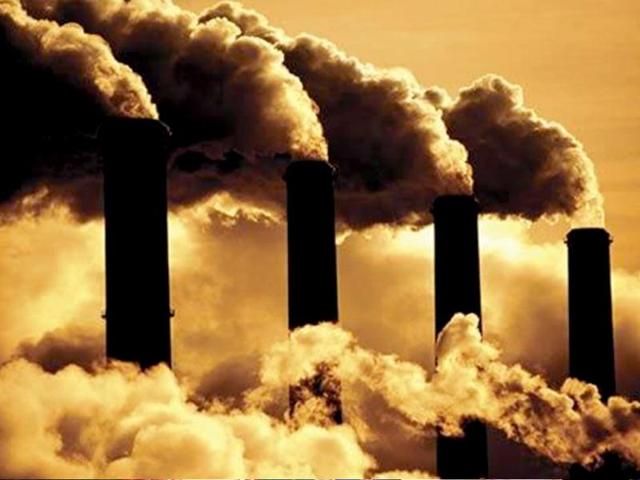
Alarming levels of air pollution forcing people like 45-year-old Dinesh Rawat to shift to cleaner, smaller towns though career opportunities are limited. In diplomatic circles, Delhi is seen as a tough posting by some.
“I had no option. It was getting difficult to manage expenses because of rising medical costs,” Rawat told HT from Dehradun. The IT engineer moved to the capital of the neighbouring hill state of Uttarakhand in December.
Both his son and daughter —aged 10 and 6 — had developed asthma and the condition aggravated in the last couple of years, coinciding with the rise in the concentration of fine particulate matter (PM). “Even the daily nebulizer dose was not working and they had to be hospitalised once a fortnight,” he said.
High exposure to particulates of 2.5 microns, fine enough to lodge deep in lungs and blood tissues, can trigger respiratory and cardiac problems. The WHO has declared polluted air a carcinogen.
Rawat’s doctor said moving to a cleaner city was the only remedy. “After much discussion, we decided to go back to my hometown, leaving a good job in Delhi,” he said. But, the shift has been rewarding.
There is a marked improvement in his children’s health. They now go out and play even during peak winter days -- a big no when they lived in west Delhi’s Rohini, where pollution this season has been three times above the safety limit.
Average PM concentration this winter has been recorded at 200 unit grams in a cubic meter of air, almost four times the national air safety standard.
Alok Dixit, 42, relocated to Bengaluru last year after a severe asthma attack. He worked with an IT firm in Gurgaon but lived in Delhi. “My daily commute was almost 60km a day and exposure to toxic air was high,” he said.
Dixit and Rawat are alone in choosing to opt out of Delhi, rated as the world’s most polluted city by the WHO in 2014.
The doctors that HT spoke to said many of their clients had left the city, as pollution was taking a toll on health.
A doctor with Patel Chest Institute in Delhi University said he often advised patients to leave Delhi during peak pollution period, normally in winters. “Even medicines will not work beyond a limit. Going to a place where air is cleaner helps,” he said, refusing to be named as he is not authorised to speak to the media.
A doctor of respiratory medicine in the government-run Ambedkar Hospital in Rohini has to hospitals his 17-year-old son every time heavy smog envelops the city. Last two winters have been bad. The teenager was forced to skip school and live with an uncle in Chandigarh, a city with much cleaner air. “My wife and I work for Delhi government and can’t quit the job or take long leaves,” he said.
Bad air is also a concern for diplomats. A French government official told HT in Paris in December that foreign service staff were reluctant to move to Delhi.
“People prefer Moscow or Colombo because of cleaner air, and not Delhi, even though India is much more happening,” an official said.
A US embassy official shared similar concerns and said the mission regularly issued advisories on air quality. The US is, in fact, going a step further by expanding to India an air-quality monitoring programme it started in Beijing years ago.

Stay updated with all top Cities including, Bengaluru, Delhi, Mumbai and more across India. Stay informed on the latest happenings in World News along with Delhi Election 2025 and Delhi Election Result 2025 Live, New Delhi Election Result Live, Kalkaji Election Result Live at Hindustan Times.


