
 E-Paper



Parks in Mumbai’s no-development zones? Experts not amused
Civic body, in its DCR 2034 released on Sunday, proposes no-development zones be opened for IT, amusement parks and tourist hubs.


While the Brihanmumbai Municipal Corporation (BMC) may insist that No Development Zone (NDZ) land will largely be used to build affordable homes, the Development Control Regulations (DCR 2034) released on Sunday, show this may not be true. Along with affordable homes, the DCR has now proposed a range of activities to be allowed on such lands, from Information Technology Parks to amusement parks and film production units as well as tourism development activities.
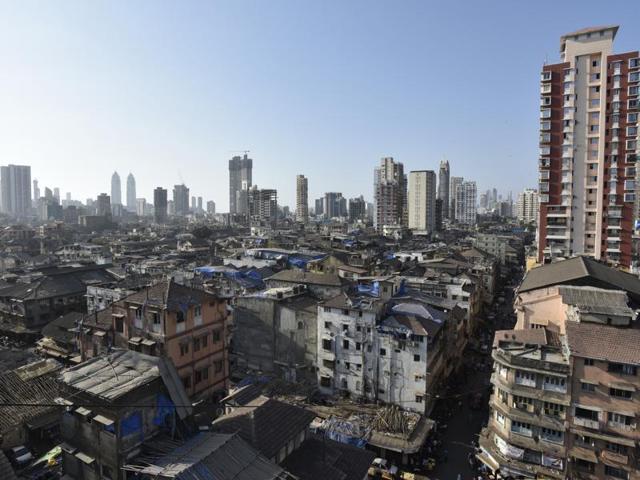
It doesn’t end there. The civic body has also proposed allowing construction of race tracks and golf courses under miscellaneous uses. If the contentious plans go through, experts argue it will increase density in an already congested city.
Although most of these categories were permitted in the 1991 DCR also, what makes a difference now is that the NDZ area has also been opened up to create affordable housing, open spaces and social amenities. The NDZ land owner has to develop these on 66% of the plot and hand it over to BMC. Development on the remaining 34% of the plot has been left to the owner. This means there is no clarity on what can be developed on a major chunk of NDZ areas.
Another reason why this becomes controversial is that the civic body has also increased FSI considerably from the previous DP. While the BMC has retained the base FSI of 1.33 in the island city and 1 in the suburbs, it has doled out higher FSI of up to 5 to a range of categories, from commercial buildings to hotels to municipal markets and IT parks. In the 1991 DCR, these categories had much lower FSI, ranging between 2 and 3.
The BMC released the chapters on NDZ, special provisions and floor-space index (FSI) on Sunday. While some of the categories under other development did find a mention in the 1991 DCR, experts say that increasing the scope of other development will result in densifying the city. Pankaj Joshi, executive director at Urban Design Research Institute, said, “Adding in so many elements will also mean increasing the need for public transportation and creating stronger infrastructure. This will result in dense development.”
The BMC’s plans for tourism and institutional development at Aarey was also opposed by experts. “Land that is rested with government agencies can be used for more fruitful purposes. Many gaothans have opposed the idea of tourism in NDZs. Also, citizens don’t require amusement parks and film productions on a daily basis. The state must look at creating them out of Mumbai,” said Aravind Unni, architect-planner, Hamara Shehar Mumbai Abhiyaan.

Stay updated with all the Breaking News and Latest News from Mumbai. Click here for comprehensive coverage of top Cities including Bengaluru, Delhi, Hyderabad, and more across India along with Stay informed on the latest happenings in World News.


