
 E-Paper



A good start by CJI Lalit
The Supreme Court has cleared 1,800 cases in four days, showing that pendency can be tackled effectively

 Prefer HTon Google


The first week of the new Chief Justice of India (CJI), Uday Umesh Lalit, has seen a flurry of activity in the Supreme Court (SC). The apex court, which was dogged by rising pendency of cases and irregular listing of some petitions, has disposed of 1,800 cases in the first four days of his tenure, this newspaper reported last week. In addition, CJI Lalit called a meeting of the full court — where all judges are present — where ways to fine-tune the justice delivery mechanism were discussed, constituted 25 Constitution benches to take up issues with far-reaching legal, social and political implications, and signalled that the top court was ready to not only reduce the pendency of cases, but also to take up any new matter that came before it expeditiously. “The Supreme Court will try to dispose of as much as you are capable of bringing before it,” CJI Lalit said in a lecture last week.
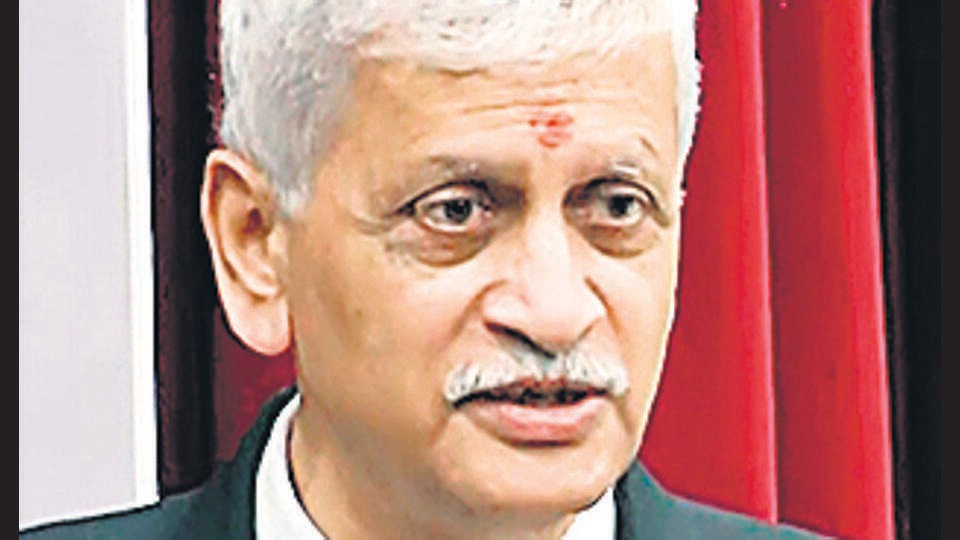
This is a welcome development. It shows that though pendency of cases is a chronic problem with India’s legal system that requires structural fixes and support from all stakeholders, gains can be made through more transparent, disciplined processes and administrative tweaks. This is especially important because during the tenure of the previous CJI, NV Ramana, the pendency of cases rose in the top court from 67,000 to 71,400, though this may be partially attributed to two pandemic-affected years. In a country where the courts often have to be the final arbiters of matters familial to national, a strong signal of efficiency, productivity and discipline from the top court is certain to percolate down the judicial branch and help citizens access justice better, and faster.
Three things merit notice. One, to sustain the momentum generated by this first week, CJI Lalit will need the help and support of not only his fellow judges but also the legal fraternity. Two, to achieve lasting change, the process of listing cases and the reasons behind them have to be freed from the shroud of opacity and arbitrariness. This need for transparency is urgent and important because clearer guidelines on how cases are listed will go a long way in helping citizens access justice. And three, a focus on administrative efficiency has to strike a balance with the careful deliberation that every case needs. India’s top court handles a multitude of cases that range from governments taking up constitutional issues to ordinary citizens who see the judiciary as their last recourse on matters of life and death. Its role as the final arbiter, therefore, demands that every case be given consideration and every petitioner their day in court.


