E-Paper



Osho's philosophy on desire and meditation offers a different view of success, explaining why having more may not lead to inner peace

 Prefer HTon Google


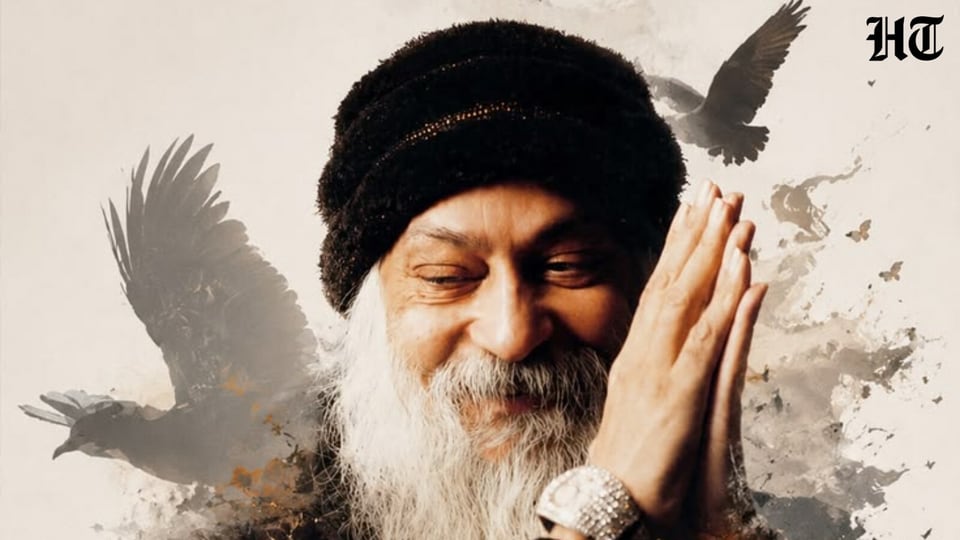
Osho's teachings suggest that the search for happiness can become endless when you believe that having more will finally make you feel complete.
You work hard for a promotion, earn enough to buy the home you once dreamed of and reach goals that once seemed far away. Yet, even after achieving these milestones, you may find that the sense of fulfillment you expected never quite arrives. The excitement fades, new ambitions take shape, and you begin working toward the next goal. Osho's teachings offer a different way of looking at this experience, suggesting that the search for happiness can become endless when you believe that having more will finally make you feel complete.
Osho, born Rajneesh Chandra Mohan Jain in 1931, was an Indian spiritual teacher known for his talks on meditation, awareness and human behavior. He encouraged people to examine their beliefs and understand their own minds rather than follow traditions unquestioningly. Although he died in 1990, his teachings continue to influence discussions about meditation and spiritual life.
How desire can keep you searching for more
Osho's view of desire begins with a simple idea: the problem may not lie in what you want, but in the constant need to want something else. He described desire as “the longing for what is not.” From this perspective, the promise of happiness always seems to sit just beyond your present circumstances.
You may believe that a better job, a larger home or greater financial security will finally bring peace of mind. Yet, once you achieve one goal, another may take its place. The object of your desire changes, but the feeling that something is still missing can remain.
Ma Dhyan Prachi, a meditation facilitator at Osho Dham, New Delhi, says this idea invites you to look beyond the things you hope to acquire and examine the desire driving your search. Rather than measuring your happiness by what you have achieved, you can begin to notice whether the constant pursuit of more is keeping you from appreciating your present life.
This does not mean that ambition or material comfort is wrong. Instead, Osho's teachings encourage you to question the expectation that the next achievement will finally make you feel complete.
Why running faster may not bring fulfillment
In a talk delivered in Pune in February 1976, Osho responded to a question about the feeling of being caught in a repetitive, unfulfilling life. The questioner compared his experience to that of an ox walking in circles around an oil press.
Osho used the image of Alice running toward a tree that never seemed to get closer, while the queen urged her to run faster. The story illustrates how effort alone does not always bring you closer to the satisfaction you seek. You can spend years pursuing one goal after another and still feel that you have not arrived.
When this dissatisfaction becomes difficult to ignore, you may respond by working harder, setting bigger goals or searching for a completely different purpose. You might even leave a successful career to pursue charitable work, hoping that a change in direction will bring the peace you have been missing.
Such changes can be meaningful, but Osho's perspective suggests that changing what you pursue may not be enough if the urge to keep chasing remains untouched.
Finding contentment without giving up ambition
Osho's teachings did not call for rejecting money or withdrawing from everyday life. Instead, he questioned the importance people give to wealth and possessions when they use them to measure their worth or determine whether their lives are successful.
You can work toward financial security, enjoy the comforts you have earned and continue to pursue meaningful goals without expecting them to resolve every inner conflict. The difference lies in whether your ambitions support the life you want to live or leave you feeling that you are never enough.
From this point of view, contentment does not require you to stop growing or give up what matters to you. It asks you to notice when the pursuit of the next achievement begins to overshadow your ability to appreciate the present.
How meditation can help you look within
Osho placed considerable emphasis on meditation as a way to become more aware of your thoughts and habits. He suggested that the mind is often caught in a constant movement of thinking, planning, remembering and wanting. When you begin to observe this activity instead of automatically following every thought, you create an opportunity to understand yourself more clearly.
“One reaches within by stopping, not by running,” is an idea that captures this approach. Rather than searching endlessly for something outside yourself to provide lasting satisfaction, you can make time to pause and pay attention to what is happening within.
Meditation does not mean that your thoughts must disappear or that you will immediately feel peaceful. It can simply involve sitting quietly, paying attention to your breathing and noticing your thoughts without judging yourself for having them. With regular practice, this may help you recognize patterns in the way you respond to stress, ambition and disappointment.
Prachi explains that Osho's approach to meditation encourages you to pause the constant mental activity that keeps you focused on what is missing. Osho's meditation techniques are also facilitated at Osho Dham, a meditation center in New Delhi that shares his teachings and approach to meditation.
Learning to recognize what success cannot provide
Feeling empty despite professional or material success does not necessarily mean that you have made the wrong choices. It may be an opportunity to reconsider what fulfillment means to you and whether your daily life reflects what you genuinely value. You do not have to abandon your ambitions, change your career or give away your possessions to explore these questions.
Osho's philosophy offers a reminder that the pursuit of success and the experience of inner peace are not always the same. Meditation can also be a shared experience. At Osho Dham in Delhi, meditation sessions take place throughout the year, offering opportunities to practice in a group and spend time in nature.
Disclaimer: This article explores Osho's philosophical and spiritual teachings for general information and reflection, and the ideas discussed should not be treated as scientifically established facts. Meditation may support self-awareness and relaxation, but it is not a substitute for professional care.