
 E-Paper



I have a wardrobe full of festive clothes, but I keep coming back to chikankari kurtas
From delicate embroidery to easy silhouettes, here's why chikankari kurtas remain one of my favourite choices for Indian dressing.


Research-Backed Choices
Every product we recommend is chosen through a combination of Primary Research and Secondary Research.
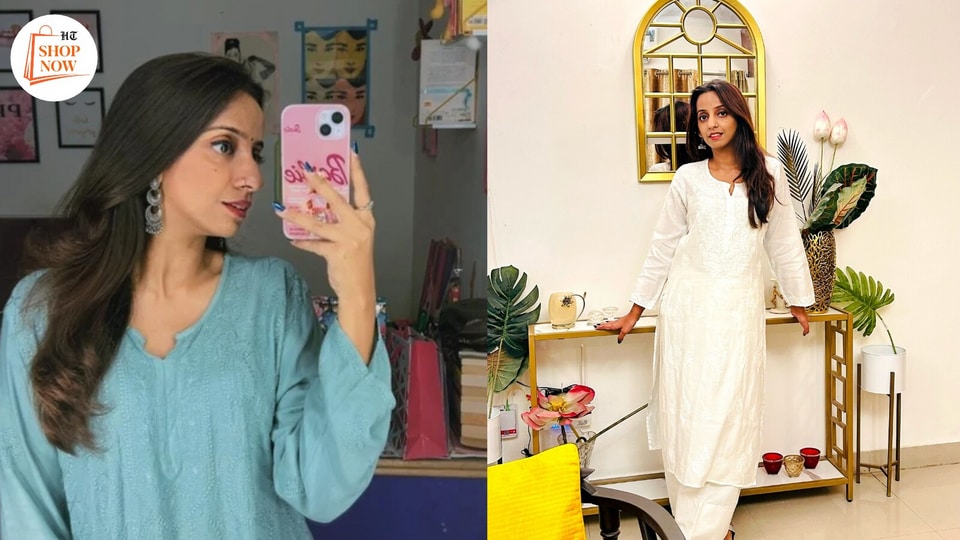

I love a beautifully embroidered lehenga. I will happily spend time admiring a dramatic saree, a gorgeous Banarasi weave or a festive outfit with all the embellishment one could possibly ask for. But when it comes to the clothes I find myself drawn to again and again, there is something about a chikankari kurta that wins me over.
Perhaps it is the delicate embroidery. Perhaps it is the way the fabric falls without looking overly structured. Or perhaps I simply love clothes that make me feel dressed up without making me feel like I have to spend the entire day adjusting them.
Whatever the reason, chikankari has a permanent place in my idea of a beautiful Indian wardrobe. And the more I think about it, the more I feel that it deserves to be appreciated for much more than its understated appearance.
The beauty of chikankari lies in the details
One of the things I find most appealing about chikankari is that it doesn't need to announce itself. Unlike heavily embellished outfits that rely on shine, sequins or elaborate surface work, chikankari draws attention through its embroidery.
The delicate stitches, floral patterns and subtle textures give the fabric character without making it look overwhelming. Even a simple white or ivory kurta can look incredibly elegant when the embroidery is thoughtfully done.
I particularly like the softer, more traditional-looking styles. There is something lovely about a flowing kurta with fine embroidery, a relaxed silhouette and just enough detailing around the neckline or sleeves. It feels feminine without being overly fussy.
And while white and ivory remain classics, pastel shades such as powder blue, blush pink, sage green and lavender can make chikankari feel fresh without taking away from its charm.
I would choose a comfortable silhouette over an elaborate outfit any day
There is a certain freedom in wearing an outfit that doesn't require too much thought once you have put it on. That's another reason I keep gravitating towards chikankari kurtas.
A lightweight, flowy kurta can be particularly appealing during long festive lunches, family gatherings or daytime celebrations. It gives you room to move, feels relatively effortless and doesn't need an elaborate styling routine to look put together.
I also like that chikankari works across different silhouettes. You can choose a straight-cut kurta with cigarette trousers for a more polished appearance, an Anarkali for a dressier occasion or an easy, relaxed kurta with wide-leg pants for a more laid-back look.
The trick is to find a silhouette that feels comfortable while still giving the embroidery enough room to stand out.
Chikankari is one of the easiest ways to dress up without overdoing it
Not every celebration calls for a heavily embroidered suit or a statement saree. Sometimes, a beautiful kurta set is more than enough.
For a daytime wedding function, I would pair a pastel chikankari kurta with wide-leg trousers, delicate earrings and embellished juttis. For a festive lunch, a white or ivory set with a colourful dupatta can look lovely without feeling too formal.
And if the occasion calls for something slightly dressier, there is always the option of adding a statement necklace, a pair of chandbalis or a contrasting dupatta.
I also like the idea of treating the kurta as a separate rather than always buying a matching set. A well-made chikankari kurta can be styled with different trousers, palazzos or even a contrasting skirt, giving it a little more wardrobe mileage.
What I look for when choosing a chikankari kurta
Not all chikankari pieces are the same, and I think the difference often comes down to the quality of the embroidery and the fabric.
Here are a few things worth paying attention to before buying one:
1. Look closely at the embroidery: Fine, consistent stitches and thoughtfully placed motifs can make a noticeable difference. Check the front, sleeves and neckline rather than judging a piece by its overall appearance alone.
2. Pay attention to the fabric: Cotton and mulmul are lovely choices for relaxed daytime dressing, while georgette and other dressier fabrics can work for more occasion-focused outfits. The fabric should suit the silhouette and the kind of use you have in mind.
3. Check whether it needs a lining: Some lighter fabrics can be sheer, so check the product details and whether a lining is included or needs to be added separately.
4. Choose a silhouette you will actually wear: A beautiful kurta is only a good wardrobe addition if you feel comfortable reaching for it. Think about whether you prefer straight cuts, flared styles or relaxed fits before making a purchase.
Chikankari kurtas:
A little less sparkle, a little more staying power
I don't think every outfit needs to make a statement to be memorable. Sometimes, the pieces that stay in our wardrobes the longest are the ones that feel most like us.
For me, chikankari sits comfortably in that category. It has the craftsmanship and detail of traditional Indian clothing, but it doesn't feel tied to one particular occasion or trend. It can be dressed up, worn simply, styled differently and brought out season after season.
And perhaps that's the real reason I keep coming back to it. When an outfit feels beautiful without demanding too much from you, it is difficult not to fall in love with it.
Similar stories for you:
Aneet Padda's gota patti suit is your cue to try this festive classic
Kate Middleton just made emerald necklaces irresistible again; 6 styles to shop
Katy Perry to Cardi B: 5 best-dressed stars at Baby2Baby Gala 2026
Disclaimer: At Hindustan Times, we help you stay up-to-date with the latest trends and products. Hindustan Times has an affiliate partnership, so we may get a part of the revenue when you make a purchase. We shall not be liable for any claim under applicable laws, including but not limited to the Consumer Protection Act, 2019, with respect to the products. The products listed in this article are in no particular order of priority.
Catch your daily dose of Fashion, Taylor Swift, Health, Festivals, Travel, Relationship, Recipe and all the other Latest Lifestyle News on Hindustan Times Website and APPs.


