
 E-Paper



A new pole in Indian politics
Efficient welfare delivery has helped the BJP expand nationally. But can it erase caste?

 Prefer HTon Google


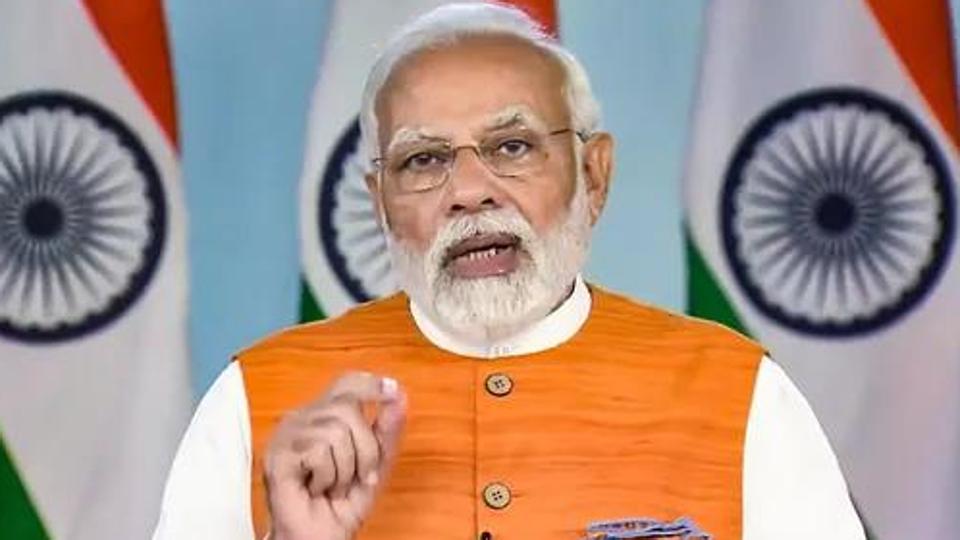
For decades, Indian politics was analysed by caste and faith with 2014 — which witnessed the first full majority government in a generation — marking an inflection point where mobilisation based on religion (Hindutva) trumped caste-based aggregation. But Prime Minister (PM) Narendra Modi believes that in the last eight years, the Bharatiya Janata Party (BJP) has been able to create a new pole, which is slowly outflanking caste: Efficient delivery of welfare. In an interview to Hindustan’s editor Shashi Shekhar, the PM made it clear the BJP was focused on getting electricity, gas, water, housing and government payouts directly to the people, thereby reducing their dependence on leaders of their own caste. This, the PM explained, was behind the party’s expanded outreach among communities that traditionally stayed away from the BJP, and the reason for its electoral victories and strong performances in frontiers it was either non-existent in or was a bit player. This kind of pro-people governance, he said, was the solution to caste politics.
Welfare politics is not new. MG Ramachandran created a generation of voters with his midday meal scheme in Tamil Nadu. But the Modi government managed to streamline delivery, expand it to multiple schemes aimed at touching every aspect of a voter’s life and make it a national issue. Many of its poll campaigns, including in Uttar Pradesh (UP), are targeted at the beneficiaries of these schemes, which are strongly linked to either the PM or the chief minister. The success of this strategy has shaken up politics, with Opposition leaders either branding themselves on efficient delivery (Aam Aadmi Party on education and health) or blending their grassroots appeal with delivery of largesse (Mamata Banerjee with her schemes aimed at women, health and education).
Delivery, therefore, is important, but can it erase caste? The PM’s admission of caste as a social reality holds a clue. Yes, parochial considerations can be eliminated from delivery but people still consider caste as a significant group identity that shapes social life and behaviour. Yes, the days of broad generalisations about “Dalit vote” and “OBC trends” are gone but collective bargaining for political and social power is still mediated by caste identities — look no further than the many small but significant caste-based parties that both the BJP and the Opposition have tied up with in UP. Each of them represents the localised aspirations of people who mobilised according to their castes. The grammar of Indian politics may be changing, but it’s not disintegrated. Not yet.


