
 E-Paper



BRICS digital currency is an interesting idea
Trump’s reaction notwithstanding, how practical is the idea of a BRICS currency union?

 Prefer HTon Google


A Reuters report has stated that RBI is advocating that India push BRICS members to link their digital currencies, making cross-border trade and tourism payments easier, once again testing the idea of propping up an alternative to the dollar as the dominant global currency. There is no official confirmation of the report from either India’s or other member countries’ central banks, and no BRICS member has a fully functional digital currency. Most, including India, are still running pilots. In multilateral groupings, such ideas often take time between an in-principle acceptance and implementation.
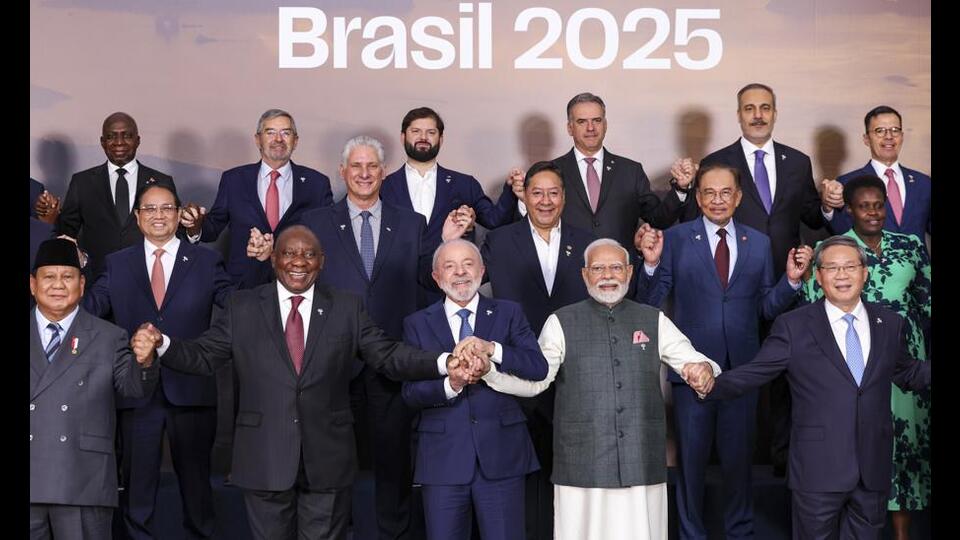
What is certain, however, is that even a declaration of intent on this front is almost sure to trigger US president Donald Trump’s ire: Trump has been becoming more unhinged in his conduct vis-à-vis other countries by the day. Trump’s reaction notwithstanding, how practical is the idea of a BRICS currency union? The grouping has a significant share of global GDP, and two of its members, China and India, are among the five largest economies in the world. Most BRICS countries also do significant trade with each other. All this would make such a currency union a promising initiative. However, any such common effort would also require significant cooperation between the central banks and governments of member countries, which is not something BRICS countries have a lot of experience doing. The last two decades show that the affinity between BRICS countries has tended to converge and diverge depending on where global geopolitics and economics are headed. The short point is that RBI’s idea is a promising one, but not something which will be easy to deliver. But, then, no significant departures from entrenched status quos are easy to pull off.


