
 E-Paper



Energy is set to shape the geopolitical order
Eight months of the Ukraine war have already upended the international order; the winter will seed more uncertainty.

 Prefer HTon Google


A confrontation is brewing between erstwhile allies Saudi Arabia and the United States (US) over a decision by OPEC+ to cut oil production by two million barrels a day from November. The move has enraged US President Joe Biden because it hurts the US geopolitically (nixing its plans to impose a price cap on Russian oil and gas) and domestically (with midterm elections in two months and $90 a barrel looking like the new floor for crude, inflation will be a sticky issue). It is also a moment of personal embarrassment for Mr Biden, who publicly reversed his position (and garnered criticism) by visiting Saudi Arabia and pushing crown prince Mohammed bin Salman to boost oil production, after having earlier called for a public boycott of the royal over the murder of columnist Jamal Khashoggi. Mr Biden warned his country will “take action” against Saudi Arabia for the move while national security adviser Jake Sullivan said the US was re-evaluating bilateral ties in the face of calls to stop arms supplies. But in an unprecedented public pushback, the West Asian nation rejected the characterisation of its stand and said the move to cut production was motivated by economic considerations only. This reflects not just the churn in the geopolitical order in the aftermath of the Ukraine conflict but also how energy battles are influencing the US’s role as the world’s pre-eminent superpower.
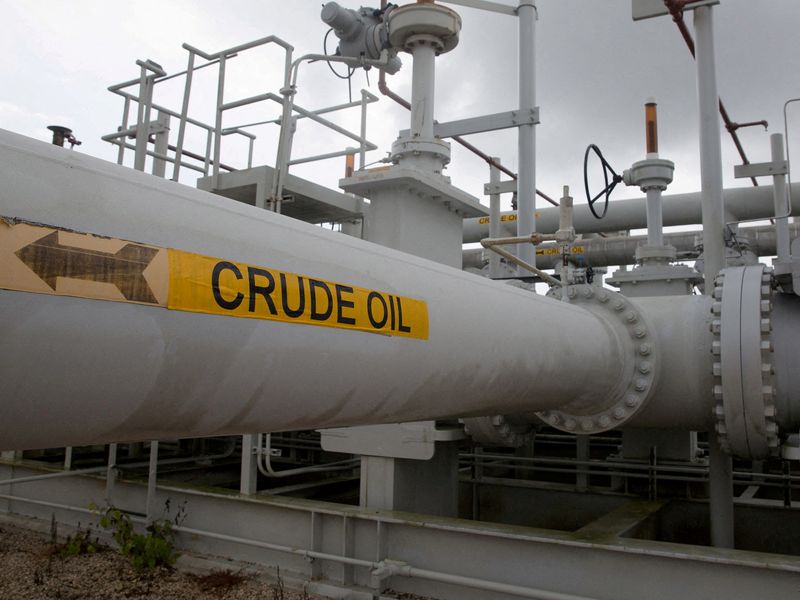
Energy is set to shape the geopolitical order, especially over the coming months as winter sets in. The challenge for the US will be to sustain the Ukrainian momentum on the battlefield and European enthusiasm given the squeeze on Russian energy supply. Eight months of the Ukraine war have already upended the international order; the winter will seed more uncertainty.


