
 E-Paper



Finally, the MCD stalemate ends
After the political bickering, the civic body of the Delhi must return the focus to governance and citizens

 Prefer HTon Google


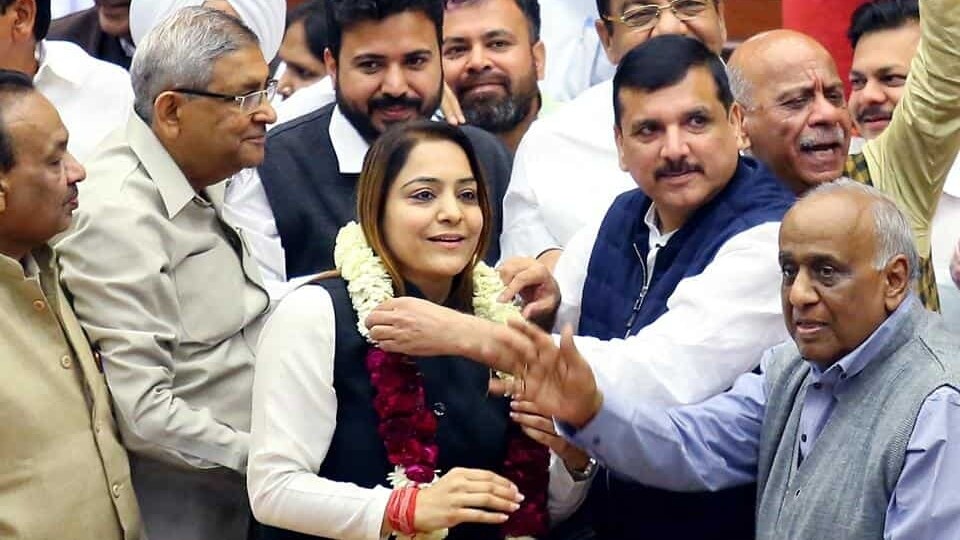
After a little more than two months and three failed attempts, Delhi finally elected a mayor on Wednesday. Aam Aadmi Party (AAP) candidate Shelly Oberoi won 150 votes in the electoral college, which comprises elected councillors, members of the Lok Sabha and Rajya Sabha from the Capital and 14 legislators from the state assembly, and her rival, Bharatiya Janata Party (BJP) nominee Rekha Gupta, won 116 in an exercise where votes appeared to have been cast along party lines, despite the absence of an anti-defection law. The largely uneventful election process came as a welcome contrast to the chaotic and shameful scenes that rocked the Municipal Corporation of Delhi (MCD) House on three occasions in January and February, with councillors even coming to physical blows on one occasion.
The resolution of the impasse is refreshing. But it is troubling that it took the highest court to reiterate the rules to push through what should have been a routine process. After all, it cannot be ignored that the MCD House failed to execute the basic functions of electing a mayor and deputy mayor for the first time in decades due to political intransigence and a muddled interpretation of the rules, before the Supreme Court cleared the air, barred nominated members from voting in the mayoral elections, and instructed authorities to hold the polls at the earliest. It indicates that routine matters of governance may get caught in a political storm, and cause inexorable delays before possible resolution by the courts. This is an unfortunate turn of events for Delhi’s citizens, and one that the city’s elected councillors should be careful to avoid.
The 70-day stalemate has cost Delhi and hurt the key everyday functions that the municipal corporation executes in the city. As a report in this newspaper noted, MCD has been under bureaucratic control since May last year. The protracted delay led to a situation where at least 24 major policy proposals are pending with the body, which includes the expansion of existing fleet of mechanical road sweepers, new waste-to-art theme parks, and extensions for health care workers. Previous terms of MCD were marked by controversies, allegations of scams and political bickering. The new mayor, deputy mayor and all councillors must ensure that the body shifts the focus back to governance, and concentrate on serving the 20 million citizens of the Capital, their principal constituents and priority.


