
 E-Paper



In politics, looking back to look ahead
The Pradhanmantri Sangrahalaya, built at central Delhi’s Teen Murti Bhavan, will be an ode to all previous PMs, with their memorabilia on display.

 Prefer HTon Google


Prime Minister (PM) Narendra Modi on Thursday inaugurated the Pradhanmantri Sangrahalaya, built at central Delhi’s Teen Murti Bhavan, as a tribute to the nation’s PMs. The museum’s 43 galleries are dedicated to the country’s 14 PMs with their memorabilia and personal possessions on display. State-of-the-art technology has been used to highlight the leaders’ journeys.
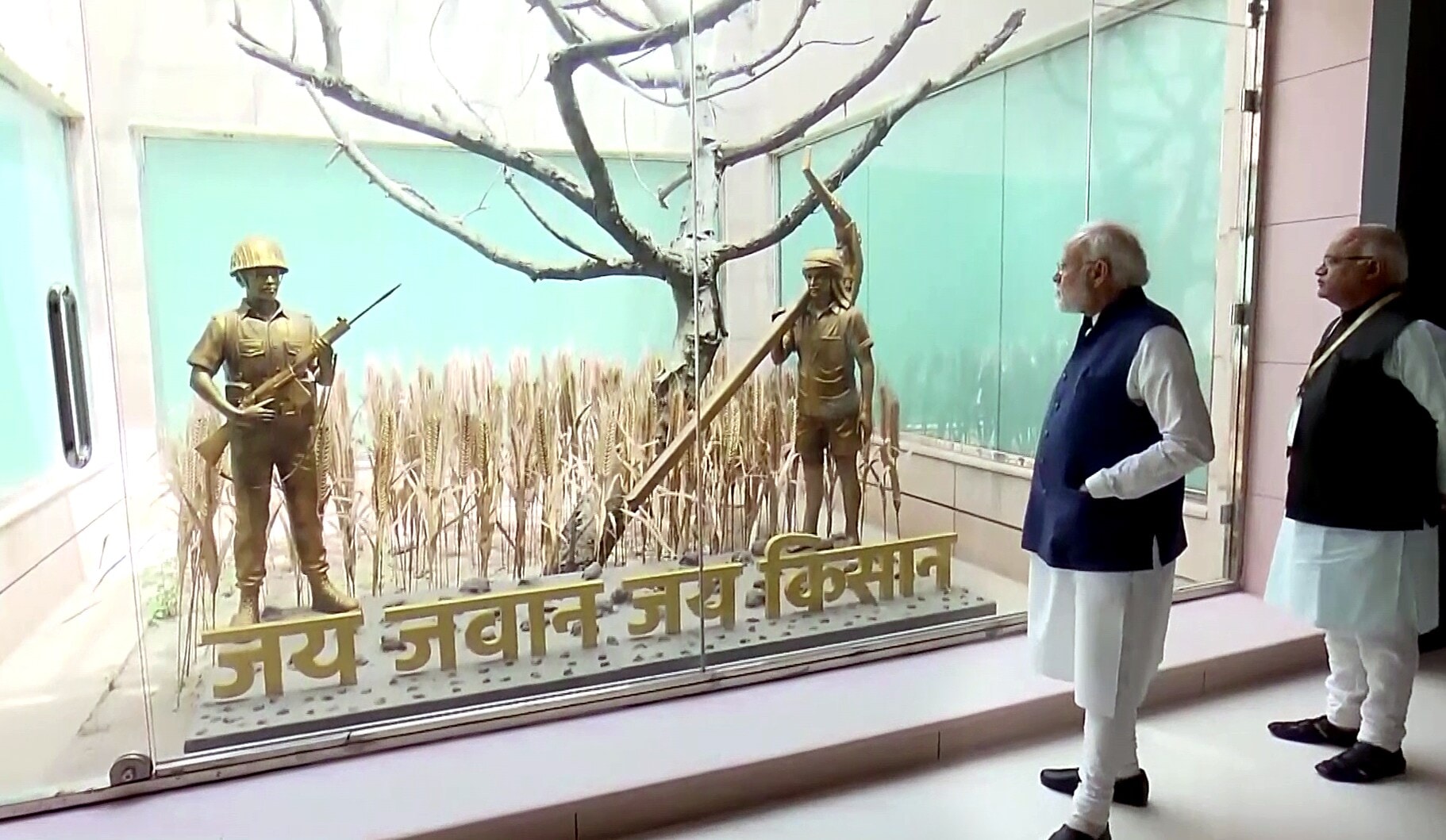
Flawed as it may be, Indian politics has been a vehicle of social change from the early days of Independence, standing in contrast to the experiences of many of South Asian nations, where the ruling elite, civil or military, has often thwarted democracy from sinking deeper roots. This is best exemplified in the diverse backgrounds of the leaders who have led this country — from lawyers, economists, and labour researchers to civil servants, farmers and engineers. Inaugurated on the day marking the birth anniversary of BR Ambedkar, a leader who never became PM, but articulated his deep ideological divergences with the PM of the day, Jawaharlal Nehru, the museum will hopefully give India’s citizens a chance to take an honest look at the lives and legacies of the PMs, divorced from political gatekeepers and enforced hagiographies.
One more aspect merits attention. In his speech, Mr Modi underlined how each of these leaders attempted to take India forward by confronting the issues of the day. Mature democracies build on achievements of the past, prefer a comprehensive appraisal of political legacies to mere name-calling, and avoid blaming past leaders for current problems. If the museum can facilitate this, it would have rendered a great service to Indian politics.


