
 E-Paper



Inflation worry for the economy
RBI focuses on growth, but will have to be nimble with liquidity to control inflation

 Prefer HTon Google


It was anticipated that the Reserve Bank of India (RBI)’s Monetary Policy Committee would keep its policy rate unchanged in Friday’s policy — and it has. It was also anticipated that the committee would change its stance from accommodative to neutral, indicating that it was aware of the real and growing threat of inflation — but it has not. Instead it seems to have adopted a new vocabulary in defining its stance — “focusing on withdrawal of accommodation”. That recent events — notably Russia’s invasion of Ukraine — and the consequent spike in commodity costs will have an economic cost (and not just in India) is a given. RBI’s latest estimate for GDP growth in India in 2022-23 is 7.2%, down from the 7.8% estimated in February. Even more worrying, though, is its inflation projection — an average of 5.7% in 2022-23, up from the 4.5% projected in February. Both estimates assume the average price of oil at $100 a barrel. “Inflation is now projected to be higher, and growth projected to be lower than assessment made in February,” said RBI governor Shaktikanta Das, underlining both the pace at which the external environment has changed, and the challenge facing the central bank.
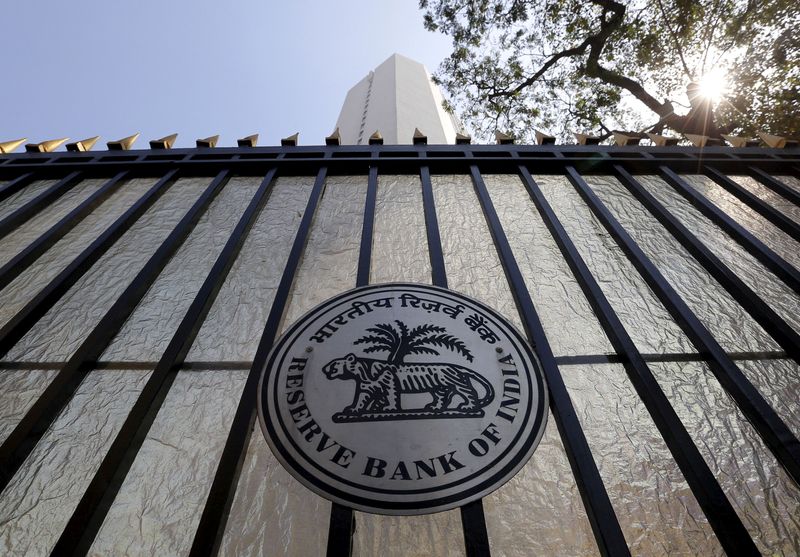
The unexpected downside risk to growth, and the consequent delay in the change in RBI’s stance from accommodative to neutral mean that interest rates will likely remain the same this calendar year — unless inflation has a nasty surprise in store. That, in turn, will mean RBI has to be nimble with liquidity management to control inflation even as it focuses on growth, which, as Das repeatedly indicated, is the primary focus. Improving consumer confidence could help the cause of consumption, and, as a result, growth — but the country can ill-afford any other jolt, external or internal, natural or man-made. That could push growth below 7%; worse, it could accentuate the K-shaped recovery currently underway in the economy, and that could mean significant social and political costs.
RBI’s Friday policy announcements also highlight the macroeconomic challenges facing the government. The war in Ukraine and spiralling commodity prices come at a time when the Indian economy has most likely surpassed pre-pandemic levels, but threaten to limit it to a lower-than-previously-estimated trajectory. The government may have to provide succour (in cash and kind) to both individuals and businesses even as it continues to do the heavy lifting in terms of capital spending. “The sky today maybe overcast with clouds but we will use all our energy and resources to let the sunlight illuminate India’s future,” Das said on Friday. And the government too, will have to do just that.


